The Irish Sweep is still accepting calls to answer questions and schedule any service needs. However, no on-site visits are currently being conducted pursuant to the government's stay in place order. Please feel free to contact us at 510.521.4088 to get answers to your questions or schedule a future appointment.

How Rain Affects a Chimney Without Cap

April showers bring May flowers, right? Well, they can also bring leaky chimneys! If you have chimney without cap, you’re in for a wet time. You’ll start seeing symptoms of leaks during spring and summer, and even chimneys that’ve never had problems before can leak.

YOUR CHIMNEY WITHOUT CAP

Chimneys are complex structures and are always exposed to the weather. They aren’t designed to go with chimney without cap, but not everyone knows this. Because chimneys are always exposed, rain water, leaves, feathers, and all sorts of things can fall into them and build up or cause damage.

The entrance of rain into your chimney may not sound very dramatic to you. But when the masonry and other components in your chimney degrade and lose stability, or lose fire proofness, it becomes dramatic. Wetness can cause spalling and crumbling brickwork, and things like leaves that fall into your chimney are a fire hazard.

WHY GET A CHIMNEY CAP?

The top reason is to prevent damage to your home. To prevent water coming in, part of a chimney cap acts like an umbrella, and a screen section prevents the debris from falling in or sparks from floating out.

Don’t worry about a chimney cap affecting your draft. If your chimney cap has sufficient clearance and you keep it clean, it will either not affect your chimney draft or improve it. When wind blows, the convex shape of the cap creates a slight vacuum at the top of the flue so your chimney should draw better with the cap in place. Some chimney caps are even specifically designed to improve chimney draft!

IF YOU SEE WATER COMING IN, IT COULD ALSO BE DUE TO: FLASHING

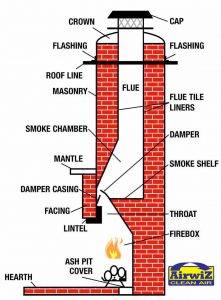
If your chimney flashing starts to wear down, water can get in. Flashing is a tight strip inside your chimney that seals the seam between your roof and chimney to prevent water coming in. If the flashing is damaged or loses its seal due to age or wear and tear, water will get through the gaps. This can in turn water damage to the roof, chimney, ceilings and walls. Metal flashings are preferred over mastic flashings.

INCORRECT CHIMNEY CAP

Water can get in if the chimney cap doesn’t fit well. Chimney without cap that fits, the fireplace and flue are completely exposed to water from the rain. An ill-fitting cap is barely better than no cap at all.

MASONRY DAMAGE

Because your chimney is directly exposed to rain, the masonry components will deteriorate over time. Water can cause bricks to spall and crack (letting in water), in addition to making your chimney look unkempt.

You may know your chimney is leaking because you see visible water in the flue or fireplace. But because of the complexity and size of many chimney systems, leaks can easily go undetected for a while. You might not even know there’s water damage until significant damage has already been done.

To prevent chimney leaks, it’s best if you call in a professional for annual Irish Sweep chimney sweepings and inspections. We’ll be able to detect any damage so that you can get it fixed before the chimney starts to leak!

Flue, What Is It?

Flue:  Most people say to me, “Will you close the flue once you complete the cleaning process?”  What they are really asking me to do is to close the damper.

So what is the definition of the word flue?  The Chimney Safety Institute of America defines this word as, “The passage in a chimney for conveying flue gases to the outside atmosphere.”

And Webster’s Dictionary defines this word as, “A channel or pipe in a chimney for carrying flame and smoke to the outer air.”

The inside of your chimney may contain one or more flues.  It depends upon the number of fireplaces or gas appliances are in the home.

SPOT THESE 4 SIGNS YOU NEED CHIMNEY MASONRY REPAIR

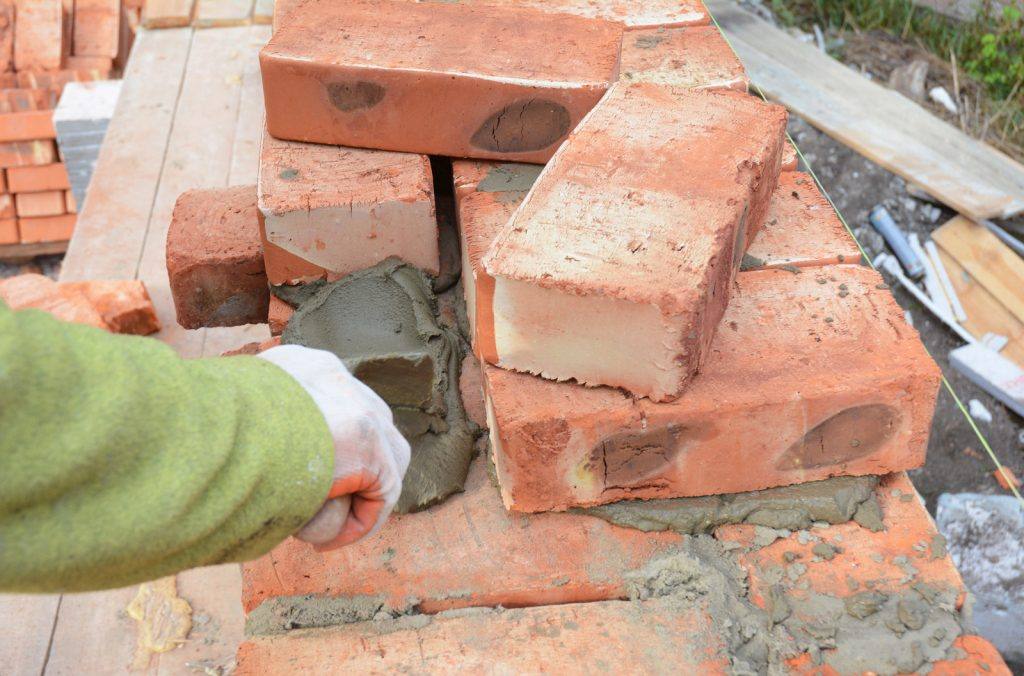
Chimney masonry repair helps to correct damage and restore the structure to the bricks and mortar of your best chimney. While masonry repair is an essential task to keep your chimney safe, many homeowners don’t know how to recognize the signs that a chimney masonry repair is due. Here we look at 4 key signs that you need a chimney masonry repair.

Continue reading “SPOT THESE 4 SIGNS YOU NEED CHIMNEY MASONRY REPAIR”

CHIMNEY REPAIRS: 7 SIGNS TO LOOK FOR

Chimneys keep you warm and can provide a home with a beautiful focal point. However, they can hold hidden dangers and it’s important to regularly check for these signs. Failure to do so can lead to very expensive, dangerous, and preventable conditions.

Continue reading “CHIMNEY REPAIRS: 7 SIGNS TO LOOK FOR”

THE HIDDEN THREAT OF CHIMNEY FIRES

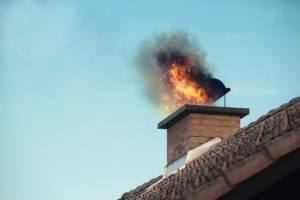
Most of us know the beauty of fires through the ones we see in our fireplaces. As we’ve seen wild fires burn throughout California, many of us have been reminded of the real dangers of fire.  The fire within a fireplace gives your warmth and comfort, and the chimney carries the gases from the fireplace and out from its top, providing you with safety in your home.

Continue reading “THE HIDDEN THREAT OF CHIMNEY FIRES”

DO YOU NEED CHIMNEY WATERPROOFING?

While this winter has not been too wet, many are predicting some rain over the next couple months. We don’t anticipate it reaching last year’s levels, but it’s still important that you waterproof your chimney. Water can seep into a chimney and leaks may form. But how does this potentially expensive problem even happen?

Continue reading “DO YOU NEED CHIMNEY WATERPROOFING?”

© Copyrights 2026 The Irish Sweep All Rights Reserved.