The Irish Sweep is still accepting calls to answer questions and schedule any service needs. However, no on-site visits are currently being conducted pursuant to the government's stay in place order. Please feel free to contact us at 510.521.4088 to get answers to your questions or schedule a future appointment.

Bay Area Chimney Services Before El Niño Rain Arrives

The Bay Area may be in for a wet winter, and homeowners are already paying attention. Forecasts point to a powerful El Niño pattern during the coming season, though rainfall totals can still change. Bay Area chimney services can help you get ahead before wet weather makes appointments harder to schedule.

Why Early Planning Matters

When storms arrive, chimneys often reveal problems that stayed hidden through dry months. A small crack in masonry can begin taking in water during repeated rainfall. A worn chimney crown can also allow moisture into places where it does not belong.

Rain has a way of finding the smallest opening around a chimney. It can soak into damaged mortar and leave stains near the fireplace. By the time an issue becomes visible indoors, moisture may have already caused trouble outside.

We are encouraging homeowners to think ahead before the busy season begins. A little planning now can make the next few months feel less stressful. Nobody wants to discover a chimney concern during a week of nonstop rain.

The early bird gets the worm, especially when wet weather fills up service calendars. Booking ahead gives you more options and more time to address concerns. It also helps avoid the scramble that comes when many homeowners call at once.

Bay Area Chimney Services And Wet Weather

Chimneys are exposed to the weather from every direction. Rain falls on the crown, wind pushes moisture into joints, and cold damp air affects masonry. Those conditions can bring existing weaknesses into sharper focus.

Bay Area chimney services help homeowners understand the condition of their chimney before storms arrive. We inspect the areas that need attention and explain what we find. If a chimney needs work, getting started early gives you more breathing room.

Strong rain can make some outdoor work harder to complete on schedule. Roof access becomes more limited when surfaces are wet and slippery. Masonry repairs may also need dry conditions for materials to cure as intended.

That does not mean homeowners should panic every time rain appears on the forecast. It means the time to look at your chimney is before the weather turns. A planned visit is much easier than a rushed call during a storm.

You can learn more about our available chimney services and how we help homeowners care for their systems. We focus on practical guidance and service that makes sense for your home.

What Heavy Rain Can Reveal

Heavy rain puts a chimney through a real-world test. A chimney that appears fine on a clear day may show problems after several wet weeks. Water can expose cracks, worn crowns, or mortar joints that have started to weaken.

One common sign is a damp odor near the fireplace after rain. Another is a brown stain on the ceiling or wall near the chimney. These signs can feel alarming, though they offer useful clues about where moisture may be traveling.

Brick and mortar absorb water when protective surfaces wear down. Once moisture enters, it can contribute to crumbling mortar or flaking brick faces. These problems are easier to manage before they become larger repairs.

We also see chimney caps that shift after wind and heavy weather. A cap may look fine from the ground while allowing rain or debris into the flue. Regular attention helps identify those concerns before they interrupt fireplace use later.

Bay Area chimney services are especially useful when homeowners have not looked at their chimney in years. The system may have been quiet, but weather and time never take a day off. A careful inspection brings the condition into focus.

Storm Season Does Not Wait

The winter forecast can change, and no one can promise exactly how much rain will fall. Still, current reports show strong confidence in a very strong El Niño developing this fall and winter. That pattern can increase the odds of stormy weather across California.latimes+1

For homeowners, that means preparation makes more sense than waiting for a leak. Waiting until rain is coming down hard can limit the work that can happen safely. It can also mean longer waits for appointments during a busy period.

Our schedule often becomes packed when storms hit the Bay Area. Homeowners call after they spot leaks, smell dampness, or notice crumbling masonry. We do our best to help, but wet conditions can cause delays in our service.

Some chimney projects require dry weather for safe and effective completion. Rain can delay roof-related access, masonry work, and exterior repairs around the chimney. Those delays are frustrating, though they are sometimes necessary to protect the quality of the work.

Planning your service before December can give you a better chance of getting ahead. It also gives us time to review findings and discuss needed next steps. That is a far better position than racing against the next storm.

A Practical Look At Chimney Readiness

A chimney does not need to look dramatic to deserve attention. Small shifts in mortar, minor cracks, and damp odors can all be worth discussing. These details can become more noticeable when rain arrives in steady waves.

During a visit, we look at the chimney’s visible condition and the fireplace system. We check for signs of moisture exposure and wear around important components. Then we explain what looks healthy and what deserves follow-up.

Bay Area chimney services can give homeowners useful context before bad weather complicates the picture. You should know what is happening with your chimney without being buried in technical language. We keep the conversation straightforward because a home repair is stressful enough already.

If we find work that should be addressed, we explain the issue in plain terms. You can then plan based on your priorities and the condition of the chimney. No smoke and mirrors, no confusing runaround.

Our team has worked with Bay Area homeowners through many wet seasons. You can learn more about our history and approach on our about us page. We believe experience matters when weather puts extra pressure on a home.

Common Signs To Watch For

You do not need to climb onto your roof to notice a possible chimney concern. Paying attention from inside and around your home can be enough. If something feels different after rain, it is worth making a note.

Watch for these signs as storm season approaches:

  • New water marks near walls or ceilings by the fireplace
  • A musty odor that appears after rainy weather
  • Cracked mortar or loose brick on the chimney exterior
  • Rust stains around the fireplace or chimney area
  • Pieces of tile or masonry appearing inside the firebox
  • A white powdery substance in the firebox, hearth and walls near the fireplace, it is called efflorescence.  It is not dangerous, it is just a sign of moisture that has dried.

None of these signs should be brushed aside as a harmless quirk. A chimney is meant to protect the home while venting smoke safely. Moisture can compromise that protection if it goes unchecked.

Bay Area chimney services can help sort through the cause of a concern. Water can enter through several areas, so it is important to inspect rather than assume. We look at the chimney condition and guide you toward the right next step.

Why Scheduling Early Helps

Calling before the rainy season gives you more control over the process. You have time to schedule a visit without competing with a wave of storm-related calls. You also have room to think through recommendations before weather creates urgency.

When rain starts falling hard, our service schedule can change quickly. Exterior conditions may delay some appointments or limit the work we can safely perform. Those shifts are part of working with homes exposed to real Bay Area weather.

Bay Area chimney services are easier to schedule before the calendar gets crowded. Early appointments help us identify concerns when weather conditions are more cooperative. That can make a big difference if repairs are needed before fireplace season.

Homeowners often tell us they wished they had called sooner after dealing with a leak. That feeling is understandable, because home issues do not send calendar invites. Still, a little early attention can save a great deal of frustration.

You can read experiences from other local homeowners on our testimonials page. Their stories offer a look at how we communicate and work inside real homes.

Bay Area Chimney Services Before The Rush

A wet season can make chimney concerns feel more urgent than they did in summer. That is why we recommend getting on the schedule before the phone starts ringing nonstop. We want to help homeowners prepare while there is still time to plan.

Bay Area chimney services are about more than reacting to a visible problem. They are about understanding your chimney’s condition before rain puts weak spots under pressure. That knowledge helps you make decisions without feeling rushed.

We know homeowners have busy lives and long lists of home projects. The chimney can sit quietly in the background until something goes wrong. A quick check now can bring peace of mind before the wetter months arrive.

If the forecast produces a season with repeated storms, service delays may become unavoidable. Our crew works hard to help each customer, but safety and weather conditions affect the timing. Booking early gives you the best opportunity to get on our calendar before demand climbs.

FAQs

Why Should I Schedule Chimney Service Before Winter?
Scheduling before winter gives us more room to assess your chimney in favorable weather. It also helps you avoid the heavier demand that often follows storms.
Can Heavy Rain Damage A Chimney?
+
Heavy rain can expose cracks, worn mortar, and damaged chimney crowns. Repeated moisture can also cause staining and deterioration around the chimney.
Will El Niño Guarantee Heavy Rain In The Bay Area?
+
No forecast can guarantee a specific local rainfall total for every neighborhood. A strong El Niño can influence weather patterns, but storms still vary.
What Happens If Rain Delays My Appointment?
+
We will communicate about weather-related changes that affect safe service conditions. Some exterior work must wait until access and materials can be handled properly.
What Signs Should I Mention When I Call?
+
Tell us about water stains, damp odors, loose masonry, or smoke concerns. Details about when the issue appears can help us understand the situation.
Can You Help If I Have Not Used My Fireplace Recently?
+
Yes, an unused fireplace can still have chimney concerns caused by weather or age. We can assess the system and explain what we find.


Beat The Rain To The Calendar

The early bird gets the worm, and early scheduling gives your chimney the attention it deserves. Contact The Irish Sweep through our contact page or call 510-521-4088 before storm-season demand causes major service delays.

Cracked Mortar Joints? Why Chimney Repointing Shouldn’t Wait

At first glance, a few cracks between the bricks of your chimney might not seem like a big deal. But those small gaps in the mortar can quickly turn into major structural problems which could lead to water leaks, crumbling brickwork, and costly repairs if left unaddressed.

That’s where chimney repointing comes in.

Repointing is the process of replacing damaged or deteriorating mortar joints to restore your chimney’s strength and stability. It’s one of the most effective ways to extend the life of your chimney and protect your home from moisture, structural issues, and even fire risks. But there’s more to chimney repointing that we’ll explain in this post. Including, what chimney repointing involves, how to recognize when your mortar joints are failing, and why delaying repairs can lead to far bigger headaches down the road. 


What Is Chimney Repointing?

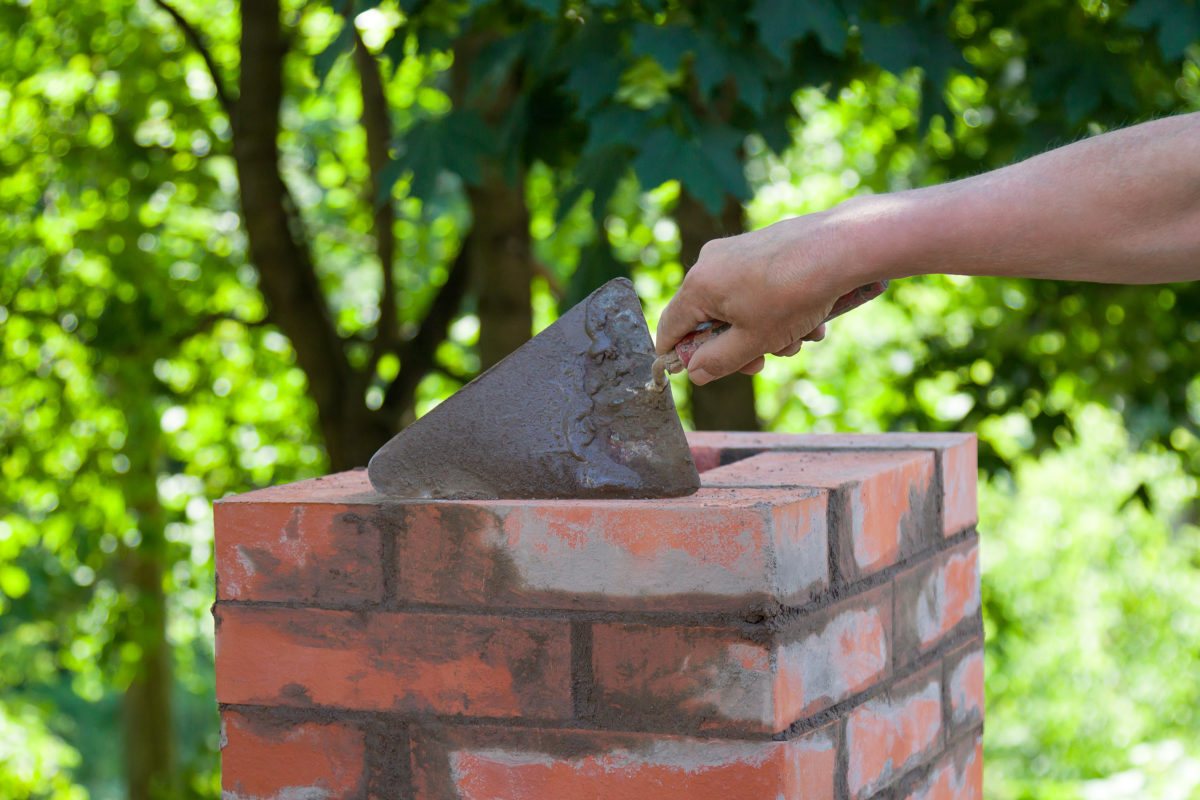
Chimney repointing is the process of removing old, damaged, or deteriorated mortar from the joints between your chimney bricks and replacing it with fresh, structurally sound mortar. Over time, mortar wears down due to exposure to weather, moisture, and temperature fluctuations. Especially in older Bay Area homes where chimneys may have gone decades without maintenance.

While the bricks themselves often remain strong, the mortar is designed to be softer so it can absorb movement and environmental stress. Unfortunately, that also makes it the first part of your chimney to break down. When the mortar fails, the structural integrity of your chimney is compromised and that’s when repointing becomes essential.

Repointing doesn’t just improve the look of your chimney; it reinforces the entire structure, prevents water from seeping in, and helps your chimney function as it should. It’s a precision process that must be done correctly using the right type of mortar to match the original material.


How to Spot Mortar Joint Deterioration

Catching mortar problems early is the key to avoiding major repairs, but not all damage is immediately obvious. Fortunately, there are several warning signs you can look for that suggest chimney repointing may be needed.

Common signs of deteriorating mortar joints include:

  • Cracks or Gaps Between Bricks: Visible separation between the bricks, even small hairline cracks, may indicate the mortar is failing. 
  • Loose or Missing Mortar: If you can flake or crumble mortar with your fingers, it’s breaking down and needs attention. 
  • Mortar Dust or Debris: Small piles of sandy debris around the base of your chimney are a sign that mortar is eroding. 
  • Leaning or Shifting Bricks: Misaligned or bulging bricks may mean the underlying mortar has lost its structural grip. 
  • Water Stains Inside the Home: Moisture seepage near the chimney on ceilings or walls could be coming through compromised mortar joints. 
  • Vegetation or Moss Growth: Plant life growing in the mortar is a red flag—moisture has penetrated the structure. 

If you see any of these signs, or if your chimney hasn’t been inspected in several years, it’s time to schedule a professional chimney evaluation. A trained expert can assess the condition of your mortar and recommend repointing before further damage occurs.


The Chimney Repointing Process (What to Expect)

Knowing how chimney repointing works can help homeowners feel more confident about moving forward with repairs. When done by a qualified professional, repointing is a precise and effective process that restores both the strength and appearance of your chimney.

Here’s a Step-by-Step Overview of the Process:

  1. Inspection and Assessment
    First, we will thoroughly inspect your chimney to identify damaged mortar, assess the extent of deterioration, and determine if repointing is the best solution. 
  2. Removal of Damaged Mortar
    Using specialized tools, our technician carefully removes the deteriorated mortar from between the bricks, typically to a uniform depth of about ¾ inch, without damaging the surrounding masonry. 
  3. Mixing and Matching New Mortar
    The replacement mortar is blended to match the original in both composition and color as closely as possible. This ensures the repair is structurally sound and visually consistent with the rest of the chimney. 
  4. Application of New Mortar
    The fresh mortar is tightly packed into the joints, restoring the bond between bricks and sealing out moisture. Precision is key here to ensure a watertight, long-lasting result. 
  5. Finishing and Clean-Up
    Once cured, the repointed joints are cleaned and shaped for a uniform appearance. The work area is cleared of all debris, leaving your chimney looking and functioning like new. 

How Long Does It Take?

Most standard repointing jobs are completed in one to two days, depending on the size and condition of the chimney. Minimal disruption to your home is expected, especially when handled by an experienced team.

Chimney repointing is a cost-effective way to protect your home from water intrusion, preserve your chimney’s structural integrity, and improve its visual appeal, all without the need for full reconstruction.


Don’t Wait on Chimney Repointing; Protect Your Home Today

The bottom line is that cracked mortar joints are more than just a cosmetic issue; they’re a sign that your chimney’s structural integrity may be at risk. Delaying chimney repointing can lead to serious problems, from water damage and brick failure to costly chimney rebuilds. The good news? When caught early, repointing is a highly effective and affordable way to extend the life of your chimney and maintain the safety of your fireplace system.

At The Irish Sweep, we specialize in identifying and repairing mortar joint damage with care, precision, and expert craftsmanship. Whether you’ve noticed visible cracks or it’s just been a while since your last chimney inspection, now is the time to act.

Contact us today at 510-521-4088 or email us to schedule a chimney evaluation or repointing consultation. Your chimney deserves professional attention before small problems become major repairs.

Chimney Masonry Repair 101 (Basics You Need to Know)

Repairs and maintenance are unavoidable in any part of a home. Just like most structures and appliances, this is also true for chimneys. All fireplaces and chimneys will eventually have problems that necessitate repair or maintenance – it’s an inevitability regardless of age or design.

This blog post will discuss the basics of chimney masonry repair. We’ll cover the different materials that can make up a chimney, common problems with chimneys and how to repair them, and tips for keeping your chimney in good shape year-round!

Why Is Chimney Maintenance Important?

The most common causes of home fires include smoking, cooking, and electrical malfunction. While you can control some more frequent home fire causes, others like electrical malfunctions or faulty masonry chimneys are harder to pin down. Did you know:

  • More than 61 chimney fires occur every day in the United States
  • The #1 most common cause of chimney fires is a failure to have them regularly cleaned
  • The 2nd most common cause of chimney fires is burning unseasoned wet wood
  • Chimney fires cost homeowners an estimated $125 million in damages every year

Chimney fires are preventable. While it’s impossible to anticipate every disaster, you can take steps to minimize the risk of a chimney fire in your home.

Masonry Chimneys 101

Bricks and mortar, concrete, block, stone, flue tile, cast iron, and steel are just a few of the materials used to construct a masonry chimney. If not correctly installed or maintained, any of these materials can be vulnerable to rainwater and environmental elements. Mortar, the substance that bonds together the masonry components in their chimney, is water soluble. This is why keeping your structures dry and preventing water intrusion is so important!

While properly built and well-constructed masonry chimneys can endure a long time (consider the Roman Arches, which still exist today), this does not imply that all masonry chimneys are created equal. Inferior materials or craftsmanship can lead to chimney deterioration and, in some cases, a structurally unsound chimney. In cases like these, you will need reliable chimney masonry repair services.

Common Chimney Masonry Repair Problems

Don’t be intimidated by chimney masonry repair! The most common problems with masonry chimneys include:

  1. Chimney crown cracks
  2. Water penetration
  3. Leaning chimney
  4. Damaged or missing mortar joints
  5. Chimney deterioration

These problems can be caused by various factors, including water damage, excessive heat exposure, poor construction, and more. If left unaddressed, these problems can lead to even more significant issues like chimney fires or collapse.

Chimney Masonry Repair

Chimney Crown Cracks

A chimney crown is the cement cap that sits atop the chimney. Its job is to prevent moisture from seeping into the chimney’s masonry where it is most vulnerable to the elements: at the top.

However, chimney crowns can crack over time due to age, weathering, or settling. Cracks in the chimney crown can allow water to seep into the chimney structure, leading to further deterioration. In climates reaching freezing temperatures, water entering the chimney can freeze and expand, causing the crown to crack even further.

What to Do About Crown Cracks?

The best way to repair chimney crown cracks is to have a professional chimney sweep or mason take a look at them. They will be able to determine the extent of the damage and recommend the best course of action. In some cases, the chimney crown may need to be rebuilt entirely.

Water Penetration

Another common problem with masonry chimneys is water penetration. Water can enter the chimney through cracks in the chimney crown, flue, or mortar joints. Once inside, the water can cause problems like rusting metal components and deteriorating masonry.

When water mixes with creosote – a tarlike substance that builds up on the chimney walls – it creates a corrosive acid that eats away at the chimney’s masonry. This can lead to even more severe problems like chimney collapse.

What to Do About Water Penetration?

Keep a regular chimney checkup schedule and ensure there is no place for water to seep into any section of the chimney or fireplace. If you find water leaks, have a professional chimney sweep or mason look at it as soon as possible. They will be able to determine the source of the leak and make recommendations for repairs.

Leaning Chimney

A leaning chimney is a cause for concern. It can be caused by many factors, including foundation settling, water damage, or poor construction. A leaning chimney can put your entire home at risk of chimney collapse.

What to Do About a Leaning Chimney?

If your chimney is leaning, it is structurally unsafe. It’s essential to have a professional chimney sweep or mason look at it as soon as possible. They will be able to determine the cause of the problem and make recommendations for repairs. In some cases, the chimney may need to be rebuilt entirely.

Damaged or Missing Mortar Joints

Mortar joints are the spaces between bricks, stones or clay flue liners in a masonry chimney. They are filled with mortar, which acts as glue to hold the chimney together. Over time, the mortar can become cracked, crumbled, or missing. This can leave the chimney vulnerable to water damage and collapse.

What to Do About Damaged or Missing Mortar Joints?

One of the most common repairs needed for a chimney is mortar replacement, also called tuckpointing. Tuckpointing joints back in are usually not complicated. Occasionally, extensive damage demands more comprehensive repairs, which may include reconstructing part or all of the chimney, but tuckpointing is a satisfactory repair for minor damages. As for all major repairs, it’s best to have a licensed chimney professional take a look.

Chimney Deterioration

Like any other structure, a chimney will eventually show wear and tear. Flue liner and smoke chamber damage, loosened brickwork, water damage, and mold are all common symptoms of chimney deterioration.

What to Do About Chimney Deterioration?

The best way to prevent chimney deterioration is to opt for an annual inspection by a certified chimney professional. Their specialized tools and knowledge will help them spot any potential problems so they can be fixed before they cause further damage. You can avoid serious problems down the road by being proactive and getting annual chimney inspections.

Easy Chimney Health Tips

Maintaining a chimney is much preferable to fixing a broken chimney. Here are a few easy tips to help you keep your chimney in good shape:

  • Have your chimney inspected and cleaned yearly by a certified chimney professional.
  • Repair any cracks or damage as soon as possible.
  • Make sure there is no place for water to seep into any section of the chimney.
  • Keep trees and bushes trimmed away from the chimney.
  • Never burn trash or wet wood in your fireplace.

These simple tips can help keep your chimney healthy and functioning correctly for years to come. If you have any concerns about your chimney, be sure to contact a professional chimney sweep or mason.

As you can see, you may need a variety of chimney masonry repair at some point. It’s essential to have a regular chimney checkup schedule to catch any problems early on. And if you do need repairs, it’s crucial to have a professional chimney sweep or mason take a look as soon as possible. With their help, you can keep your chimney healthy and functioning optimally for as long as possible!

Related Reading: Surprising Benefits of Chimney Sweep Services You Might Not Know About

Need Chimney Masonry Repair Help?

At The Irish Sweep, we always adhere to the highest safety standards. We are licensed and insured Bay Area chimney cleaners professionals who have been serving the area since 1982. If you need a chimney sweep, dryer vent cleaning, chimney masonry repair, or other home services, call us today! Schedule our chimney sweep services today to enjoy a safe fireplace and chimney all year long.

SPOT THESE 4 SIGNS YOU NEED CHIMNEY MASONRY REPAIR

Chimney masonry repair helps to correct damage and restore the structure to the bricks and mortar of your best chimney. While masonry repair is an essential task to keep your chimney safe, many homeowners don’t know how to recognize the signs that a chimney masonry repair is due. Here we look at 4 key signs that you need a chimney masonry repair.

Continue reading “SPOT THESE 4 SIGNS YOU NEED CHIMNEY MASONRY REPAIR”

© Copyrights 2026 The Irish Sweep All Rights Reserved.