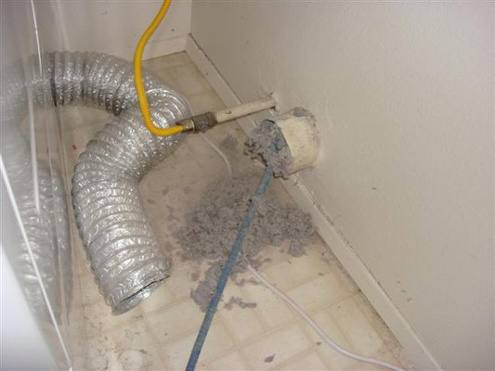
*”Very few people realize the danger of clothes dryer fires. However, according to the U.S. Consumer Product Safety Commission, there are an estimated annual 15,500 fires, 10 deaths and 10 injuries due to clothes dryer fires. Several hundred people a year are also subjected to carbon monoxide poisoning from improper lafayette dryer vents setups. The financial costs come to nearly $100,000,000 per year. In some cases faulty appliances are to blame,
but many fires can be prevented with proper dryer venting.” If you notice that your clothes require a much longer drying time, maintenance of the dryer exhaust system is imperative.
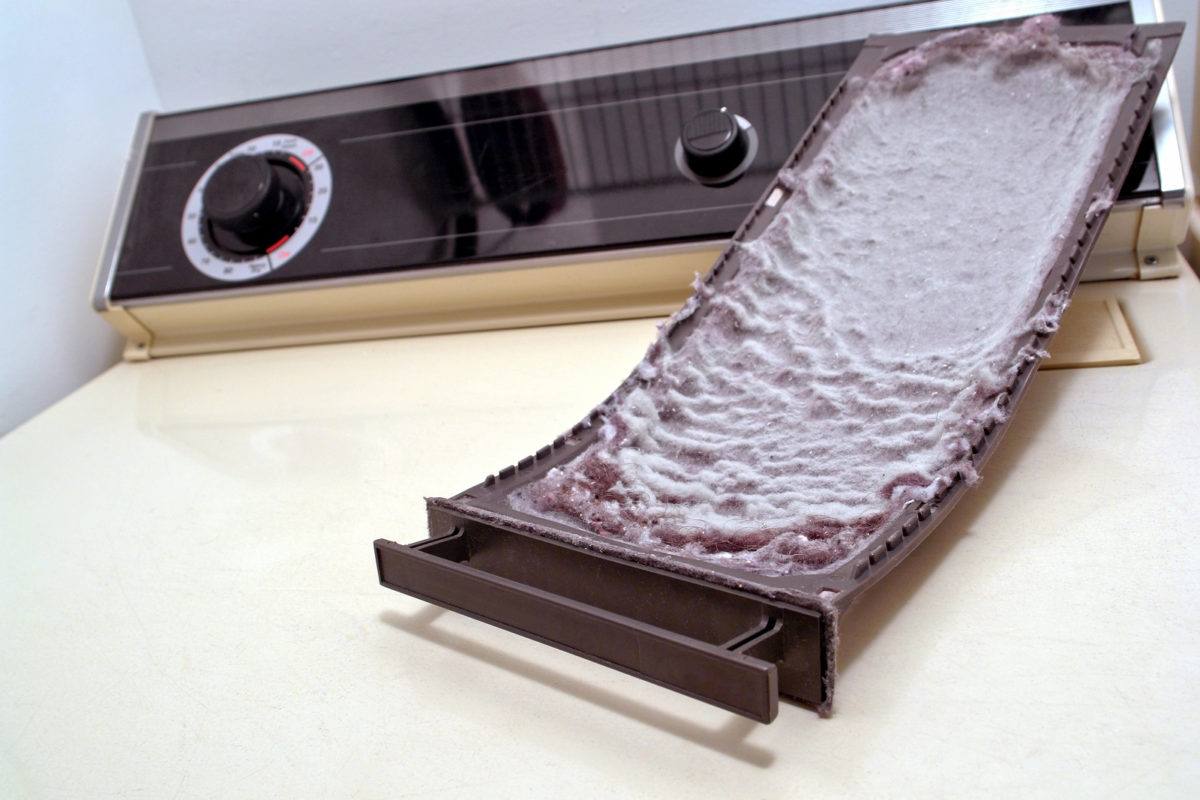
Dryer fires occur when the lint accumulation and reduced airflow feed on each other to provide the condition that ignites a fire. Most people don’t realize lint is highly combustible.
Once upon a time, dryers were always located in the basement of a home but today people have realized their ability to install a dryer closer to the dirty clothes source which is in the bedroom area of the home. Often that remodel will put the dry between interior walls of the home instead of directly venting through an exterior wall and the venting material is installed in longer runs which means the dryer or dryer vent parts has to work harder to push the products of combustion farther. The end results in a greater accumulation of lint, that highly combustible material.
It is important the lint is removed from the lint trap after every load that is dried. Even with that good behavior lint can still wander into your appliance. In our experience, lint screens located near the back of the dryer have less internal build up of lint than those with screens near the front door of the dryer. We do our best to clean as much of that as possible but sometimes it is necessary to call upon the assistance of a dryer repair company that is qualified to disassemble the dryer and access the interior surfaces that collect lint.
If you are undertaking a remodeling project of this nature, try to make the exhaust run as short as possible, straighter is always better and avoid the use of too many elbows which restrict the flow.
Use only 26 gauge venting material and avoid flexible connectors that are constructed of flammable material. Unfortunately, we see these flammable products sold in every local hardware store.
When pushing the dryer into position take care not to push the appliance so far back that it crushes the venting material. If it is time to purchase a new dryer, measure the existing space and be certain not to purchase an appliance that is too deep and will compromise the vent connector. If you notice a lot of “dust bunnies” in your laundry room, it could be because the venting connector has been crushed or has holes.
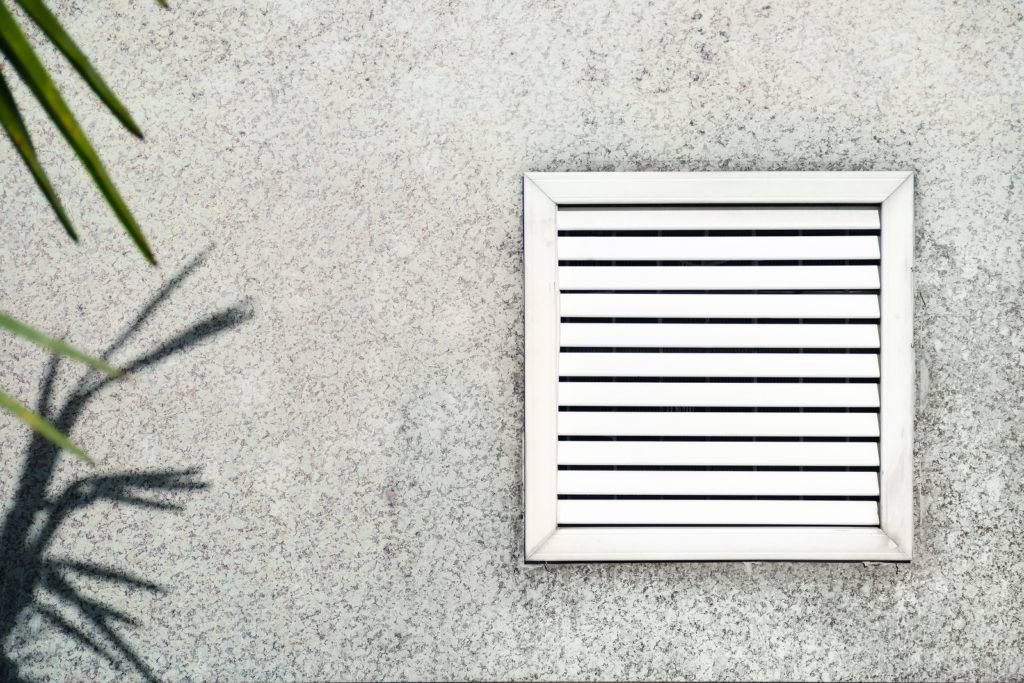
The dryer duct needs to vent to the outside atmosphere and not into an attic or crawlspace under the house.
Never use screws to put the venting material together.
For safety, never let your dryer vents run while you are asleep or out of the house and remember to read the manufacturer’s instructions regarding the safe use of their product and install as directed.
Need an appliance specialist? We have a great referral for you whom we trust with our very own appliances: Todd Anderson, Anderson Repair Services, 510-301-0223
*The source for this information is from the U.S. Consumer Product Safety Commission.