
The Irish Sweep is still accepting calls to answer questions and schedule any service needs. However, no on-site visits are currently being conducted pursuant to the government's stay in place order. Please feel free to contact us at 510.521.4088 to get answers to your questions or schedule a future appointment.

6 Signs You Need a Chimney Crown Repair or Replacement

How do you know if you need chimney crown repair? Read on to find out. 

Nothing quite compares to the warm and cozy feeling of sitting by a crackling fire. But, like all good things, the beloved fireplace and chimney require regular maintenance, particularly the often-overlooked chimney crown.

The chimney crown, that concrete or cement cover at the top of a chimney, has an essential job — shielding the chimney and its interior components from weather damage. But what happens when this protective barrier starts to fail? 🤔

Here are the telltale signs that a chimney crown may need some TLC or, in some cases, a complete replacement.

Sign 1: Visible Cracks 🕸️

Cracks are the easiest and most common indication of chimney crown damage. Even the tiniest fissures can let in water, leading to more significant issues down the line, such as spalling (more on that later). If you see cracks, it’s time to call a professional.

It’s vital to conduct a thorough check for cracks in these areas:

1️⃣ Chimney Crown: The top of the chimney is the most exposed area and often the first to show signs of wear and tear.

2️⃣ Chimney Flue: Inspect the liner of the chimney. Cracks here can lead to dangerous situations, including fires and carbon monoxide leaks.

3️⃣ Chimney Bricks and Mortar: The bricks and mortar that make up the chimney can also develop cracks, especially in the joints.

4️⃣ Chimney Flashing: This thin piece of metal that connects the chimney to the roof can also crack, leading to leaks.

5️⃣ Chimney Shoulder: The wider base of the chimney, often made of brick or stone, is another spot to check for damage.

Remember, a crack may appear insignificant at first, but can quickly become a gateway for more substantial damage if left alone.

Sign 2: Water Leaks 💦

If you spot water or moisture in the fireplace or around the chimney, it’s a pretty sure bet that something’s wrong up top and you should start thinking to have your chimney crown repair. This moisture could indicate a failing chimney crown, allowing water to seep into the home, causing structural damage and even mold growth.

A leaky chimney crown could lead to a cascade of complications. Apart from the obvious water damage, which can cause substantial structural issues over time, there’s also the risk of mold growth. Mold, apart from being unsightly and potentially causing unpleasant odors, can pose a significant health risk to the residents of the home. Exposure to mold spores can trigger allergies and cause respiratory problems, among other health issues.

Moreover, water leaks can exacerbate the wear and tear on other parts of the chimney, accelerating the deterioration of bricks, mortar, and metal components.

Therefore, spotting water or moisture isn’t just a sign that you might need a chimney crown repair or replacement—it’s a warning that more significant problems could be on the horizon if the issue isn’t addressed promptly.

Sign 3: Spalling 🧱

Spalling is a fancy term for what happens when water penetrates masonry and forces the surface to peel, pop out, or flake off. If you notice bits of masonry around the chimney or in the fireplace, it’s a sign the crown could be letting in water so you should start considering to have your chimney crown repair.

Sign 4: Deteriorating Mortar Joints

Mortar joints are another sign to consider chimney crown repair, it holds the chimney bricks together. When they begin to deteriorate—usually due to water exposure—the chimney becomes structurally unsound. This deterioration can be a symptom of a damaged chimney crown.

Sign 5: Chimney Liner Damage

Imagine the chimney liner as the chimney’s personal bodyguard. Its critical job is to guide smoke and harmful gases safely out of your home, ensuring that your fireside experience remains as pleasurable and safe as possible.

But when this unsung hero of the chimney system is damaged, you may start to see some changes. The quality of your fire might diminish — it may not burn as brightly or as efficiently as before. Even more concerning, you might start to notice smoke inside the home, turning your cozy evening by the fire into a cough-inducing, eye-watering event. 🏭

Why should you care about chimney liner damage? Because it could point to an even more significant issue — a failing chimney crown. When water penetrates through a damaged crown, it can reach the liner, leading to rust, cracks, or worse.

Remember, your chimney liner isn’t just a functional component; it’s a critical safety feature of your home. So, if you suspect any damage to it, it’s time to give your chimney the attention it deserves. 

Sign 6: Rust on Firebox or Damper

Rust: it’s the silent enemy of any metal component, and your chimney is no exception. Like an unwelcome guest, rust often shows up when water has found a way into places it doesn’t belong – in this case, the firebox or damper.

The firebox and damper play crucial roles in the fireplace’s function and safety. The firebox houses the fire, while the damper controls airflow, helping guide smoke up and out of the chimney. If either of these components starts to rust, it’s like a red flag waving, signaling that water is invading the chimney. 🚩

But rust doesn’t just act as a sign of trouble — it can cause trouble, too. If the damper starts rusting, you might find it becomes stiff or difficult to operate. This can result in poor ventilation, leading to smoke-filled rooms or inefficient fires.

💡 Did You Know?

A common misconception many homeowners hold is that chimneys, particularly those built with masonry, are impervious to weather conditions and completely resistant to water penetration. This is not true! While masonry chimneys might seem strong and permanent, they are far from invincible. Even certain stones are susceptible to water damage.

Constructed from a medley of masonry and metal materials, such as brick, mortar, concrete block, stone, flue tile, steel, and cast iron, each of these materials is susceptible to damage when subjected to direct contact with water or enduring water penetration. So, despite their sturdy appearance, masonry chimneys are not immune to the ravages of water and weather.

There’s a lot of potential damage to the chimney—and your wallet—if the chimney crown isn’t doing its job! 

Time for Action! 🚀

Spotted one or more of these signs? Fear not; The Irish Sweep is here to help. Whether it’s a simple chimney crown repair or a full-on chimney crown replacement, we’ve got you covered.

Chimney Crown Repair: Wrapping a Raincoat Around Your Chimney ☔

There’s something beautifully poetic about the rain, but when it comes to your chimney, poetry can quickly turn into a homeowner’s nightmare. This is where The Irish Sweep truly shines, by offering solutions that are as innovative as they are effective. 

We utilize specialized products that work wonders in waterproofing most chimneys. These exceptional products are unlike anything else currently available on the market. They function by creating a barrier against the elements, yet still allow any trapped moisture within the masonry to evaporate. Unlike other waterproofing solutions, a “chimney raincoat” won’t alter the appearance of your chimney, or even leave a finish, ensuring the authentic look of your chimney remains untouched. 🏡

And the best part? This remarkable “chimney raincoat” is guaranteed for an impressive 10 years! So, instead of worrying about the next downpour, you can relax, secure in the knowledge that your chimney is protected from whatever the weather throws its way.

Prevent damage before it starts, and let The Irish Sweep wrap a raincoat around your chimney. With us, your chimney is safeguarded. ☘️

Don’t wait for small issues to become major headaches. Remember, preventative maintenance is the key to a safe and long-lasting chimney. Let us help you maintain the comforting warmth and charm of your fireplace for years to come. Contact us today for an inspection and enjoy peace of mind along with your next cozy fire. 🔥


Crazy Chimney Sweep Tactics We’ve Really Seen

It’s always interesting to see the different tactics that chimney sweeps use in order to try and get business. Over the last four decades in service, our experienced chimney cleaners at The Irish Sweep have seen it all – from the absurd to the downright dangerous. In this blog post, we’ll outline the crazy chimney sweep tactics we’ve really seen, plus the things that can go wrong in a home when you don’t work with an experienced chimney cleaners.

Unorthodox Chimney Inspections

When we perform a professional chimney inspection, we do a photographic, documented camera inspection for our clients’ security and records. As experts, we know that the condition of the inside of a chimney can often be very different than what the naked eye can see from the outside – and it has serious implications for the safety of a home. After all:

  • Chimneys with blockages can contribute to poor indoor air quality or carbon monoxide poisoning.
  • Creosote buildup can increase the risk of chimney fires and house fires.
  • Structural damage within a chimney can put it at risk of collapsing at any time, particularly in the event of an earthquake.

Many times on the job, however, we’ve encountered chimney cleaners using a very different approach.

“I’ll Just Use My Phone”

A standard iPhone camera cannot capture the same level of detail as a professional-grade inspection camera, but that didn’t stop this chimney sweep. Rather than using a high-image-quality camera to inspect the chimney’s interior, we observed this chimney sweep dangling an iPhone down the chimney to get a look.

Needless to say, this was a major red flag for us. We knew that this chimney sweep would not be able to provide our clients with the level of detail and documentation that we could – and of course, we were concerned about the safety of their phone!

“X-Ray Vision”

Once, a member of our team heard a customer say the other “inspector” was able to see everything they needed regarding the chimney with their eyes. Needless to say, this is not a safe or reliable practice for inspecting a chimney!

While it might be tempting to try and save a few bucks by working with a less-than-professional chimney sweep, it’s simply not worth the risk. 

“I Can’t See it, But it Looks Great”

We have also heard from clients that a company performed a chimney inspection prior to cleaning the chimney. Of course, if a chimney is dirty, there will not be much to inspect – the clay flue liners and their related mortar joints will likely be covered in creosote and fly ash.

We always clean a chimney before inspecting it. This is the only way to get an accurate sense of what – if any – repair work may be needed.

“Under The Table”

Unfortunately, there are some unlicensed and inexperienced individuals who will try to do side work “under the table.” This is not only dangerous, but it’s also illegal.

In California, if someone isn’t licensed, then they can’t perform any repairs needed to make a chimney safe to operate. They must also be a licensed contractor to perform work over the amount of $600.00 for time and material.

Choose Chimney Cleaners that Care

At The Irish Sweep, we always adhere to the highest safety standards. We are licensed and insured chimney cleaners professionals who have been serving the area since 1982. If you’re in need of a chimney sweep, dryer vent cleaning, or other home services, don’t hesitate to contact us! We’ll be happy to provide you with a free estimate.

What Is Stage 3 Creosote and How Do You Deal With It?

A dirty chimney is the leading cause of chimney fires! In this article, we will discuss what leads to stage 3 creosote and how to deal with it.

Creosote is a toxic byproduct of burning wood. The black, tarry substance can build up in your chimney over time, and not only is it corrosive and damaging to the flue liner, but it also presents a serious fire hazard.

What is Creosote and How Does it Build Up?

Creosote is a substance that develops as the byproducts of burning wood adhere to the inside of your chimney. The byproducts, including smoke, water vapor, gasses, particles of burned wood and tar fog, rise up the chimney as you burn your firewood. When they reach the cooler parts of the chimney, they rapidly cool and condense on top of each other until they form a black sticky substance known as creosote.

Stage 1 Creosote

The early stages of creosote buildup usually indicate that your chimney has not been cleaned in some time. This type of creosote is dusty, flaky, and relatively easy to remove with a chimney sweep.

Stage 2 Creosote

Stage 2 creosote is harder and blacker than stage 1. It is more difficult to remove, but must be dealt with before it progresses to stage 3.

Stage 3 Creosote

Stage 3 creosote is the most severe stage. It is more concentrated, tarry, and far more likely to cause chimney fires. Creosote also restricts air movement within the chimney and blocks parts of the air column. Surprisingly, this stage can develop in a single burning season, and should only be removed by a licensed chimney sweep, using specialized equipment.

Why is Creosote Buildup So Dangerous?

The biggest danger of stage 3 creosote is that it can cause chimney fires. When the buildup ignites, it burns very hot and may spread to other areas if not quickly contained. In addition, stage III creosote will damage or destroy your flue liner as well as the masonry within the chimney system.

What Can You Do to Prevent Creosote Buildup?

The best way to prevent creosote buildup is to have your chimney cleaned on a regular basis. Depending on the size of your fireplace, you should have it swept at least once a year. A good rule of thumb is to schedule a cleaning after 75 fires, or one cord of wood. Also, make sure you are using seasoned wood in your fireplace—freshly-cut wood contains a lot more moisture and causes more creosote buildup.

If it has been a while since you last had your chimney cleaned, contact us today to set up an appointment with one of our CSIA-certified technicians!

Here’s What to Do if You Have Stage 3 Creosote

If you have stage III creosote, do not attempt to clean it yourself. Contact a licensed chimney sweep and schedule an appointment for professional cleaning. The Irish sweep will use specialized equipment to remove the creosote buildup and restore your chimney to a safe condition.

For more information on stage III creosote or any other type of fireplace or chimney service, give us a call at 510.521.4088

How Often Do You Need a Chimney Cleaner/Sweep?

A favorite pastime of so many of us is sitting and telling stories around a crackling fire. When the fire dies down and the embers go out, though, there’s ash and soot to be swept up. That same soot can build up in the interior of your chimney and cause problems if ignored for too long. This points to the question: how often do you need the best chimney cleaner or chimney sweep

The National Fire Protection Association Recommends: 

Standard 211 of the National Fire Protection Association states that, “Chimneys, fireplaces, and vents shall be inspected at least once a year for soundness, freedom from deposits, and correct clearances. Cleaning, maintenance, and repairs shall be done if necessary.” This once-a-year national safety standard is the recommendation that most chimney sweeps will give you. 

What If I Don’t Use the Fireplace Often?

It’s easy to assume that you can leave your fireplace and chimney alone if you’re not lighting fires. However, chimney damage can occur from other external factors such as earthquakes, storms, and moisture. Without an annual inspection, you might be accidentally ignoring worsening conditions that may ultimately damage the structure of your home. 

  • Structural Damage: Wet weather can weaken the joints of your chimney, leading to cracks or structural shifts. It can also let unwanted moisture into your home. If not repaired in a timely manner, damage may become so severe that the chimney collapses.
  • Pests: An unused chimney can be the perfect warm, dry place for insects and animals to settle into. Squirrels, birds, spiders, and even mice can crawl and nest in your chimney, wreaking havoc on its masonry. 

Creosote Buildup Requires The Best Chimney Cleaner

If you use your fireplace every so often during the colder months, you may have noticed a black, tar-like, shiny or fuzzy substance on the interior walls of the chimney. This substance is called creosote, a highly flammable chemical byproduct of burning wood. If you notice creosote buildup, call a chimney sweep before you light another fire, otherwise you might be looking at a fire a little larger than you anticipated. 

5 Surprising Benefits of a Clean Chimney 

  1. A safe and efficient fireplace 
  2. Reduced smoky odors
  3. Discover chimney damage before a costly repair is necessary 
  4. Prevent corrosion of chimney walls due to creosote buildup
  5. Prevents carbon monoxide inhalation and poisoning 

The Irish Sweep Makes Chimney Maintenance Easy

An annual cleaning by the best chimney cleaner like The Irish Sweep is an imperative step to proper chimney maintenance. Our technicians are proud of our 40+ years of experience servicing the Bay Area, and there’s no chimney problem we haven’t seen before! We can inspect the inside and outside of your chimney in detail to deep clean, discover damage, and recommend any repairs. 

Schedule Our Best Chimney Cleaner  Now 

Our services at The Irish Sweep can help maintain and enjoy a wood-burning chimney and fireplace all winter and for years to come. We take great pride in offering our Bay Area chimney cleaning services to the resident community and the local Bay Area.

To schedule an appointment with our team, call us at (510)521-4088, or use this simple contact form by clicking here.

Here is a little known fact about creosote: It oxidizes.  Creosote that was not able to be removed at the time of the last service appointment will actually change chemical composition, rendering it a substance that can now be removed. It’s never too late to schedule a chimney cleaning! 

The Accidental Chimney Sweep

Are you looking for an Alameda chimney cleaner? Meet Sally McKnight—Sal to her friends, the woman behind The Irish Sweep. This is the story of how she got an unexpected start in the industry.

Sally Answers an Ad

In 1982, Sally responded to an advertisement that was placed by Jim Halloran, a hot-headed New Yorker from Brooklyn who started the original company in the 70s with guts and determination, but no real plan. He hired her to work part time in the office, answering phones and scheduling appointments.

lafayette chimney cleaner

She was a fast typist at a time when things were still done by hand, but she didn’t yet know anything about fireplaces or chimneys so she wasn’t (in her own words) an “effective communicator with customers.” Truth be told, Jim Halloran didn’t know much more than his new office assistant did, but he struck out to learn from experience.

This is a photo of him with his first sweeping vehicle and his trusty dog, Sweeper.

lafayette chimney cleaner

One day, Halloran asked Sally if she would be willing to ride along with him in the van and sweep some chimneys. He needed an extra set of hands. She agreed and that was the beginning of their future partnership. Of that initial experience, Sally said, “Well, I went out there and just loved being outdoors all day long, meeting new people along the way, working in some amazing homes and gaining new skills.” She quit her other retail position and joined the business full time.

Chim-Chimney

But it wasn’t easy. Not only were they learning on the job, but when she first began, some customers called her a “powder puff” and questioned how a woman could do the work, while others wouldn’t let her touch their fireplace unless she sang and danced “Chim-Chimney”—from the beloved children’s movie Mary Poppins.

Buying The Irish Sweep

Later, a partnership was formed and Sally became half owner of The Irish Sweep. But eventually she became frustrated with Jim and offered him a buyout.  She scraped together enough cash to purchase Halloran’s half of the business. The year was 1988. A lot has changed since then, but Sally is still the dynamic force behind The Irish Sweep.

Since those early years, she has become an educator in her community, having sat on the Board of Directors for the National Chimney Sweep Guild and for the Chimney Safety Institute of America. She has also been President of the Golden State Chimney Sweep Guild, and now serves as treasurer. Not bad for a “powder puff.”

Talk to an Alameda Chimney Cleaner

To schedule an appointment with an Alameda chimney cleaner at The Irish Sweep, call us at (510)521-4088 or use this simple contact form by clicking here. You can also read testimonials on our site. Your safety is our number one priority. We look forward to hearing from you.

Your Summer Home Dryer Maintenance Checklist

Check out our ultimate dryer maintenance checklist of summer home dryer maintenance checklist tips to help you give your home some TLC, and learn how our experts at The Irish Sweep can help!

Ah, summer is here. The temperatures are soaring, the sun is blazing, and the days are long. It’s important that you take the time to maintain your home this summer and to prepare it for the extreme heat that you could be facing. If you’ve been scouring the internet for dryer vents cleaning, chimney services, or fireplace installation, look no further.

Indoor Summer Home Dryer Maintenance Checklist

  1. Do a test of your smoke detectors. Replace the batteries if needed.
  2. Get your cooling system ready. Replace the filter in your air conditioner.
  3. Get your chimney cleaned. Yes, you might not use your fireplace again until fall or winter, but that’s exactly why this is the perfect time to call a chimney cleaning service. They won’t be as busy!
  4. Reverse the direction of the ceiling fan if necessary. During summer, use your ceiling fan in a counterclockwise direction – this directs airflow down to create a cooling effect. Take the time to dust the fan blades, too!
  5. Clean the garbage disposal. When’s the last time you tackled your garbage disposal? Exactly.
  6. Take on some decluttering. Why not take the chance to go on a Marie Kondo-style decluttering spree?
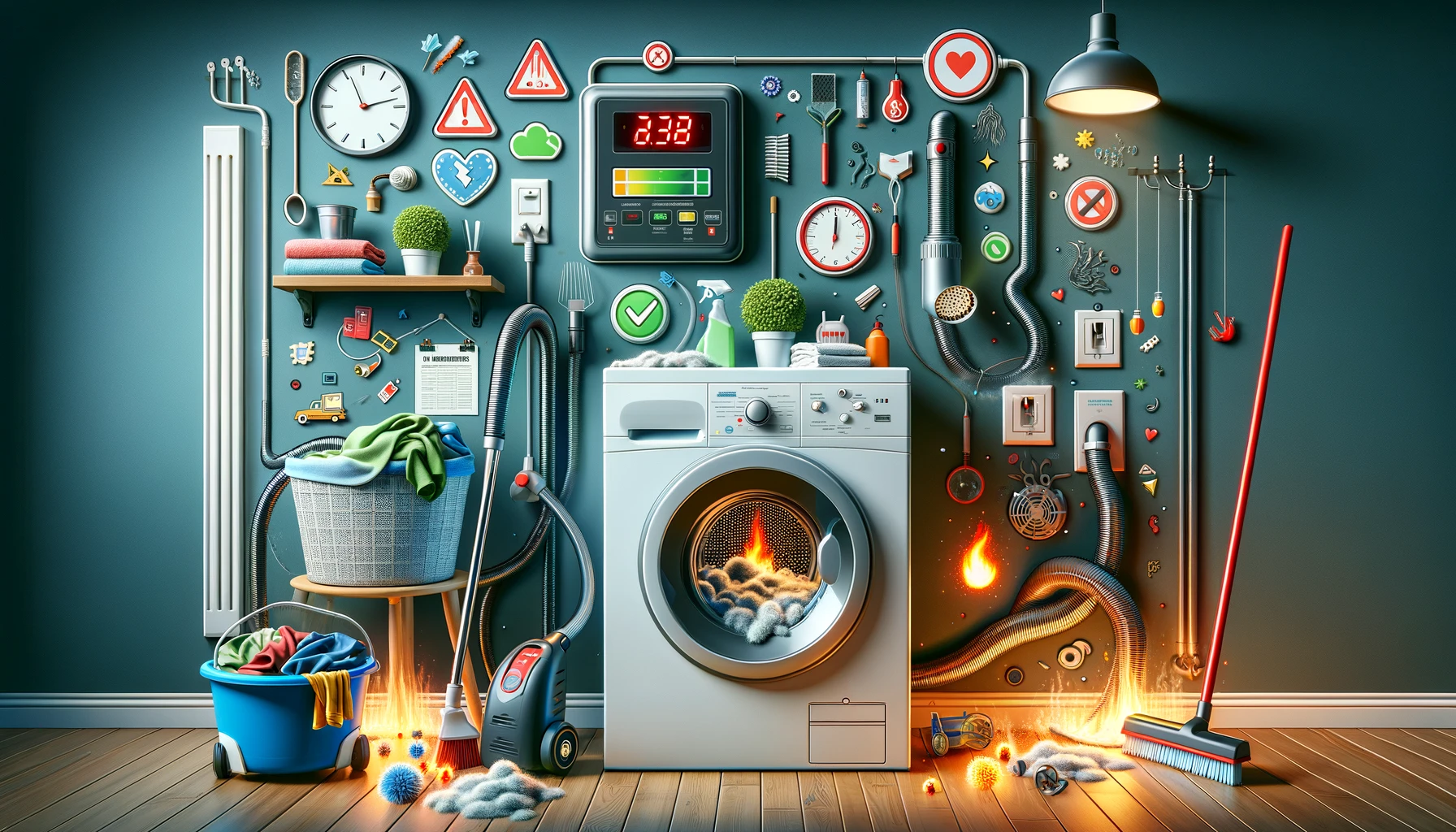
  7. Clean your dryer vents. Professional dryer vent cleaning services help your dryer work more efficiently, use less energy to do its job, and extend its lifespan. Clogged dryer vents are also a fire hazard.
  8. Be aware of material shortages due to the pandemic. Reduced fabrication of certain appliances due to restricted access to materials is an unfortunate side effect of the coronavirus pandemic. If you have considered installing a gas or wood burning insert to your fireplace, begin the process now! Retailers and installers recommend starting renovation now to avoid a long wait for materials.

Outdoor Summer Home Dryer Maintenance Checklist

  1. Clean your grill to prep for summer barbecuing. Use hot water, dish soap, and a scrub brush to clean a charcoal grill. For a gas grill, close the lid, turn the heat to high, and let the grill cook for about half an hour. Let it cool, then use a grill brush to sweep the grill and clean the drip trays.
  2. Consider your watering schedule. If you’ve got plants, think about your strategy for watering them over the summer.
  3. Add a layer of mulch. Also, some extra mulch will help fight off weeds and help your soil retain moisture during those scorching summer months.
  4. Protect your home against unwanted guests. Caulking your windows and doors can help stop bugs and ants from infiltrating your home.
  5. Don’t forget the pool. If you have a swimming pool, take the time to give it a good clean so it’s all ready for the summer.
  6. Consider an outdoor clothesline. Take advantage of the warm weather and put up an outdoor clothesline so you’re not using your dryer as much.
  7. Put a sturdy mat at the door. Help your guests avoid tracking in dirt by having a good mat at your front door.

Need Alameda Dryer Vents Cleaning?

So, there you have it – our summer home dryer maintenance checklist tips. The above list will help you clean up and take care of your home this summer. Preventive home maintenance can even help you save money on home insurance, and it’s never too late to start!

Our services at The Irish Sweep can help you get your home summer-ready in no time. To schedule an appointment with an expert, call us at (510)521-4088, or use a simple contact form by clicking here.

© Copyrights 2026 The Irish Sweep All Rights Reserved.