
The Irish Sweep is still accepting calls to answer questions and schedule any service needs. However, no on-site visits are currently being conducted pursuant to the government's stay in place order. Please feel free to contact us at 510.521.4088 to get answers to your questions or schedule a future appointment.

Chimney Masonry Repair: Before Small Cracks Become Big Headaches

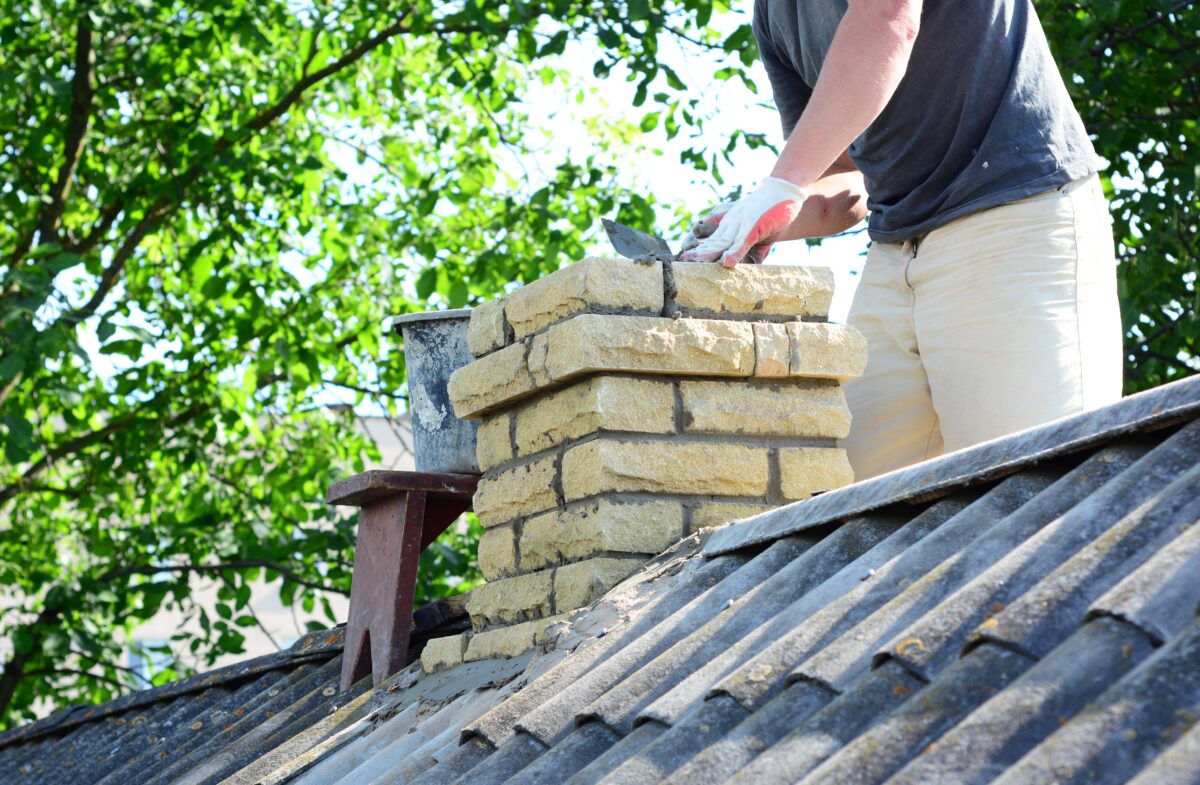
Finding brick chips beneath your chimney can turn an ordinary morning into an unwelcome guessing game. You start wondering how long the damage has been there and what happens next. Chimney masonry repair helps address worn materials before deterioration spreads through more of the structure.

When Chimney Masonry Repair Needs Attention

A chimney can look sturdy from the sidewalk while its mortar joints gradually wear away. Those joints hold the brickwork together and help limit openings where rain can enter. Once they develop gaps, repeated wet weather can make existing damage harder to ignore.

You might notice sandy material collecting below the chimney after a windy afternoon. Elsewhere, a brick face may start peeling away, leaving a rough surface underneath. These changes deserve attention because they reveal deterioration that paint or surface patches cannot explain.

Chimney masonry repair starts with understanding which materials have failed and how far that damage extends. We examine the brickwork before recommending work, since different conditions require different approaches. A few worn joints call for a different conversation than widespread cracking across several sections.

Homeowners deserve that distinction before committing money to a project with an unfamiliar scope. We explain the condition we find so you understand the reasoning behind our recommendations.

What Your Mortar Is Telling You

Mortar does more than fill the spaces between neighboring bricks along your chimney. Its composition needs to work with the surrounding masonry as temperatures change throughout the year. When mortar wears away, the spaces between bricks can become deeper and more exposed.

Repointing involves removing deteriorated mortar and replacing it with material suited to the existing masonry. The remaining bricks must also be assessed before this approach makes sense for your chimney. Adding fresh material over weak joints leaves underlying deterioration without the attention it needs.

Chimney masonry repair may involve repointing when the bricks remain serviceable and joint damage needs correction. We consider the condition of the existing materials when explaining how that work should proceed. Matching appearance matters, though compatibility also deserves careful attention during planning and material selection.

A repair should respect the chimney already standing above your home, including its older materials. That consideration matters in houses where original brickwork has weathered decades of seasonal exposure.

When Bricks Begin Breaking Down

A damaged brick often draws attention because its surface looks different from neighboring masonry. You may see a shallow missing section where the outer face has broken away. This surface deterioration, called spalling, can expose more of the brick to weather.

Replacing damaged bricks can become part of chimney masonry repair when those units are no longer serviceable. The surrounding area needs evaluation because visible damage does not always show its full extent. We look at how individual failures relate to the condition of nearby joints.

Homeowners sometimes ask if every imperfect brick needs replacement during a repair project. The answer depends on the damage and its effect on the chimney’s condition. An assessment helps separate surface wear from deterioration that calls for more involved attention.

Our chimney services provide a starting point for understanding the work we offer local homeowners. We keep recommendations connected to the condition found at your particular home.

Why Water Keeps Complicating Things

Rain can enter damaged masonry through openings that barely register from the ground. Repeated exposure gives moisture more opportunities to reach weakened joints and damaged brick surfaces. Over time, those vulnerable areas can become a recurring source of repair concerns.

Chimney masonry repair should account for moisture exposure instead of focusing on appearance alone. If an opening remains elsewhere, repaired brickwork may still face water entering through another route. We consider related chimney components when assessing how weather could be affecting the structure.

Water stains indoors also require care because their location may not identify the entry point. Moisture can travel before showing itself near a wall or ceiling by the fireplace. Guessing from the stain alone can lead homeowners toward work that misses the cause.

We check flashing around the chimney-to-roof connection, but we do not provide flashing repairs. When that area needs repair, we refer homeowners to a roofing contractor.

Chimney Masonry Repair And Older Homes

Older Bay Area homes often have brickwork that contributes to their familiar neighborhood character. Preserving that character matters to homeowners who appreciate the details that make their house feel personal. Repairs need to account for existing materials as well as the condition they have reached.

A previous patch may look different because its color never matched the original mortar. More importantly, earlier repairs need evaluation for their compatibility with the surrounding masonry. Appearance offers useful clues, though a close assessment provides the information needed for planning.

Chimney masonry repair in an older home calls for attention to those existing conditions. We discuss what can be preserved and where deteriorated materials need replacement. That conversation helps homeowners understand how repair choices relate to their particular chimney.

Our team background explains more about the experience behind the chimney work we provide. We want homeowners to feel comfortable asking questions before a project begins.

Warning Signs Worth Writing Down

You can share useful observations without climbing onto your roof or touching loose masonry. Make a note of changes you can see from safe locations around your property. Photographs taken from the ground can help explain what first caught your attention.

Useful details to mention when arranging chimney masonry repair include the following observations.

  • Mortar fragments appearing below the chimney after windy weather or repeated rainfall.
  • Brick surfaces flaking away and leaving rough patches visible from the ground.
  • Cracks that appear wider than they looked during an earlier season.
  • Water marks developing near the fireplace after rain passes through your neighborhood.
  • A chimney section that appears tilted compared with its previously familiar position.

These observations help start the conversation, though they cannot establish the full repair scope. A visibly leaning chimney or falling masonry deserves prompt professional attention and restricted access nearby.

What Shapes The Repair Plan

The amount of damaged masonry influences how much work a chimney needs. Access also matters because reaching the affected area safely requires planning around the property. Roof height and surrounding conditions can affect how a project is organized.

Chimney masonry repair may focus on a limited section when deterioration remains localized. More extensive damage can require a broader discussion about rebuilding or other available options. We explain those differences instead of assuming every chimney belongs on the same repair path.

Weather affects planning because exterior masonry work needs conditions suitable for the materials being used. Repeated rain can interrupt access or delay work that requires appropriate curing conditions. Allowing time for those requirements supports the quality of the finished repair.

Our chimney service overview offers more context about the care available for local fireplace systems.

Questions That Help Before Work Begins

Understanding the proposed work can make an unfamiliar repair feel much easier to manage. Ask which sections need attention and how the recommendation relates to the damage found. You should also understand what remains outside the scope of the proposed project.

Chimney masonry repair does not automatically include roofing work or repairs to surrounding interior finishes. Discussing those boundaries early helps everyone plan for any additional professionals the project requires. It also reduces confusion about what the completed work will address at your home.

Budget discussions become more useful when they connect costs to a defined scope. A smaller estimate deserves careful reading if it leaves out work another recommendation includes. Comparing the actual tasks gives homeowners a more meaningful basis for making decisions.

Our customer testimonials offer another perspective on working with our team through chimney concerns.

FAQs

How Do I Know If My Chimney Needs Masonry Work?
−
Crumbling joints or damaged brick surfaces are reasons to arrange a professional assessment. Visible changes help identify concerns, though the full extent requires a closer evaluation.
Does Every Crack Mean The Chimney Needs Rebuilding?
+
Cracks need evaluation because their location and extent affect the appropriate response. Chimney masonry repair can address certain conditions without requiring the entire structure to be rebuilt.
What Is The Difference Between Repointing And Brick Replacement?
+
Repointing replaces deteriorated mortar between bricks that remain suitable for continued service. Brick replacement addresses damaged masonry units that need removal and replacement within the structure.
Can You Repair Masonry While Addressing A Roof Leak?
+
We can assess masonry concerns and explain the chimney work within our scope. If flashing needs repair, we refer that portion to a roofing contractor.
Will The Repaired Area Match My Existing Chimney?
+
We consider the existing materials when planning mortar appearance and replacement brickwork. Matching depends on available materials and the condition of the surrounding weathered masonry.
Can A Rarely Used Fireplace Still Need Repairs?
+
An unused fireplace still has an exterior chimney exposed to weather throughout the year. Chimney masonry repair may be needed even when you have stopped using the fireplace.

Give Your Brickwork A Better Tomorrow

We can explain what your chimney’s damaged brickwork needs and discuss appropriate repair options. Contact The Irish Sweep or call 510-521-4088 to discuss chimney masonry repair for your home.

Chimney Flashing Problems Can Lead To Hidden Water Damage

Water stains near a fireplace can make any homeowner’s stomach drop. The chimney column meets the roof at a spot where several materials must work together. When that area starts letting in water, chimney flashing problems may be part of the story.

Why Chimney Flashing Problems Need Attention

Flashing is the metal material installed where the chimney column connects with the roof. Its job is to guide rain away from that vulnerable joint. When flashing becomes loose or worn, water can slip into places it never belongs.

A chimney might look sturdy from the driveway, even while moisture enters near the roofline. Water has a sneaky way of moving through framing before it appears indoors. By the time a ceiling stain shows up, the original entry point can be several feet away.

Chimney flashing problems can develop after years of wind, rain, and normal movement. Older homes often have materials that have weathered many seasons together. A small separation around the chimney column may grow during a stretch of heavy rain.

We inspect the chimney and its surrounding components as part of our work. If flashing appears damaged or needs repair, we explain what we see. We then refer homeowners to a qualified roofing contractor for the repair itself.

That distinction matters because roofing repairs require the right expertise and materials. Our role is to help you understand the chimney-related concerns we find. We want you to have useful information before you contact the appropriate contractor.

For more information about what we do provide, visit our chimney services page. We focus on fireplace systems, chimney condition, and the components that support safe use.

The Roofline Around Your Chimney

The chimney column is the upright section extending through the roof. Around that point, roofing materials meet brick, stone, or another chimney surface. This area needs careful attention because rain naturally moves across the roof toward it.

Flashing helps direct that rain around the chimney instead of beneath roofing materials. It may be difficult to see from the ground, especially on a steep roof. Still, changes in this area can affect rooms far below the roofline.

Homeowners sometimes assume a fireplace leak starts inside the chimney flue. In many cases, the source is outside near the chimney column and roof connection. Finding the cause requires looking at the full situation rather than guessing from one symptom.

Chimney flashing problems are often connected to age, shifting materials, or storm damage. They can also appear after roof work if materials do not fit together properly. Nobody wants to play detective with a ceiling stain, especially during rainy weather.

A proper assessment can narrow down where the water may be entering. We look for warning signs around the chimney itself and explain our observations. If the issue points to flashing, a roofing professional is the next call.

Signs Worth Paying Attention To

New water stains near the fireplace deserve attention, even if they seem small. The stain may dry after rain, then return during the next storm. That repeating pattern can point toward water entering near the roofline.

A damp or musty odor around the fireplace can also raise concerns. Moisture trapped behind walls or around building materials often leaves a distinct smell. It is not a problem that improves by being ignored.

Outside signs can offer helpful clues as well. You may notice rust-colored marks near the chimney column or shingles that appear lifted. Metal around the roof connection can shift over time, especially after strong wind.

Pay attention to these warning signs around your chimney:

  • Water marks on ceilings or walls near the fireplace

  • Damp odors that return after rainfall

  • Rust staining near the chimney column

  • Visible gaps where roofing meets the chimney

  • Shingles that look raised near the chimney area

These signs do not automatically confirm a flashing issue. Water can come from a damaged chimney crown or masonry cracks as well. A thorough look helps separate one concern from another.

Chimney flashing problems deserve a prompt response because moisture can travel through hidden areas. The sooner the source is identified, the easier it is to limit further damage. Waiting often gives water more time to move through materials.

What We Look For During A Visit

When a homeowner calls us about a possible leak, we start by listening. Details about when the problem appears can tell us a great deal. A stain that follows hard rain creates a different picture than smoke odor after fireplace use.

We inspect the chimney structure for visible cracks, damaged crowns, and signs of water exposure. We also look at the chimney column where it meets the roof. This helps us identify concerns that may need a roofing contractor’s attention.

We do not perform flashing repairs, but when chimney flashing problems are visible, we explain what we found in plain language. Then, we recommend contacting a qualified roofer who handles that type of work.

That approach gives homeowners a better sense of direction during a stressful situation. You should not have to guess which professional belongs on the job. We help identify chimney-related concerns so you can take the next step with confidence.

Our best chimney services page shares more about the work we provide for local fireplace systems. We are here to help with the chimney side of the equation.

Water Can Affect More Than Brick

A chimney is built to stand up to heat, weather, and time. Still, long-term moisture exposure can wear down materials that once looked solid. Mortar joints may crack, brick surfaces may flake, and stains may spread indoors.

Water entering near the roofline can also affect nearby wood and drywall. That is why even a small stain deserves a closer look. Homeowners often tell us the issue looked minor until it became harder to ignore.

Chimney flashing problems are one possible cause among several water-related concerns. A chimney cap, crown, or masonry surface can also allow moisture into the system. Our inspection helps identify where the chimney condition fits into the larger picture.

The important part is getting an accurate assessment without jumping to conclusions. We do not want to point at flashing if the real issue lies elsewhere. Careful observation saves time and helps homeowners contact the right professional.

Why Professional Guidance Helps

It is easy to search online and find a dozen possible causes for water stains. That can be useful, though it can also send homeowners down a rabbit hole. Every chimney and roofline has its own history and condition.

We bring chimney experience to the conversation, especially when water may be affecting masonry. We can spot signs of wear around the chimney and help explain their relevance. If the flashing needs repair, we refer you to a roofing contractor.

Chimney flashing problems can overlap with issues involving the chimney crown or cap. That overlap makes it important to avoid quick assumptions. We take the time to look at the chimney system as a whole before sharing our findings.

You can get to know our team and our approach on our about us page. We have built our reputation by being straightforward about what we do and do not provide.

What Happens After We Find A Concern

After our assessment, we walk you through the condition of the chimney. If we find a chimney issue within our scope, we explain the available options. If the concern is flashing, we tell you that a roofing contractor is needed.

A good referral can help you move forward without wasting time. You will have a clearer description of the issue to share with the roofer. That can make the next conversation smoother and more productive.

We remain focused on the chimney work we are trained and equipped to perform. This keeps our recommendations honest and keeps the process grounded. Homeowners appreciate knowing where one professional’s work ends and another begins.

Past customers have shared their experiences working with our team on our testimonials page. Trust matters when your home needs attention and you need practical answers.

FAQs

What Is Chimney Flashing?
−
Chimney flashing is metal installed where the chimney column connects to the roof. It directs rain away from the joint between those two structures.
Does The Irish Sweep Repair Chimney Flashing?
+
No, we do not provide chimney flashing repair services. If we identify flashing concerns, we refer homeowners to a qualified roofing contractor.
Can Chimney Flashing Problems Cause Interior Water Stains?
+
Yes, damaged or loose flashing can allow water beneath roof materials. That water can then travel before appearing on walls or ceilings.
How Can You Help If You Do Not Repair Flashing?
+
We inspect the chimney and look for signs of related damage. Our findings can help you understand if a roofing contractor should assess the flashing.
What Other Chimney Issues Can Cause Water Leaks?
+
Cracked chimney crowns, damaged caps, and worn masonry can allow water into the structure. We can assess these chimney-related areas during a visit.
Should I Wait Until A Stain Gets Bigger?
+
No, it is best to address water stains as soon as possible. Early attention can limit the amount of moisture moving through the home.


Give Your Chimney A Closer Look

If water stains or damp odors have you concerned, we can help assess your chimney. Reach out to The Irish Sweep through our contact page to schedule an appointment and get useful guidance.

© Copyrights 2026 The Irish Sweep All Rights Reserved.