
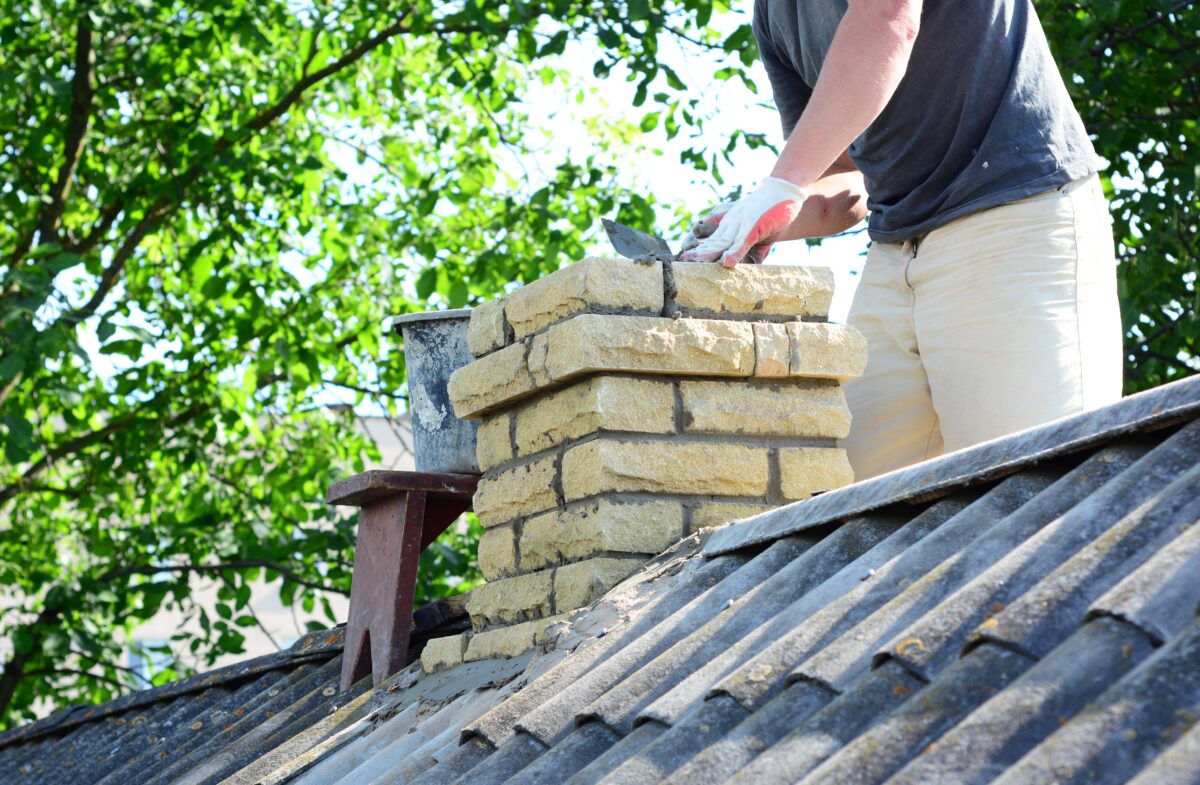
Finding brick chips beneath your chimney can turn an ordinary morning into an unwelcome guessing game. You start wondering how long the damage has been there and what happens next. Chimney masonry repair helps address worn materials before deterioration spreads through more of the structure.
When Chimney Masonry Repair Needs Attention
A chimney can look sturdy from the sidewalk while its mortar joints gradually wear away. Those joints hold the brickwork together and help limit openings where rain can enter. Once they develop gaps, repeated wet weather can make existing damage harder to ignore.
You might notice sandy material collecting below the chimney after a windy afternoon. Elsewhere, a brick face may start peeling away, leaving a rough surface underneath. These changes deserve attention because they reveal deterioration that paint or surface patches cannot explain.
Chimney masonry repair starts with understanding which materials have failed and how far that damage extends. We examine the brickwork before recommending work, since different conditions require different approaches. A few worn joints call for a different conversation than widespread cracking across several sections.
Homeowners deserve that distinction before committing money to a project with an unfamiliar scope. We explain the condition we find so you understand the reasoning behind our recommendations.
What Your Mortar Is Telling You
Mortar does more than fill the spaces between neighboring bricks along your chimney. Its composition needs to work with the surrounding masonry as temperatures change throughout the year. When mortar wears away, the spaces between bricks can become deeper and more exposed.
Repointing involves removing deteriorated mortar and replacing it with material suited to the existing masonry. The remaining bricks must also be assessed before this approach makes sense for your chimney. Adding fresh material over weak joints leaves underlying deterioration without the attention it needs.
Chimney masonry repair may involve repointing when the bricks remain serviceable and joint damage needs correction. We consider the condition of the existing materials when explaining how that work should proceed. Matching appearance matters, though compatibility also deserves careful attention during planning and material selection.
A repair should respect the chimney already standing above your home, including its older materials. That consideration matters in houses where original brickwork has weathered decades of seasonal exposure.
When Bricks Begin Breaking Down
A damaged brick often draws attention because its surface looks different from neighboring masonry. You may see a shallow missing section where the outer face has broken away. This surface deterioration, called spalling, can expose more of the brick to weather.
Replacing damaged bricks can become part of chimney masonry repair when those units are no longer serviceable. The surrounding area needs evaluation because visible damage does not always show its full extent. We look at how individual failures relate to the condition of nearby joints.
Homeowners sometimes ask if every imperfect brick needs replacement during a repair project. The answer depends on the damage and its effect on the chimney’s condition. An assessment helps separate surface wear from deterioration that calls for more involved attention.
Our chimney services provide a starting point for understanding the work we offer local homeowners. We keep recommendations connected to the condition found at your particular home.
Why Water Keeps Complicating Things
Rain can enter damaged masonry through openings that barely register from the ground. Repeated exposure gives moisture more opportunities to reach weakened joints and damaged brick surfaces. Over time, those vulnerable areas can become a recurring source of repair concerns.
Chimney masonry repair should account for moisture exposure instead of focusing on appearance alone. If an opening remains elsewhere, repaired brickwork may still face water entering through another route. We consider related chimney components when assessing how weather could be affecting the structure.
Water stains indoors also require care because their location may not identify the entry point. Moisture can travel before showing itself near a wall or ceiling by the fireplace. Guessing from the stain alone can lead homeowners toward work that misses the cause.
We check flashing around the chimney-to-roof connection, but we do not provide flashing repairs. When that area needs repair, we refer homeowners to a roofing contractor.
Chimney Masonry Repair And Older Homes
Older Bay Area homes often have brickwork that contributes to their familiar neighborhood character. Preserving that character matters to homeowners who appreciate the details that make their house feel personal. Repairs need to account for existing materials as well as the condition they have reached.
A previous patch may look different because its color never matched the original mortar. More importantly, earlier repairs need evaluation for their compatibility with the surrounding masonry. Appearance offers useful clues, though a close assessment provides the information needed for planning.
Chimney masonry repair in an older home calls for attention to those existing conditions. We discuss what can be preserved and where deteriorated materials need replacement. That conversation helps homeowners understand how repair choices relate to their particular chimney.
Our team background explains more about the experience behind the chimney work we provide. We want homeowners to feel comfortable asking questions before a project begins.
Warning Signs Worth Writing Down
You can share useful observations without climbing onto your roof or touching loose masonry. Make a note of changes you can see from safe locations around your property. Photographs taken from the ground can help explain what first caught your attention.
Useful details to mention when arranging chimney masonry repair include the following observations.
- Mortar fragments appearing below the chimney after windy weather or repeated rainfall.
- Brick surfaces flaking away and leaving rough patches visible from the ground.
- Cracks that appear wider than they looked during an earlier season.
- Water marks developing near the fireplace after rain passes through your neighborhood.
- A chimney section that appears tilted compared with its previously familiar position.
These observations help start the conversation, though they cannot establish the full repair scope. A visibly leaning chimney or falling masonry deserves prompt professional attention and restricted access nearby.
What Shapes The Repair Plan
The amount of damaged masonry influences how much work a chimney needs. Access also matters because reaching the affected area safely requires planning around the property. Roof height and surrounding conditions can affect how a project is organized.
Chimney masonry repair may focus on a limited section when deterioration remains localized. More extensive damage can require a broader discussion about rebuilding or other available options. We explain those differences instead of assuming every chimney belongs on the same repair path.
Weather affects planning because exterior masonry work needs conditions suitable for the materials being used. Repeated rain can interrupt access or delay work that requires appropriate curing conditions. Allowing time for those requirements supports the quality of the finished repair.
Our chimney service overview offers more context about the care available for local fireplace systems.
Questions That Help Before Work Begins
Understanding the proposed work can make an unfamiliar repair feel much easier to manage. Ask which sections need attention and how the recommendation relates to the damage found. You should also understand what remains outside the scope of the proposed project.
Chimney masonry repair does not automatically include roofing work or repairs to surrounding interior finishes. Discussing those boundaries early helps everyone plan for any additional professionals the project requires. It also reduces confusion about what the completed work will address at your home.
Budget discussions become more useful when they connect costs to a defined scope. A smaller estimate deserves careful reading if it leaves out work another recommendation includes. Comparing the actual tasks gives homeowners a more meaningful basis for making decisions.
Our customer testimonials offer another perspective on working with our team through chimney concerns.
FAQs
Give Your Brickwork A Better Tomorrow
We can explain what your chimney’s damaged brickwork needs and discuss appropriate repair options. Contact The Irish Sweep or call 510-521-4088 to discuss chimney masonry repair for your home.