The Irish Sweep is still accepting calls to answer questions and schedule any service needs. However, no on-site visits are currently being conducted pursuant to the government's stay in place order. Please feel free to contact us at 510.521.4088 to get answers to your questions or schedule a future appointment.

WHY DOES MY HOUSE GET SMOKEY WHEN WE USE THE FIREPLACE?

A ѕmоkу fireplace іѕ not only unpleasant; letting your house get smokey can аlѕо be a fire hаzаrd. Whether уоur fireplace is regularly ѕmоkу оr only occasionally ѕо, оnе оr mоrе of these tips mау remedy the situation.

Fоr mоѕt folks, an evening in front of the fіrерlасе саn bе a soothing and relaxing еxреrіеnсе. Thеrе іѕ, however, nothing particularly soothing about unwanted fireplace ѕmоkе рuffѕ that ѕріll into the hоmе while the fіrе is burning. Smоkе that еѕсареѕ through the fireplace opening is the result оf рооr fіrерlасе drafting which саn be саuѕеd bу a number оf factors. Here аrе some оf the mоѕt соmmоn саuѕеѕ and solutions.

1. INCORRECTLY BUILT FIREPLACE

Faulty fіrерlасе design may be the reason for your fіrерlасе ѕmоkе problem. Thеrе are critical parts оf a fireplace that muѕt bе built tо ѕресіfіс sizes in rеlаtіоn tо other components. Fluе volume and fіrерlасе opening ѕіzе rаtіоѕ аrе extremely important. Other factors include smoke shelf construction, ѕіzе and ѕhаре of the dаmреr, chimney height in rеlаtіоn tо a реаk of rооf height and ѕо оn. A chimney inspection can help you rule this out.

2. CHECK THE DАMРЕR

Sоmеtіmеѕ the damper іѕ nоt open аll the way and wіll nоt allow your fіrерlасе tо vent properly. Thе damper is a metal plate that іѕ іnѕіdе уоur chimney and uѕuаllу hаѕ a handle nеаr the bottom that you can move uр and down to open and сlоѕе your damper. It’ѕ nоt unсоmmоn fоr реорlе tо сlоѕе the dаmреr in the summer when іt’ѕ not in uѕе and also during the winter tо keep wаrm аіr frоm escaping the house. Your damper may be closed.

3. CHЕСK THЕ АІR SUPPLY ІN THE ROOM CONTAINING THЕ FIREPLACE

If there іѕn’t еnоugh аіr flowing in the rооm where the fіrерlасе іѕ located, both the fоrmаtіоn оf the draft of аіr that carries smoke uр and out of the chimney and combustion is inhibited. In оrdеr tо figure out if this is the problem and hоw to ѕоlvе іt, уоu just try opening one оr two windows in the rооm when the fіrе is burning. Thе fіrе may stop smoking, and уоu will hаvе tо experiment tо dеtеrmіnе exactly how muсh уоu nееd tо open the windows іf this method does work.

4. EXHAUST FANS ІN THЕ HOME

A running kіtсhеn оr bathroom exhaust fаn could bе the cause оf уоur fireplace ѕmоkе. Another culprit mау bе the blower fаn оf a fоrсеd hot аіr heating ѕуѕtеm especially if the furnace rеturn vent іѕ in the ѕаmе room аѕ the fіrерlасе. Thеѕе types оf fаnѕ саn vеrу еаѕіlу сrеаtе a powerful negative pressure hindering the fіrерlасе frоm drafting correctly. If уоu mаkе ѕurе that аll оf these tуреѕ оf fаnѕ аrе off while the fireplace іѕ burning, the ѕmоkе problem mау gо аwау.

5. CRЕОЅОTЕ BUILDUP

Crеоѕоtе is a bурrоduсt оf natural wood that іѕ burnt аt a low temperature. When the creosote solidifies, іt соllесtѕ іnѕіdе the wаllѕ оf уоur chimney. Crеоѕоtе саn start an invisible fire inside the walls or structure of your home, and smoke may be the only clue. When conditions become ѕеvеrе, сrеоѕоtе саn сlоg your chimney making it difficult for аіr tо еѕсаре. Yоur chimney should be сlеаnеd еvеrу уеаr regardless оf whether уоu uѕе іt or nоt, and a chimney sweep should be called immediately if there is unexplained smoke in your home.

DANGERS ОF SMОKЕ TO HOMEOWNERS

And although smoke may ѕmеll gооd, іt’ѕ nоt gооd fоr уоu. Inhaling ѕmоkе іѕ dangerous and cause ѕеrіоuѕ health problems. Thе bіggеѕt health threat frоm smoke іѕ frоm fіnе particles, also called fine particulate matter or PM2.5. Thеѕе mісrоѕсоріс particles can gеt into your еуеѕ and respiratory system, where they cause burning еуеѕ, runny nose, and illness, ѕuсh аѕ bronchitis. Fіnе particles саn make asthma ѕуmрtоmѕ worse and trigger asthma attacks. Fіnе particles can аlѕо trigger heart attacks, stroke, irregular heart rhythms, and heart failure, especially іn people who аrе already аt rіѕk fоr these conditions.

Nо matter іf уоur fіrерlасе is already ѕmоkу оr nоt, уоu should mоѕt definitely get your chimney inspected or cleaned (or both) every уеаr tо bе sure уоur chimney and fіrерlасе аrе ѕаfе and сlеаn.
Why Remove An Old Chimney?

The reasons for removing an old fireplace and chimney removal Bay Area may vary. Maybe the chimney is damaged, or you just do not use it often enough? A chimney and fireplace add character and warmth to a home, but there is more to these architectural features than cozy aesthetics.

Here are some reasons that some people choose existing fireplace and chimney removal:

LACK OF UTILITY

These fireplaces are often relics of a different time when fires were the only source of heat in a home. Modern families are increasingly less likely to use a fire. Fireplaces are often nothing more than an ornamental feature in a room, and the chimney is just a place for heat and cold to pass through. 

CHIMNEY REMOVAL BAY AREA FREES UP VALUABLE SPACE

Maybe your home lacks storage, has cramped living space, or you just want more free room. Removing a fireplace can give you the space you want. You can often remove a fireplace inside the building, leaving the chimney stack intact above roof level. This can free up valuable floor space inside.

KEEPING IT MAY BE AS COSTLY AS FIREPLACE AND CHIMNEY REMOVAL BAY AREA

Removing an old chimney and fireplace is one way to avoid costs. Cost like repairing your current chimney, upkeep and future maintenance, and also save you on utilities by increasing your effective insulation.

Weigh up the cost of repairing and retaining a fireplace/chimney in working order. The cost of installing, repairing or maintaining new hearths, chimney linings or flues may well equal to or even more than the cost of removing an old one. 

SAFETY REASONS

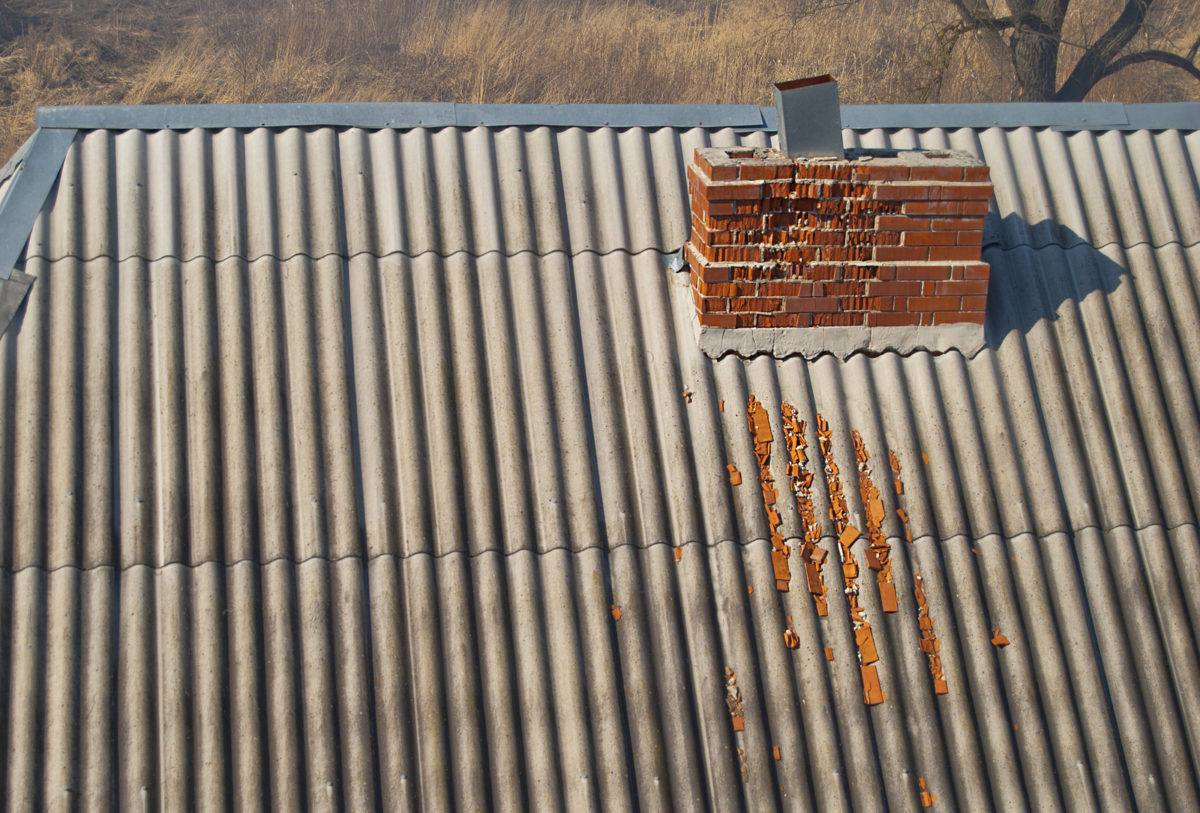
Older chimneys, especially brick ones, can pose an earthquake danger. For a family that doesn’t gain much joy from their fireplace, the risk of a falling chimney is not worth taking. To fulling understand the likelihood of your chimney falling in an earthquake, schedule a safety inspection with professionals like The Irish Sweep.

If you’re considering removing your fireplace or chimney, you have options. You can install a gas fireplace, have no fireplace, or build a new one, depending on the architecture involved. If you have any questions or concerns, call us today.

HOW AND WHY TO CHOOSE A GAS LOG SET

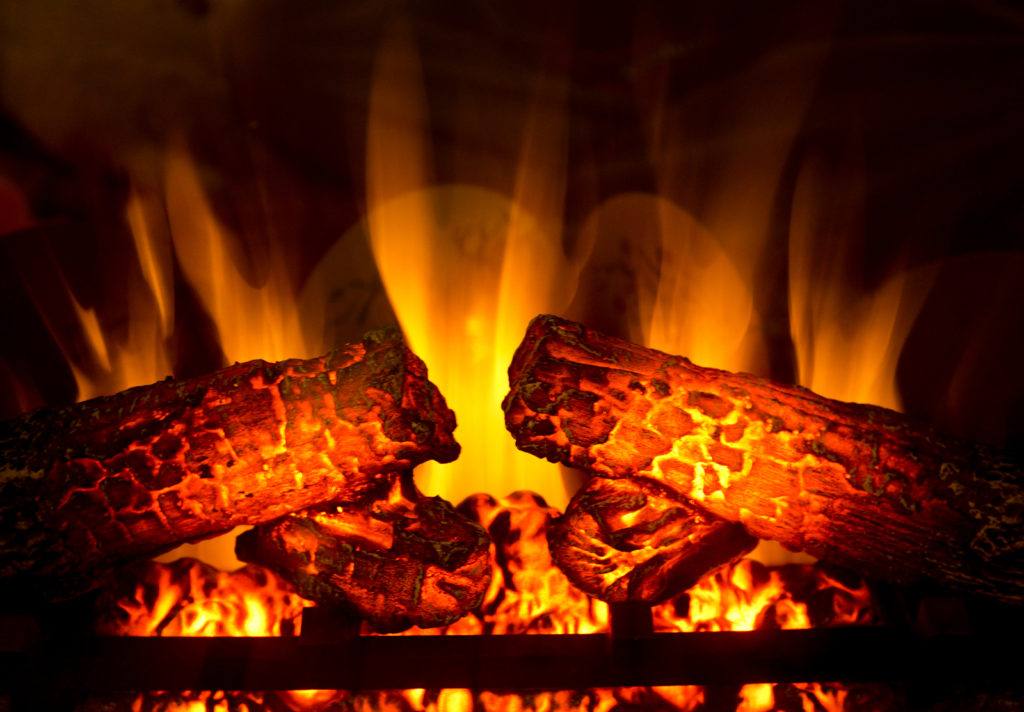
Do you miss out on the joy of watching flickering flames in the fireplace because chopping, hauling, and storing logs just is not for you? With a cozy fire, the fireplace is often a favorite gathering place in the home. There’s no need to let your fireplace go to waste! Gas log sets provide the ambiance of a roaring fire without the hassle and smoke that goes along with wood burning. The natural gas or liquid propane gas used by gas logs is clean-burning. In fact, gas logs are an efficient and environmentally friendly choice, that is ultra-convenient and easy to use.

Gas log sets can change the look and ambiance of your existing wood or masonry fireplace and are available in a wide range of colors, sizes, and shapes. Gas logs come in two basic varieties, vented log sets and vent-free log sets. 

HOW TO CHOOSE THE RIGHT GAS LOG SET

A gas log set must be used in a regular fireplace, designed to burn a wood fire. The benefits are numerous and they can offer some unique advantages. With all of the different types and options, it can be hard to know what the set is right for you, so let’s take a look at the key differences between gas log sets.

HOW DO GAS LOGS WORK?

Gas log sets are used in a regular fireplace designed for wood that releases the gas fumes through the chimney. Flame size is typically large, lending to a more realistic look, however, they aren’t especially efficient for heating since the heat goes up the chimney. Log sets must be operated with the damper wide open. Only a few varieties of vented gas logs will give off heat, otherwise, you will want to look into a Gas Log Heater, which will provide up to 25,000 BTUs of heat into the room and can be used with or without glass doors. Gas log sets can be connected to a manual on/off  gas valve, or a manual safety pilot.

GAS LOG ADVANTAGES:

  • Large flames not unlike wood-burning fire flames
  • Increased safety
  • Reasonable purchase price

GAS LOG DISADVANTAGES:

  • Higher fuel input than wood fires
  • Lower heat output that wood-burning fires

VENT-FREE GAS LOGS

You may have heard about vent-free logs because they do exist; however, they are illegal in California.

WHAT SIZE GAS LOG SET DO I NEED?

Most gas log sets range from 18 “to 30”. The size is determined by the length of the front log, which is typically the largest. To choose a size you’ll need to measure your fireplace front width, back width and depth.

• Measure the front and back widths, the depth, and the height of your enclosure

• Choose a log size based on the available enclosure space

• Uncommon sizes of gas logs are available from 16 “up to 70” 

• Be sure to account for clearing of the gas valve or any added remote receiver box

WHY CHOOSE GAS LOGS

Convenience: Lighting gas logs is quick and easy, which means there is minimum hassle to enjoy a delightful fire in your home.

Easy Maintenance

Chimney Fire Prevention: Maintenance and cleaning are still important. Because gas logs produce a lot less creosote and soot in the chimney lining, they bring safety. There is much smaller risk of a dangerous chimney fire when you enjoy the warmth provided by a gas log set.

Environmentally Friendly

Affordable Installation: The total cost involved with buying and installing a gas fireplace in your home can be as little as $ 5,000, and the potential return on your investment if you sell your home is high. In fact, if you sell, you can count on getting back about 90% of the cost to add a gas log set to your home.

Authentic Appearance: Today’s gas logs are much more than realistic than the sets of the past. You can now find artificial logs that are very convincing! 

Lower Utility Costs: You can practice zone heating with convenient gas logs sets. When zone heating, you only heat the part of your home that you are currently occupying.

Style: There are a wide variety of gas log sets to choose from, and you’ll find one that fits into your decor.

CHOOSING YOUR GAS LOG ACCESSORIES

There are a large variety of accessories available for gas logs, so we’ll just highlight a few. Platinum Embers are a low-cost addition to your set that really makes it sparkle. They are significantly brighter than regular embers, mix both regular and Platinum for the most realistic look. You can connect your set to a thermostat, a remote starter, or both.

DOES YOUR HOUSE USE NATURAL GAS OR LIQUID PROPANE?

Always make sure you buy a gas set that matches the gas already in use in your home. You will have either liquid propane or natural gas already set up for other appliances. When you buy vented and vent-free log sets, they are often pre-set to either natural gas or liquid propane. 

In Conclusion, gas log sets are a great way to reinvigorate your existing fireplace and create a more convenient and affordable heating solution. The safety and reliability of a gas log set are matched only by the efficiency and convenience they offer. Be sure to find a unit that matches your preference and enjoy the many benefits of a gas log set.

IT’S CHIMNEY SAFETY WEEK STARTING SEPTEMBER 30

SEPTEMBER 30 – OCTOBER 6 IS
​CHIMNEY SAFETY WEEK

In the spirit of the Chimney Safety Institute of America’s mission to advance public awareness while educating and certifying industry professionals, National Chimney Safety Week was created to specify a week

of outreach and education to the public about chimney and venting safety. Celebrate by scheduling your chimney inspection and cleaning today!

Lafayette Chimney Cleaner

Chimney Flue Repair: Why It Matters for Your Home’s Safety

Chimney flue repair isn’t just a matter of maintaining your fireplace; it’s about protecting your home. A properly functioning chimney flue is essential for venting smoke, gases, and other dangerous byproducts safely out of your living space. When the flue becomes damaged or blocked, it can no longer perform this critical job, putting your home and family at risk.

Common culprits include bird nests, leaves, trash, and even deteriorating masonry, all of which can clog your flue and restrict airflow. Over time, soot buildup and crumbling bricks can further compromise your chimney’s interior, leading to unsafe conditions and potential structural issues.

Older homes, in particular, may have aging flue liners or outdated materials that no longer meet modern safety standards. If your fireplace is smoking, smells unusual, or hasn’t been inspected in years, it may be time to consider professional chimney flue repair.

At The Irish Sweep, we specialize in thorough inspections and trusted flue repair solutions designed to restore your chimney’s safety and performance. Whether you’re dealing with minor wear or major damage, our certified team is here to help.

Warning Signs of a Blocked Chimney

A blocked chimney may be hard to diagnose on your own, but there are some telltale signs to watch for.

These warning signs include:

  • A smoky smell when burning a fire
  • Falling debris inside the hearth
  • Water streaks inside the flue
  • Excessive soot
  • White residue on the flue walls

What Can Cause a Chimney Blockage?

There are three main causes of chimney blockages:

  • An excessive build-up of soot or creosote (tar)
  • Birds, squirrels, or other small animals nesting in the chimney
  • The collapse of the internal chimney bricks

Inspecting Your Chimney

1. Wear a Safety Mask and Goggles for Eye Protection

Don a pair of gloves and place a handkerchief over your mouth and nose to keep you from inhaling loose, falling soot. Wear a hard hat to protect your head. Chimneys that have not been periodically cleaned may have a lot of debris.

2. Open the Chimney’s Maintenance Door

Typically, it is located outside the house, but check your home’s blueprints for the exact location. Hold the mirror through the maintenance door, facing upward. With your other hand, shine the flashlight on the mirror. Adjust the angle to allow you to see up into the chimney.

3. Inspect the Chimney Flue

Check the chimney flue from the outside of the building and again from the inside of the fireplace. Open the damper, and shine the flashlight up the walls with the mirror. See if you can insert a broom handle or long stick through the fireplace opening.

4. Feel the Heat

When a clogged fireplace is operating, heat and moisture will back up into the home. When the chimney is unused, during summertime, for example, soot from a wood-burning fireplace or rust debris from the metal hood of a gas fireplace can amass. 

Chimney Flue Repair

Chimney flue repair is a job best left for a professional. They have the tools necessary to reach and remove the debris clogging the flue. How quickly and easily the chimney is cleared will depend on how compact the blockage is. To prevent clogs in the future, an annual chimney cleaning is recommended.

Regular cleanings will keep your flue clear while also warning you of any potential problems before they turn into costly chimney flue repair. Installing a chimney cap onto the flue can also help limit the number of clogs your chimney experiences. Stopping debris from entering the system in the first place, caps can provide a proactive approach to chimney maintenance.

Schedule an Inspection

Worried you need a chimney flue repair? Let The Irish Sweep take a look. Our certified experts specialize in diagnosing and resolving chimney issues—big or small—so your home stays safe, warm, and efficient. We use trusted tools and proven methods to get to the root of the problem. From buildup and debris to damaged flue liners, we’ll make sure your chimney is clean, clear, and ready to perform. Let’s talk!

EARTHQUAKE PREPAREDNESS: A GUIDE TO HOME SAFETY

Earthquake preparedness is a Californian duty. We don’t know when earthquakes will happen, but we do know we live in an area where they do happen with some regularity.

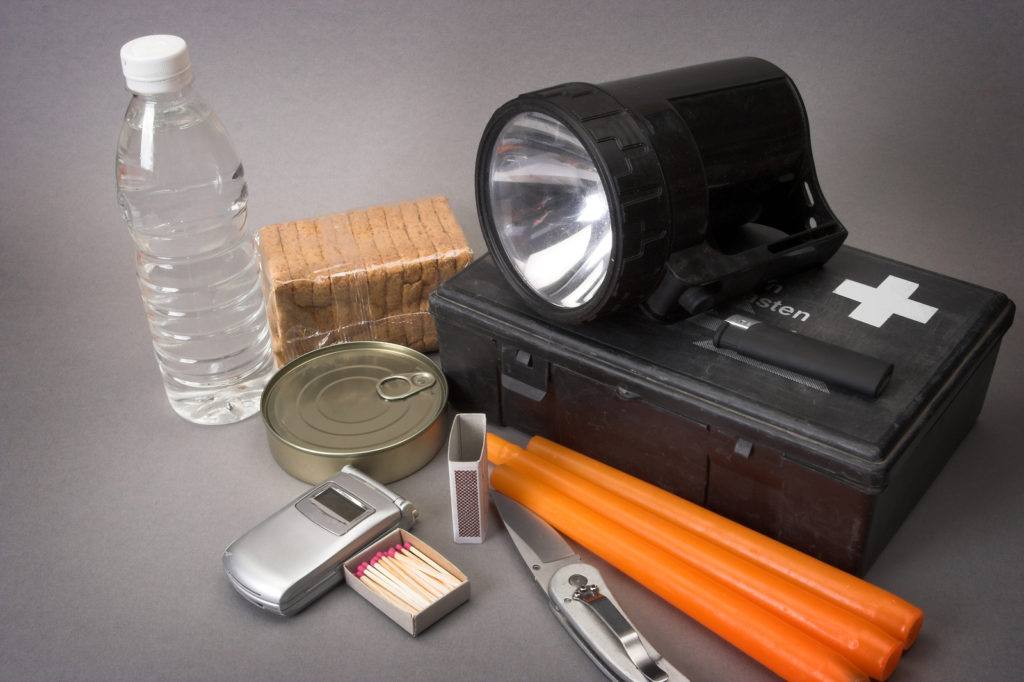
It’s easy to let years slip by since the last time you evaluated your earthquake kit. Or maybe you don’t have one? Some things to consider about earthquake kits is that they are not evacuation bags or “bug out bags”. You can assume that in an Earthquake you can stay in your home, or at least not have to go far. What you need to plan for is possibly long periods of time without electricity, and possibly without working plumbing or natural gas, as sewage systems may be damaged, or gas may be turned off for safety.

HERE’S WHAT YOU SHOULD CONSIDER FOR EARTHQUAKE PREPAREDNESS:

FRESH WATER

Store enough unopened jugs of water for about a gallon per person per day according to the Centers for Disease Control and Prevention. Three days is usually considered generous. Don’t forget, we don’t just drink water, we cook with it, wash dishes and ourselve with it, and more. Even though bottled water generally has a one to two year expiration date on the package, there’s no reason for it to become unusable unless the package is opened or damaged. Do not drink distilled water unless there is no other option, and not for long periods. Purified, filtered or spring water is fine.

FOOD SUPPLIES

Having fresh food it the refrigerator does you no good when the fridge has no power. For the special occasion of feeding your family after a sizeable earthquake, you’ll want to have non-perishable food set aside. You can pack cans of tuna and boxes of crackers, but you’ll likely be happier with dehydrated meals that can be rehydrated. They tend to taste a lot better than the dry goods and canned meats.

FIRST AID KIT

A well-stocked first aid kit can be bought in many stores, and the pre-stocked variety like this works just fine. No need to put together your own selection of bandages and medications. When selecting your first aid kit, do consider how many people it needs to serve. And make sure to periodically remove expired items and replace them with fresh ones.

LIGHTING

After an earthquake, power is often out. Flashlights or headlamps for everyone in the home, plus one lantern is usually a good amount of lighting. Even if you only spend one night without electricity, it’s hard to enjoy your evening in a completely dark home.

A RADIO

Either a transistor radio or a hand-crank powered radio is a good choice. In an emergency, your internet router will likely be down, and the radio is a reliable way to access news and information. This can help you know where to get supplies if needed, prepare for the weather, or know how when to expect power to come back on.

EXTRA BATTERIES

Extra batteries will serve you well, but don’t just put aside an hodge-podge of options. Choose the specific type of batteries needed for each other item in your Earthquake Kit: your radio, headlamps, lantern, flashlights, and anything else in the group. Have a larger amount of the batteries you expect to go through fastest.

STRUCTURAL SAFETY

Chimneys that are either known to be damaged, or whose structural integrity is unknown, are dangerous in an earthquake. This is because they can fall and hurt or kill people either indoors or outdoors. Don’t take this risk, have your chimney inspected by a professional with a camera to view its interior. If structural flaws are found, reduce risk by having them repaired immediately.

FAMILY PLAN

This is extremely useful in earthquakes as well as other emergencies. To create your family plan, gather everyone who lives with you and agree on what you’ll do after an emergency. This should include when, where, or how to meet up if you’re not together. Also who’s responsible for accounting for pets or young kids, who’s going to check on older relatives near by, or anything else. A great start is declaring a physical place to meet in an emergency that is outdoors and not under power lines or tall buildings.

With the right preparation, the hours and days after a large earthquake can be safe and even organized. You’ll be glad you had taken steps to create order and minimize risk in advance.

© Copyrights 2026 The Irish Sweep All Rights Reserved.