
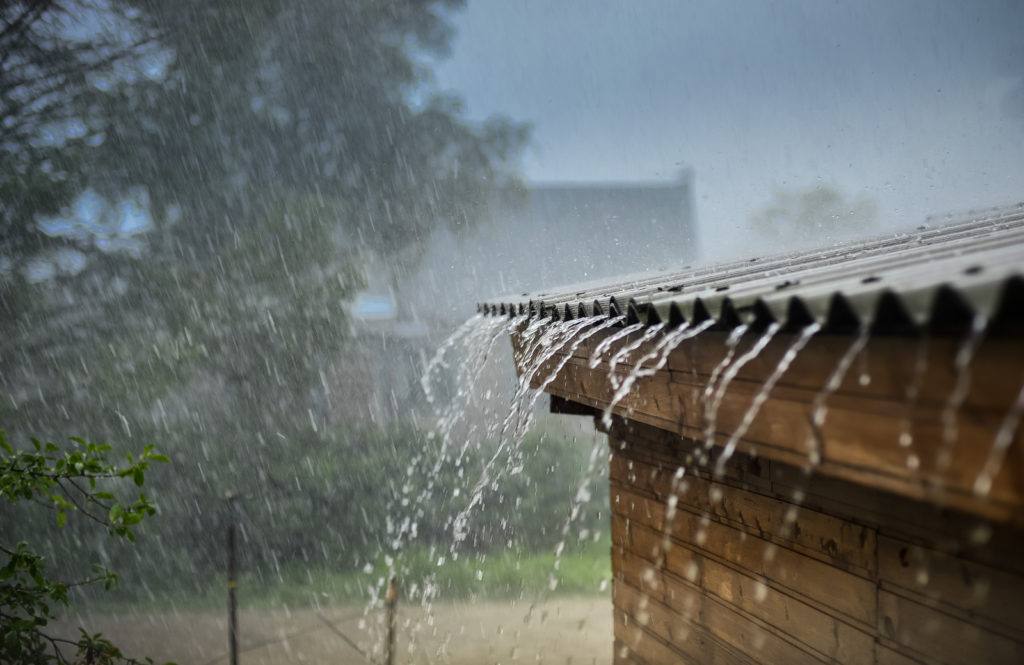
While this winter has not been too wet, many are predicting some rain over the next couple months. We don’t anticipate it reaching last year’s levels, but it’s still important that you waterproof your chimney. Water can seep into a chimney and leaks may form. But how does this potentially expensive problem even happen?
Category: Chimney
HEATSHIELD CHIMNEY LINER REPAIR
At the Irish Sweep, we pride ourselves on doing the highest quality work. We accomplish this through having excellent training and experience, but also through using top quality materials. One of the truly remarkable materials we use is HeatShield cerfractory flue sealant for resurfacing flues.
According to the Chimney Safety Institute of America, problems such as gaps, cracks and spalling in your chimney’s flue can present serious risks to your home and family, because your chimney can no longer perform its intended function – to safely contain and vent the products of combustion to the outside. It’s because of this that the inner surface of your flue is so important.
HeatSheild is a durable coating applied by experts, like us at the Irish Sweep, to restore safety and efficiency to your chimney’s flue by filling in gaps and cracks. This can salvage a chimney flue that would otherwise have needed removed and rebuilt or retired.
The key to a safe chimney is a flue that properly contains dangerous gases, heat and flames. The rest of your home isn’t a safe place for these elements to be, and your flue is the barrier that protects you. But only until it weakens and develops cracks, spalled clay, and deteriorated mortar. This used to mean the end of life for a flue, but HeatSheild allows us to renew your flue safely.
HOW DOES HEATSHIELD SEALANT WORK?
To start restoring your chimney’s flue by resurfacing the interior, we make a custom foam applicator plug. It’s then placed at the bottom of the flue, attached to a winch on top the chimney. When the applicator it pulled up with the winch, it evenly applies the lining to flue.
First, a “tie coat” material is applied to the flue walls as the plug is pulled upward by the winch. The “tie coat” cleans any remaining dust in your flue and acts as a primer for the HeatShield® Cerfractory® Flue Sealant.
After the tie coat dries, we apply the HeatShield® material to the flue at about ¼” thickness. Our unique application method is known as “slip casting” or “slip cast extrusion”.
We then verify that your new chimney lining has a complete seal and is smoke-tight by using cameras and video scanning your completed repair.
Why Remove An Old Chimney?
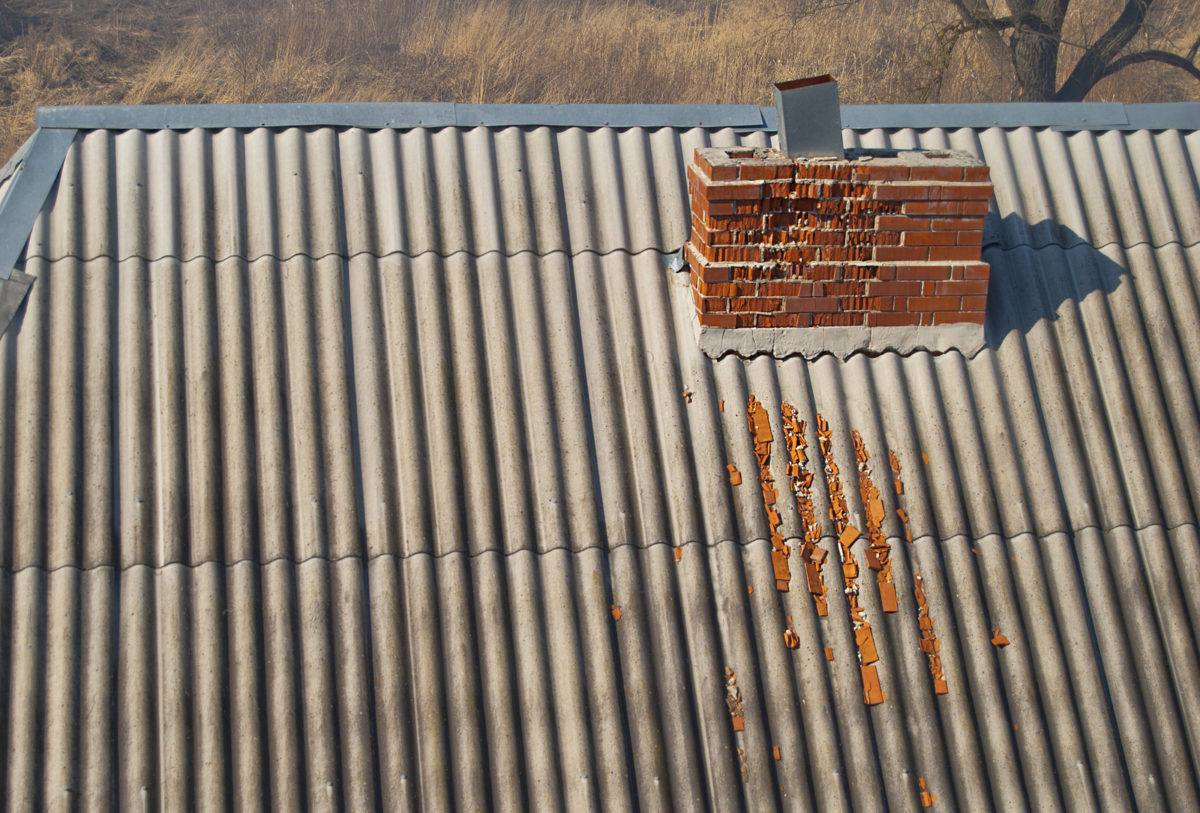
The reasons for removing an old fireplace and chimney removal Bay Area may vary. Maybe the chimney is damaged, or you just do not use it often enough? A chimney and fireplace add character and warmth to a home, but there is more to these architectural features than cozy aesthetics.
Here are some reasons that some people choose existing fireplace and chimney removal:
LACK OF UTILITY
These fireplaces are often relics of a different time when fires were the only source of heat in a home. Modern families are increasingly less likely to use a fire. Fireplaces are often nothing more than an ornamental feature in a room, and the chimney is just a place for heat and cold to pass through.
CHIMNEY REMOVAL BAY AREA FREES UP VALUABLE SPACE
Maybe your home lacks storage, has cramped living space, or you just want more free room. Removing a fireplace can give you the space you want. You can often remove a fireplace inside the building, leaving the chimney stack intact above roof level. This can free up valuable floor space inside.
KEEPING IT MAY BE AS COSTLY AS FIREPLACE AND CHIMNEY REMOVAL BAY AREA
Removing an old chimney and fireplace is one way to avoid costs. Cost like repairing your current chimney, upkeep and future maintenance, and also save you on utilities by increasing your effective insulation.
Weigh up the cost of repairing and retaining a fireplace/chimney in working order. The cost of installing, repairing or maintaining new hearths, chimney linings or flues may well equal to or even more than the cost of removing an old one.
SAFETY REASONS
Older chimneys, especially brick ones, can pose an earthquake danger. For a family that doesn’t gain much joy from their fireplace, the risk of a falling chimney is not worth taking. To fulling understand the likelihood of your chimney falling in an earthquake, schedule a safety inspection with professionals like The Irish Sweep.
If you’re considering removing your fireplace or chimney, you have options. You can install a gas fireplace, have no fireplace, or build a new one, depending on the architecture involved. If you have any questions or concerns, call us today.
WHY GET A CHIMNEY INSPECTION BEFORE YOU SELL YOUR HOME

So you’ve decided to buy or sell your home. What an exciting time! In either case, it’s important to know the condition of the chimney and fireplace system you’re about to either buy or sell.
Buying or selling a home can be a stressful process for everyone involved. You need to know that the value of the property you’re buying aligns with
the amount you invest in it. Naturally, you’ll have the home inspected and you’ll likely have it appraised.
If you have a chimney, hiring a chimney sweep for an inspection and cleaning is something that needs to be done.
The National Fire Protection Association (NFPA) and the CSIA recommend that you have a Level II chimney inspection performed when a property is changing hands. Level II real estate inspections make use of video scanning technology, which allows us to see things that a home inspector with a flashlight would miss.
During the inspection, they feed a camera into the chimney flue and scan the walls, checking for cracks, holes, buildup, blockages, and damage. With this equipment, we can see the interior of the chimney up close and focus on areas that look concerning. We’re also able to capture photographs to include in the report provided to you. This can be great for insurance purposes or negotiating purposes and can prevent you from getting stuck with a massive chimney repair bill or a fire or safety hazard that you were unaware of at the time of the sale.
4 REASONS TO INSPECT BEFORE YOU SELL YOUR HOME
1. A FAVORABLE CHIMNEY INSPECTION REPORT REFLECTS WELL ON YOU:
When selling, the prospective buyer will see the current inspection reports, and realize your home is in great condition. The home buyer will be more enthusiastic about putting in an offer on a home that is move-in ready. You’ll be able to command a higher price than a home that needs, or might need, repair.
If you’re buying, requesting the chimney inspection report allows you to know what condition of chimney you’re acquiring.
2. SATISFY THE REQUIREMENTS OF INSURANCE COMPANIES:
Today, many insurance companies require an inspection by a chimney certified technician before issuing insurance on a home that has a chimney system.
3. PROVIDE THE AMBIANCE ON HOME BUYERS’ WISH LISTS:
A fireplace is often an item on the home buyer’s “must have” list. There is no doubt that a functioning chimney system has great charm and aesthetic appeal. Knowing the chimney is safe and usable makes nights by the fire cozier.
4. CLOSE ON TIME:
Don’t be delayed by missing inspection reports, have the chimney inspected before listing to sell your home. The prospective purchaser wants confirmation that your beautiful chimney is in good working order. Having to wait until the chimney inspection is scheduled and performed delays the purchaser’s final decision. Make it easy to say yes.
In Conclusion, make selling a home a little less stressful by having your chimney inspection by a certified chimney sweep.
EARTHQUAKE PREPAREDNESS: A GUIDE TO HOME SAFETY
Earthquake preparedness is a Californian duty. We don’t know when earthquakes will happen, but we do know we live in an area where they do happen with some regularity.
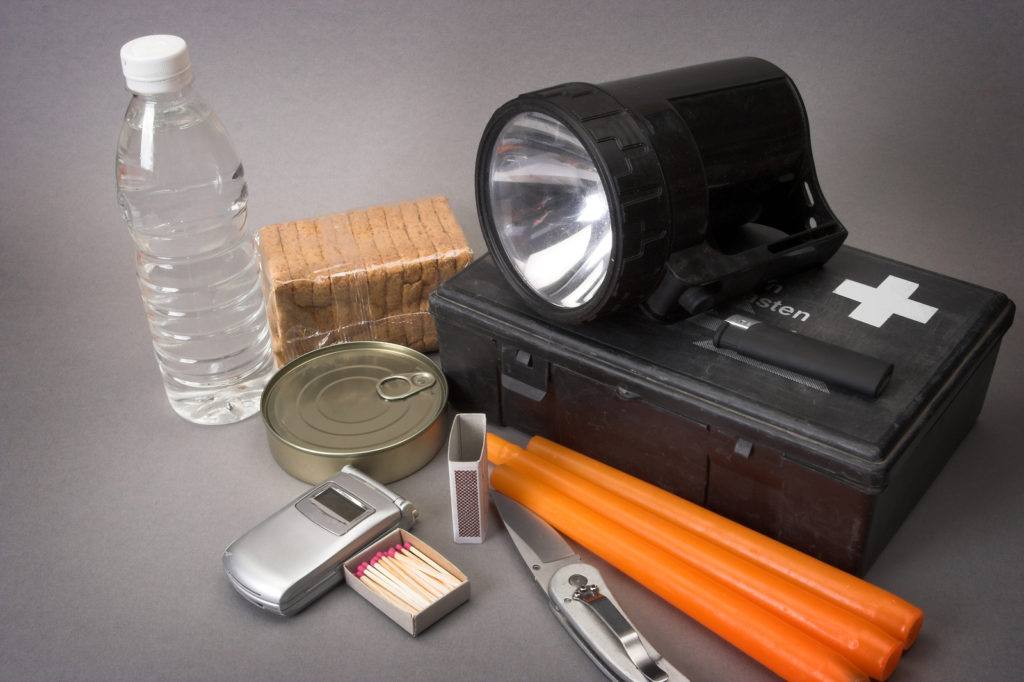
It’s easy to let years slip by since the last time you evaluated your earthquake kit. Or maybe you don’t have one? Some things to consider about earthquake kits is that they are not evacuation bags or “bug out bags”. You can assume that in an Earthquake you can stay in your home, or at least not have to go far. What you need to plan for is possibly long periods of time without electricity, and possibly without working plumbing or natural gas, as sewage systems may be damaged, or gas may be turned off for safety.
HERE’S WHAT YOU SHOULD CONSIDER FOR EARTHQUAKE PREPAREDNESS:
FRESH WATER
Store enough unopened jugs of water for about a gallon per person per day according to the Centers for Disease Control and Prevention. Three days is usually considered generous. Don’t forget, we don’t just drink water, we cook with it, wash dishes and ourselve with it, and more. Even though bottled water generally has a one to two year expiration date on the package, there’s no reason for it to become unusable unless the package is opened or damaged. Do not drink distilled water unless there is no other option, and not for long periods. Purified, filtered or spring water is fine.
FOOD SUPPLIES
Having fresh food it the refrigerator does you no good when the fridge has no power. For the special occasion of feeding your family after a sizeable earthquake, you’ll want to have non-perishable food set aside. You can pack cans of tuna and boxes of crackers, but you’ll likely be happier with dehydrated meals that can be rehydrated. They tend to taste a lot better than the dry goods and canned meats.
FIRST AID KIT
A well-stocked first aid kit can be bought in many stores, and the pre-stocked variety like this works just fine. No need to put together your own selection of bandages and medications. When selecting your first aid kit, do consider how many people it needs to serve. And make sure to periodically remove expired items and replace them with fresh ones.
LIGHTING
After an earthquake, power is often out. Flashlights or headlamps for everyone in the home, plus one lantern is usually a good amount of lighting. Even if you only spend one night without electricity, it’s hard to enjoy your evening in a completely dark home.
A RADIO
Either a transistor radio or a hand-crank powered radio is a good choice. In an emergency, your internet router will likely be down, and the radio is a reliable way to access news and information. This can help you know where to get supplies if needed, prepare for the weather, or know how when to expect power to come back on.
EXTRA BATTERIES
Extra batteries will serve you well, but don’t just put aside an hodge-podge of options. Choose the specific type of batteries needed for each other item in your Earthquake Kit: your radio, headlamps, lantern, flashlights, and anything else in the group. Have a larger amount of the batteries you expect to go through fastest.
STRUCTURAL SAFETY
Chimneys that are either known to be damaged, or whose structural integrity is unknown, are dangerous in an earthquake. This is because they can fall and hurt or kill people either indoors or outdoors. Don’t take this risk, have your chimney inspected by a professional with a camera to view its interior. If structural flaws are found, reduce risk by having them repaired immediately.
FAMILY PLAN
This is extremely useful in earthquakes as well as other emergencies. To create your family plan, gather everyone who lives with you and agree on what you’ll do after an emergency. This should include when, where, or how to meet up if you’re not together. Also who’s responsible for accounting for pets or young kids, who’s going to check on older relatives near by, or anything else. A great start is declaring a physical place to meet in an emergency that is outdoors and not under power lines or tall buildings.
With the right preparation, the hours and days after a large earthquake can be safe and even organized. You’ll be glad you had taken steps to create order and minimize risk in advance.
CHIMNEY CAMERA INSPECTION: TECHNOLOGY THAT COULD SAVE YOUR HOME
Did you know why chimney inspectors use cameras to evaluate safety? Anyone who isn’t using a visual inspection from inside the flue is not gaining the information needed to assess fire safety. That’s why Irish Sweep uses the Chim Scan Lighthouse camera.
WHY HIRE A SWEEP WITH A CHIMNEY CAMERA?
To know if your chimney is safe for use, having a camera-assisted inspection is the only way. This is because any other method of assessing the safety of your chimney is akin to making a guess. Not even an “educated guess” because without visual information about the inside of your flue, the education on your specific chimney is missing.
With the lighthouse camera, the entire interior of your chimney is made visible with a navigable camera. It can take still pictures as well as continuously display during the inspection. It can be backed up or moved forward, and offers a 360 degree view. The camera itself doesn’t diagnose or evaluate safety, instead human chimney experts use it to gather needed information. There are still not computers as intelligent as licensed chimney sweeps!
WHAT DO THEY LOOK FOR?
Some of the things a sweep looks for during an inspection include cracks in the clay tile, gaps between the joints of the tile, any potential defects, and creosote build up. They may encounter birds or rodent nests or other blockages as well. The sweep’s job is to fully assess the condition of your chimney. This includes the surface, the structure, and any blockages to the airway. The next steps may be a chimney cleaning, repair, or just a cozy fire.
We want to find these things to protect your home. The camera’s view can help you evaluate safety from building fires, build up from toxic gasses, and the danger of a spontaneously collapsing chimney, among other things.
At the Irish Sweep, we use camera technology for all chimney inspections. If you haven’t had your chimney inspected in the last year, you’re taking a risk that becomes more dangerous as time goes on. Contact us today to schedule an inspection and cleaning, so you can enjoy a stress-free night by the fire.
For more about the specific model of camera we use, visit: https://www.chimscan.net/lighthouse-camera.html