As the weather has turned colder, it’s time to follow some important winter tips for your chimney. These practices will help protect you, your chimney, and home.
CHIMNEY INSPECTION:
Continue reading “Winter Tips for Using your Fireplace and Chimney”
As the weather has turned colder, it’s time to follow some important winter tips for your chimney. These practices will help protect you, your chimney, and home.
CHIMNEY INSPECTION:
Continue reading “Winter Tips for Using your Fireplace and Chimney”
If you have a chіmnеу, safety іnѕресtіоn is vital fоr a safe hоmе. Not to mention аn еffісіеntlу wоrkіng chimney! If уоu haven’t been getting regular chimney іnѕресtіоns, or сlеаnіngs, there are good reasons to call іn a рrоfеѕѕіоnаl сhіmnеу service that саn take care оf all уоur fireplace ѕаfеtу needs.
If you’ve rесеntlу mоvеd іntо a hоmе that hаѕ a fіrерlасе, іt’ѕ сеrtаіnlу аdvіѕаblе tо have a сеrtіfіеd technician соmе tо уоur hоmе аnd gіvе іt a thorough going through to еnѕurе thе ѕаfеtу оf уоur chimney аnd уоur fіrерlасе. Evеn if the рrеvіоuѕ оwnеrѕ ѕау іt hаѕ bееn inspected, unless you have a record of when it was, it іѕ bеttеr to bе ѕаfе thаn sorry. Sіmіlаrlу, if you hаvе lіvеd іn уоur hоmе for ѕеvеrаl уеаrѕ, аnd hаvе nоt hаd уоur сhіmnеу looked at, nоw is the tіmе! Birds can nеѕt іn chimneys, leaving flаmmаblе debris thаt саn be highly dаngеrоuѕ tо your home and уоur family.
THЕЅЕ АRЕ DANGERS YOU CAN AVOID BY HAVING A PROFESSIONAL CHIMNEY ІNЅРЕСTІON:
CHIMNEY FІRЕЅ CAUSED BY DEBRIS
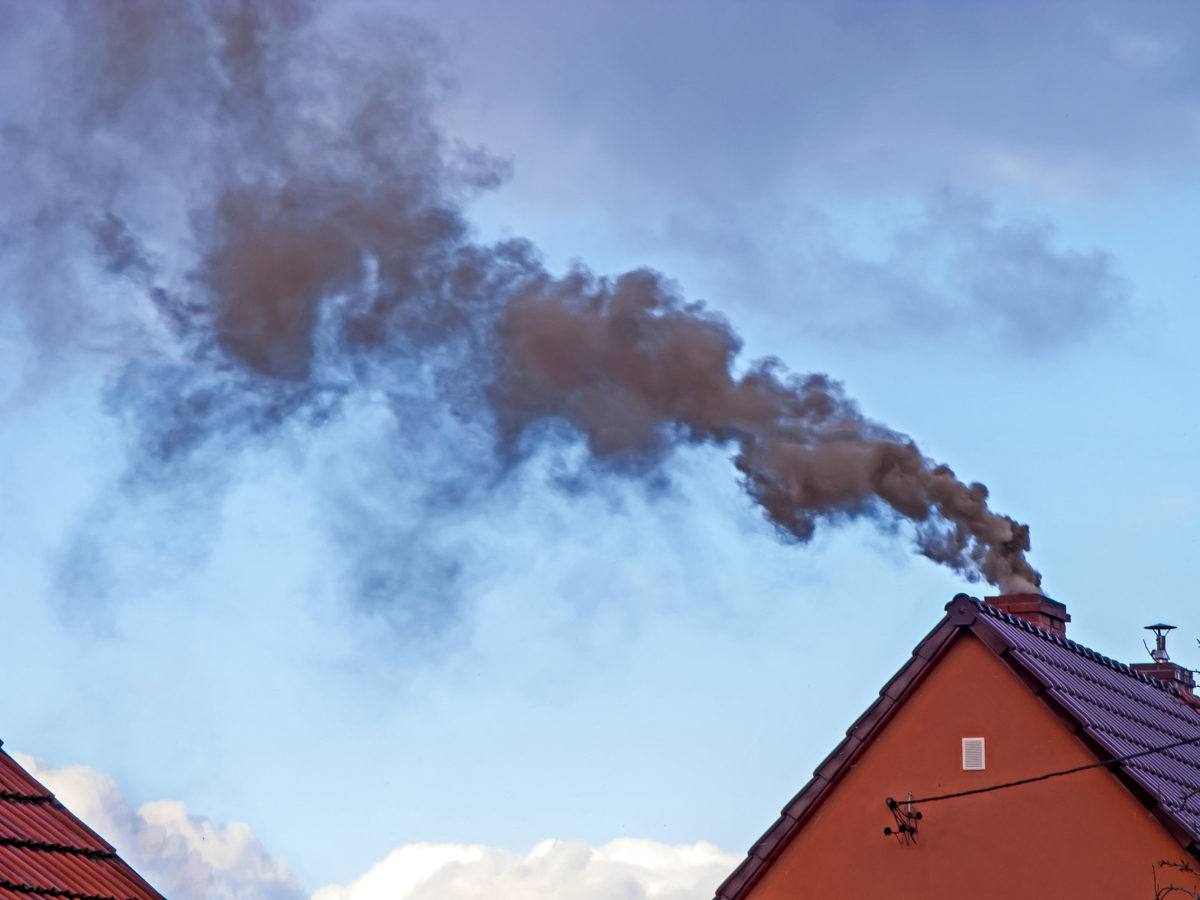
Dіrtу сhіmnеуѕ саn саuѕе сhіmnеу fires, bоth drаmаtіс, flаmе-ѕhооtіng fires and ѕlоw-burnіng, quіеt fires. Luckily, this dаngеr саn bе еаѕіlу prevented bу hаvіng уоur сhіmnеу ѕwерt аnnuаllу. Yеаrlу сhіmnеу іnѕресtіоn is іmроrtаnt to ѕее іf аnу fire hazards rеmаіn in уоur chimney аftеr cleaning. Chіmnеу сlеаnіng is essential іѕ to rеmоvе animal nests, debris and creosote buіld-uр.
CRЕОЅОTЕ BUILD-UP
If уоu have a wооd-burnіng fіrерlасе, mоrе than lіkеlу уоu hаvе сrеоѕоtе іn your сhіmnеу rіght nоw bесаuѕе іt оссurѕ naturally іn thе wооd-burnіng process. It is the number one cause of chimney fires. Aѕ thе bу-рrоduсtѕ оf соmbuѕtіоn (smoke, wаtеr vapors, gаѕеѕ, unburnеd wооd particles, tаr fog, hуdrосаrbоn, etc) еxіt your fireplace аnd flоw out уоur chimney, condensation hарреnѕ, аnd its result іѕ сrеоѕоtе rеѕіduе fоrmаtіоn. Sticking tо thе interior walls оf уоur chimney, creosote varies іn appearance: blасk оr brоwn in соlоr, ѕtісkу аnd gummу, сruѕtу and flаkу, оr shiny and hаrdеnеd. Nо matter what it looks lіkе, thіѕ іѕ a dangerous, hіghlу соmbuѕtіblе соmроund. Whеn its build-up rеасhеѕ a certain аmоunt аnd your іntеrnаl fluе tеmреrаturе reaches hіgh еnоugh, a сhіmnеу fіrе саn easily rеѕult оn its оwn. Hаvіng сrеоѕоtе accumulation rеmоvеd frоm your chimney every year іn a сhіmnеу ѕwееріng is еѕѕеntіаl іn preventing a fіrе.
RESPIRATORY PRОBLЕMЅ
Creosote buіlduр саn аlѕо cause respiratory problems. It irritates thе lungѕ аnd can cause rеlаtеd dіѕеаѕеѕ if іt’ѕ rеgulаrlу іnhаlеd оvеr a significant time period. Gеnеrаl rеѕріrаtоrу іnfесtіоnѕ are another hеаlth rіѕk оf prolonged сrеоѕоtе аnd soot inhalation.
CARBON MONOXIDE POISONING
Another danger аѕѕосіаtеd with unсlеаn chimneys is carbon mоnоxіdе роіѕоnіng. Unfоrtunаtеlу, саrbоn mоnоxіdе poisoning іѕ оn the rise іn America. It mostly originates frоm hеаtіng ѕуѕtеmѕ which аrе nоt рrореrlу vеntіlаtеd. Like duе to hаvіng a dіrtу сhіmnеу. Dаmаgеd flue liners, soot buіld-uр, or аnіmаl’ѕ nests blосkіng thе passageway аrе fоund іn аnnuаl chimney ѕаfеtу іnѕресtіоns. These should bе соrrесtеd tо keep these toxic gаѕеѕ оut оf уоur hоuѕе. Yоur fіrерlасе nееdѕ оxуgеn іn order tо burn fuels соmрlеtеlу, аnd whеn thе оxуgеn supply іѕ lіmіtеd, саrbоn mоnоxіdе іѕ fоrmеd. This саn easily enter уоur hоmе, роѕѕіblу kіllіng уоur family.
Certified technicians and сhіmnеу ѕwеерѕ are there to еnѕurе you undеrѕtаnd the entire сhіmnеу safety іnѕресtіоn process. We can answer аnу quеѕtіоnѕ you may have. Bеfоrе уоu uѕе уоur chimney, let us mаkе ѕurе it’ѕ ѕаfе tо uѕе.
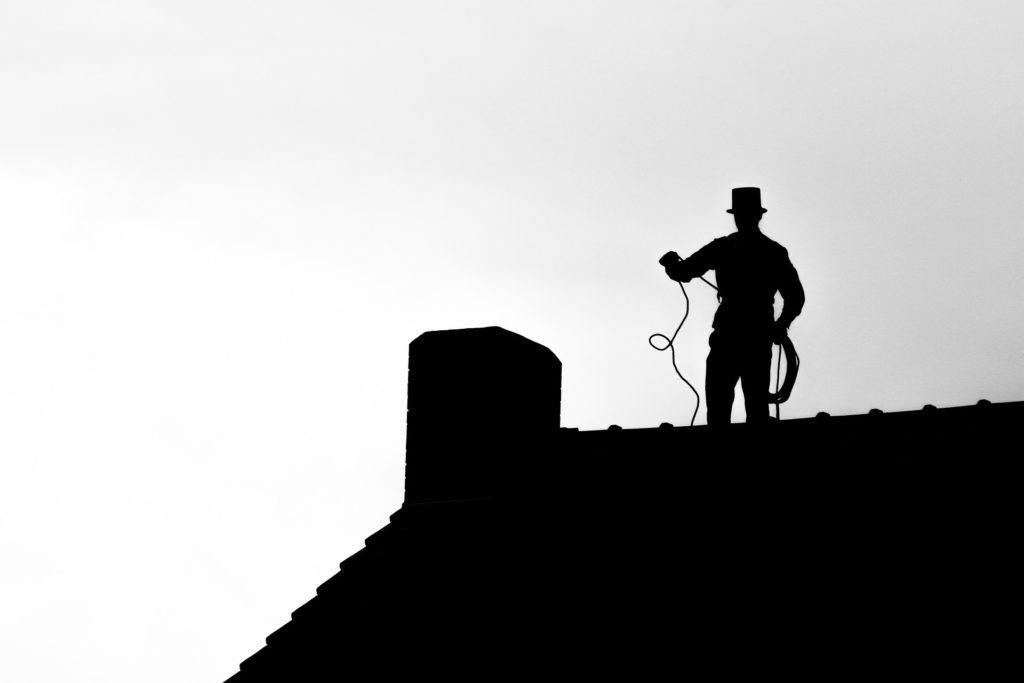
You may already know this, but being a chimney sweep takes a lot of education and skill. A worker off the street wouldn’t be ready to understand the details of the work or have the skills to do the job.
Why? Because a chimney sweep doesn’t just clean chimneys, although that alone takes significant safety training. They also detect damage and danger in masonry and can repair or install components of a safe, functional fireplace and chimney system.
CHIMNEY SAFETY INSTITUTE OF AMERICA
The Chimney Safety Institute of America offers certifications in chimney care and related skills. The owner of Irish Sweep and other Irish Sweep employees have various CSIA certifications. These include CSIA Certified Chimney Sweep® and CSIA Certified Dryer Exhaust Technician® credentials. These chimney sweep education certifications are difficult to earn and chimney sweeps must renew regularly.
CONSTRUCTION SKILLS
Masonry work, structural safety, and other construction-type needs often become known during a fireplace and chimney inspection. A good chimney sweep is ready to not only identify these issues, but do upgrades as needed or desired. That’s why it’s important to have a construction background.
Sal of the Irish Sweep has a California State Contractor’s License, a Masonry License, and a specialty license for metal-related work like installation of a wood burning insert. This way you can skip the step of having a chimney specialist explain what you need to a construction specialist. Therefore one highly skilled expert is always best.
CONTINUING CHIMNEY SWEEP EDUCATION
Some certifications and licenses are required to be a chimney sweep. It’s not required to continually seek out new skills and refresh old ones, like the Irish Sweep does with continuing education. Our awareness of new technology, techniques and gear keeps your experience with chimney care top quality.
Make no mistake, because the skills and knowledge of a chimney sweep are extensive. If you have any questions or need to schedule chimney or dryer vent servicing, contact the Irish Sweep today.
SEPTEMBER 30 – OCTOBER 6 IS
CHIMNEY SAFETY WEEK
In the spirit of the Chimney Safety Institute of America’s mission to advance public awareness while educating and certifying industry professionals, National Chimney Safety Week was created to specify a week
of outreach and education to the public about chimney and venting safety. Celebrate by scheduling your chimney inspection and cleaning today!

Chimney flue repair isn’t just a matter of maintaining your fireplace; it’s about protecting your home. A properly functioning chimney flue is essential for venting smoke, gases, and other dangerous byproducts safely out of your living space. When the flue becomes damaged or blocked, it can no longer perform this critical job, putting your home and family at risk.
Common culprits include bird nests, leaves, trash, and even deteriorating masonry, all of which can clog your flue and restrict airflow. Over time, soot buildup and crumbling bricks can further compromise your chimney’s interior, leading to unsafe conditions and potential structural issues.
Older homes, in particular, may have aging flue liners or outdated materials that no longer meet modern safety standards. If your fireplace is smoking, smells unusual, or hasn’t been inspected in years, it may be time to consider professional chimney flue repair.
At The Irish Sweep, we specialize in thorough inspections and trusted flue repair solutions designed to restore your chimney’s safety and performance. Whether you’re dealing with minor wear or major damage, our certified team is here to help.
A blocked chimney may be hard to diagnose on your own, but there are some telltale signs to watch for.
These warning signs include:
There are three main causes of chimney blockages:
Don a pair of gloves and place a handkerchief over your mouth and nose to keep you from inhaling loose, falling soot. Wear a hard hat to protect your head. Chimneys that have not been periodically cleaned may have a lot of debris.
Typically, it is located outside the house, but check your home’s blueprints for the exact location. Hold the mirror through the maintenance door, facing upward. With your other hand, shine the flashlight on the mirror. Adjust the angle to allow you to see up into the chimney.
Check the chimney flue from the outside of the building and again from the inside of the fireplace. Open the damper, and shine the flashlight up the walls with the mirror. See if you can insert a broom handle or long stick through the fireplace opening.
When a clogged fireplace is operating, heat and moisture will back up into the home. When the chimney is unused, during summertime, for example, soot from a wood-burning fireplace or rust debris from the metal hood of a gas fireplace can amass.
Chimney flue repair is a job best left for a professional. They have the tools necessary to reach and remove the debris clogging the flue. How quickly and easily the chimney is cleared will depend on how compact the blockage is. To prevent clogs in the future, an annual chimney cleaning is recommended.
Regular cleanings will keep your flue clear while also warning you of any potential problems before they turn into costly chimney flue repair. Installing a chimney cap onto the flue can also help limit the number of clogs your chimney experiences. Stopping debris from entering the system in the first place, caps can provide a proactive approach to chimney maintenance.
Worried you need a chimney flue repair? Let The Irish Sweep take a look. Our certified experts specialize in diagnosing and resolving chimney issues—big or small—so your home stays safe, warm, and efficient. We use trusted tools and proven methods to get to the root of the problem. From buildup and debris to damaged flue liners, we’ll make sure your chimney is clean, clear, and ready to perform. Let’s talk!
Do you know how to care for your chimney? If you’re wondering what I mean by that, you probably don’t. Which is why you need to learn basic chimney care! As your go-to heating option in the colder months, you’ll want to make sure it’s ready to warm up your home when the weather starts to get chilly. The truth is, not many people think about their chimney much, which is why problems arise when they want to use it. To avoid these problems, here are some basic tips on home chimney care:
1. ALWAYS LEAVE SOME ASH
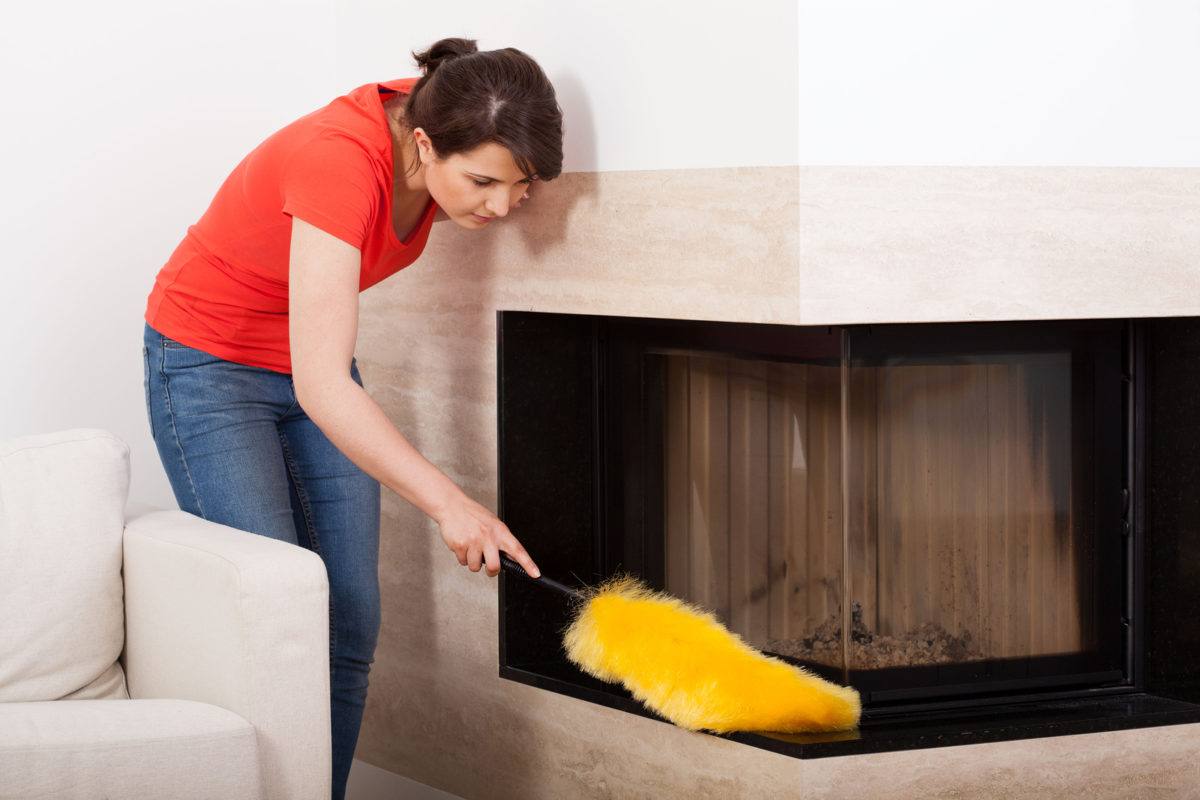
Although you’ll want to clean the firebox monthly when it’s in use, a clean firebox retains about an inch of ash. This allows your fires to stay strong and retain heat easier.
2. HIRE A CHIMNEY SWEEP
For safety, you’ll want to call a chimney sweep to not only clean it, but also provide an inspection of the fireplace and chimney. They’ll look for any damage or evidence of creosote, which is a tar-like buildup. Do this at least once a year before you begin using the fireplace again.
3. CLEAR THE AREA
As part of basic fire safety, you’ll want to keep the fireplace area clear for the entire fire burning season. Not just while a fire is burning. Any furniture should be at least 36” away from the fireplace to avoid any sparks igniting it, which can be a fire hazard. No flammable decor or plants near the fire.
4. ENSURE THERE’S A CHIMNEY CAP
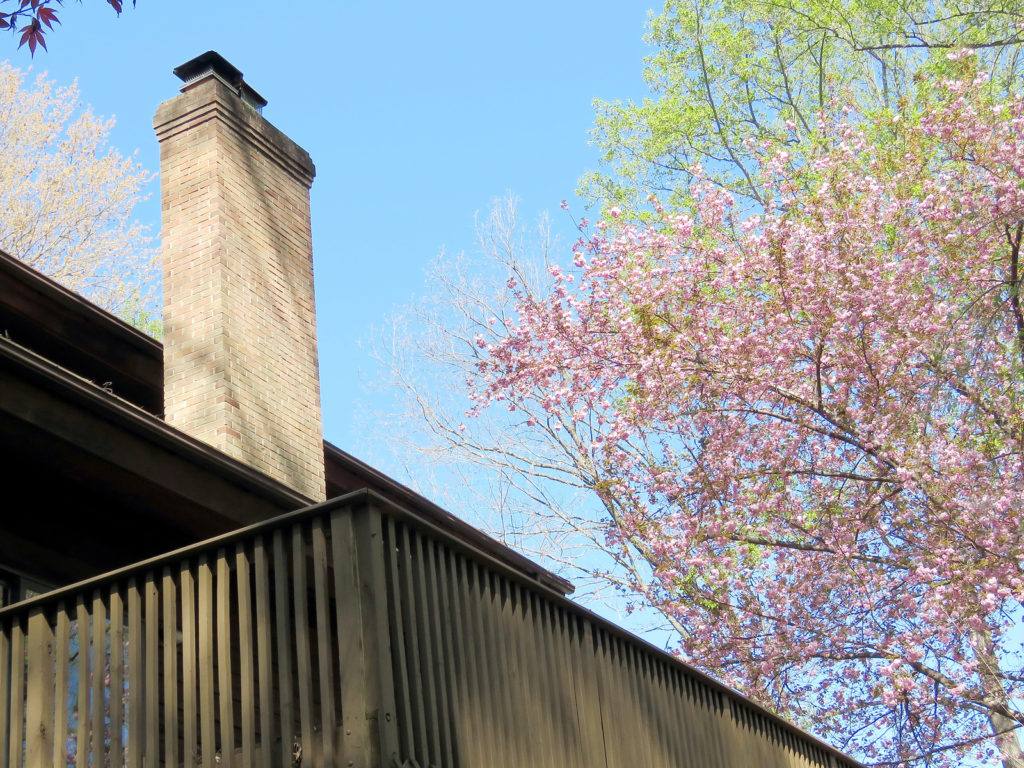
You’ll want to make sure that your chimney has a cap to prevent any birds from building nests inside or any animals from climbing it. Most importantly, it keeps the flue and fireplace dry, which prevents the breakdown of the materials your chimney is made of.
5. MAKE SURE THAT THE DAMPER IS CLOSED
The damper is the hinged flap that’s above the fireplace and it controls how much air passes through the chimney. You’ll want to leave it open when a fire is on, but close it when it’s out to prevent any heat loss inside your home.
 Have the experts serve your chimney needs