The Irish Sweep is still accepting calls to answer questions and schedule any service needs. However, no on-site visits are currently being conducted pursuant to the government's stay in place order. Please feel free to contact us at 510.521.4088 to get answers to your questions or schedule a future appointment.

Why Remove An Old Chimney?

The reasons for removing an old fireplace and chimney removal Bay Area may vary. Maybe the chimney is damaged, or you just do not use it often enough? A chimney and fireplace add character and warmth to a home, but there is more to these architectural features than cozy aesthetics.

Here are some reasons that some people choose existing fireplace and chimney removal:

LACK OF UTILITY

These fireplaces are often relics of a different time when fires were the only source of heat in a home. Modern families are increasingly less likely to use a fire. Fireplaces are often nothing more than an ornamental feature in a room, and the chimney is just a place for heat and cold to pass through. 

CHIMNEY REMOVAL BAY AREA FREES UP VALUABLE SPACE

Maybe your home lacks storage, has cramped living space, or you just want more free room. Removing a fireplace can give you the space you want. You can often remove a fireplace inside the building, leaving the chimney stack intact above roof level. This can free up valuable floor space inside.

KEEPING IT MAY BE AS COSTLY AS FIREPLACE AND CHIMNEY REMOVAL BAY AREA

Removing an old chimney and fireplace is one way to avoid costs. Cost like repairing your current chimney, upkeep and future maintenance, and also save you on utilities by increasing your effective insulation.

Weigh up the cost of repairing and retaining a fireplace/chimney in working order. The cost of installing, repairing or maintaining new hearths, chimney linings or flues may well equal to or even more than the cost of removing an old one. 

SAFETY REASONS

Older chimneys, especially brick ones, can pose an earthquake danger. For a family that doesn’t gain much joy from their fireplace, the risk of a falling chimney is not worth taking. To fulling understand the likelihood of your chimney falling in an earthquake, schedule a safety inspection with professionals like The Irish Sweep.

If you’re considering removing your fireplace or chimney, you have options. You can install a gas fireplace, have no fireplace, or build a new one, depending on the architecture involved. If you have any questions or concerns, call us today.

IT’S CHIMNEY SAFETY WEEK STARTING SEPTEMBER 30

SEPTEMBER 30 – OCTOBER 6 IS
​CHIMNEY SAFETY WEEK

In the spirit of the Chimney Safety Institute of America’s mission to advance public awareness while educating and certifying industry professionals, National Chimney Safety Week was created to specify a week

of outreach and education to the public about chimney and venting safety. Celebrate by scheduling your chimney inspection and cleaning today!

Lafayette Chimney Cleaner

Chimney Flue Repair: Why It Matters for Your Home’s Safety

Chimney flue repair isn’t just a matter of maintaining your fireplace; it’s about protecting your home. A properly functioning chimney flue is essential for venting smoke, gases, and other dangerous byproducts safely out of your living space. When the flue becomes damaged or blocked, it can no longer perform this critical job, putting your home and family at risk.

Common culprits include bird nests, leaves, trash, and even deteriorating masonry, all of which can clog your flue and restrict airflow. Over time, soot buildup and crumbling bricks can further compromise your chimney’s interior, leading to unsafe conditions and potential structural issues.

Older homes, in particular, may have aging flue liners or outdated materials that no longer meet modern safety standards. If your fireplace is smoking, smells unusual, or hasn’t been inspected in years, it may be time to consider professional chimney flue repair.

At The Irish Sweep, we specialize in thorough inspections and trusted flue repair solutions designed to restore your chimney’s safety and performance. Whether you’re dealing with minor wear or major damage, our certified team is here to help.

Warning Signs of a Blocked Chimney

A blocked chimney may be hard to diagnose on your own, but there are some telltale signs to watch for.

These warning signs include:

  • A smoky smell when burning a fire
  • Falling debris inside the hearth
  • Water streaks inside the flue
  • Excessive soot
  • White residue on the flue walls

What Can Cause a Chimney Blockage?

There are three main causes of chimney blockages:

  • An excessive build-up of soot or creosote (tar)
  • Birds, squirrels, or other small animals nesting in the chimney
  • The collapse of the internal chimney bricks

Inspecting Your Chimney

1. Wear a Safety Mask and Goggles for Eye Protection

Don a pair of gloves and place a handkerchief over your mouth and nose to keep you from inhaling loose, falling soot. Wear a hard hat to protect your head. Chimneys that have not been periodically cleaned may have a lot of debris.

2. Open the Chimney’s Maintenance Door

Typically, it is located outside the house, but check your home’s blueprints for the exact location. Hold the mirror through the maintenance door, facing upward. With your other hand, shine the flashlight on the mirror. Adjust the angle to allow you to see up into the chimney.

3. Inspect the Chimney Flue

Check the chimney flue from the outside of the building and again from the inside of the fireplace. Open the damper, and shine the flashlight up the walls with the mirror. See if you can insert a broom handle or long stick through the fireplace opening.

4. Feel the Heat

When a clogged fireplace is operating, heat and moisture will back up into the home. When the chimney is unused, during summertime, for example, soot from a wood-burning fireplace or rust debris from the metal hood of a gas fireplace can amass. 

Chimney Flue Repair

Chimney flue repair is a job best left for a professional. They have the tools necessary to reach and remove the debris clogging the flue. How quickly and easily the chimney is cleared will depend on how compact the blockage is. To prevent clogs in the future, an annual chimney cleaning is recommended.

Regular cleanings will keep your flue clear while also warning you of any potential problems before they turn into costly chimney flue repair. Installing a chimney cap onto the flue can also help limit the number of clogs your chimney experiences. Stopping debris from entering the system in the first place, caps can provide a proactive approach to chimney maintenance.

Schedule an Inspection

Worried you need a chimney flue repair? Let The Irish Sweep take a look. Our certified experts specialize in diagnosing and resolving chimney issues—big or small—so your home stays safe, warm, and efficient. We use trusted tools and proven methods to get to the root of the problem. From buildup and debris to damaged flue liners, we’ll make sure your chimney is clean, clear, and ready to perform. Let’s talk!

EARTHQUAKE PREPAREDNESS: A GUIDE TO HOME SAFETY

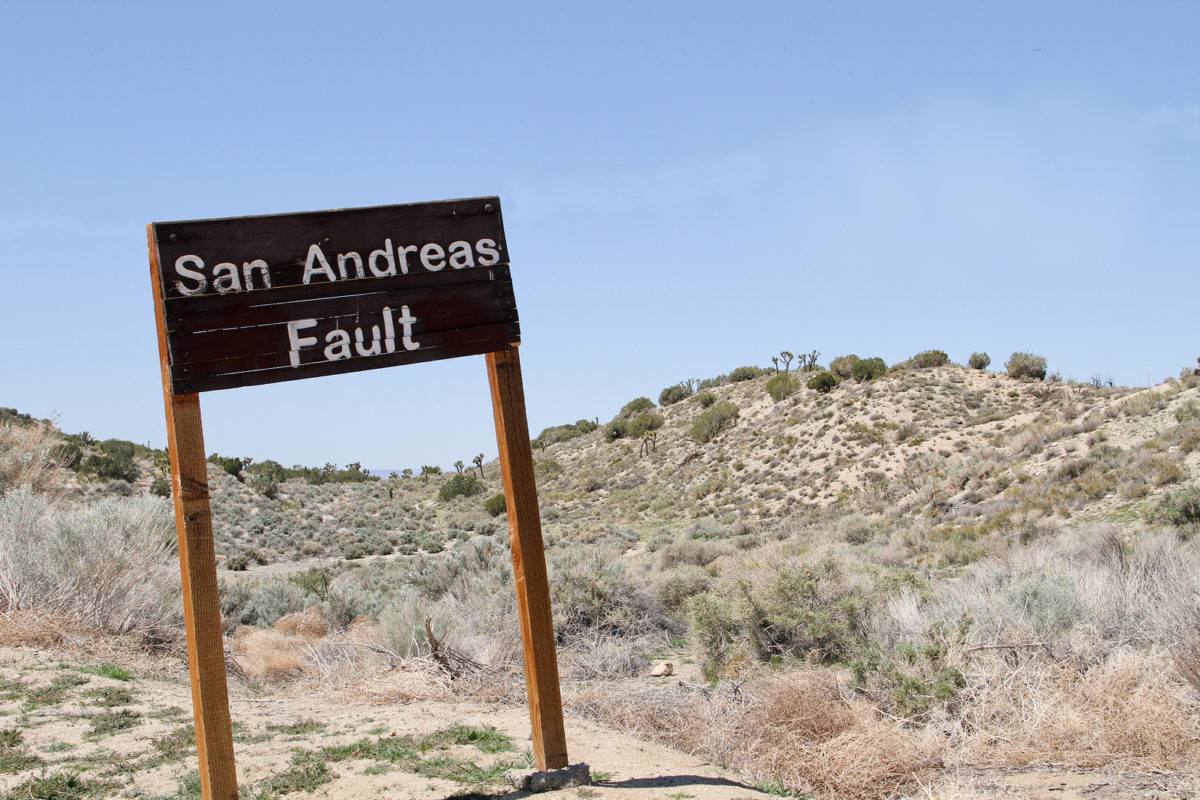
Earthquake preparedness is a Californian duty. We don’t know when earthquakes will happen, but we do know we live in an area where they do happen with some regularity.

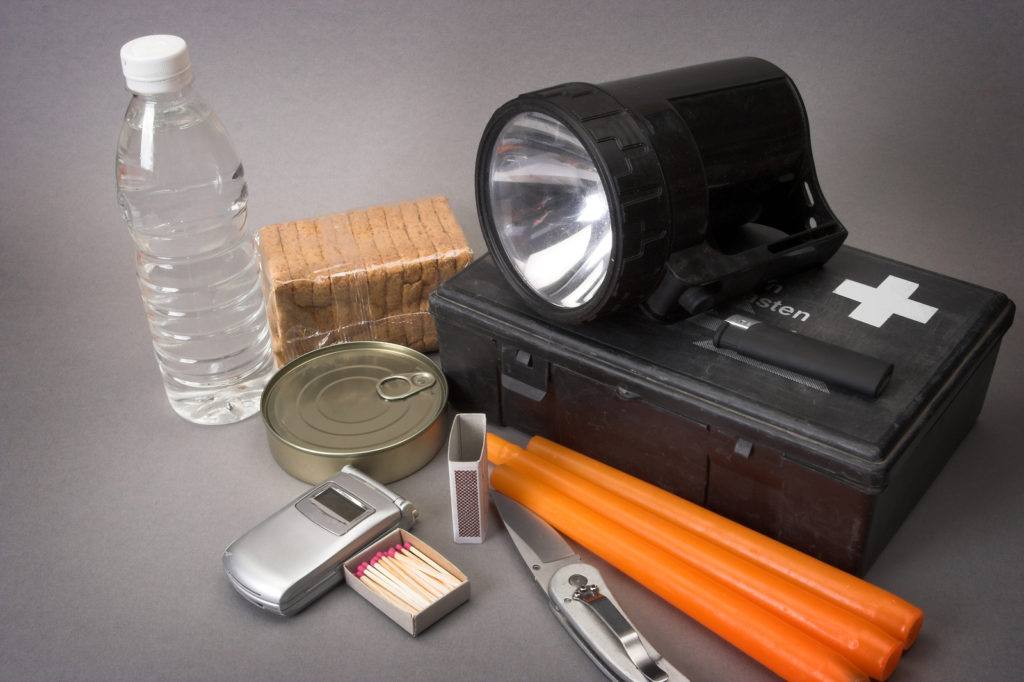
It’s easy to let years slip by since the last time you evaluated your earthquake kit. Or maybe you don’t have one? Some things to consider about earthquake kits is that they are not evacuation bags or “bug out bags”. You can assume that in an Earthquake you can stay in your home, or at least not have to go far. What you need to plan for is possibly long periods of time without electricity, and possibly without working plumbing or natural gas, as sewage systems may be damaged, or gas may be turned off for safety.

HERE’S WHAT YOU SHOULD CONSIDER FOR EARTHQUAKE PREPAREDNESS:

FRESH WATER

Store enough unopened jugs of water for about a gallon per person per day according to the Centers for Disease Control and Prevention. Three days is usually considered generous. Don’t forget, we don’t just drink water, we cook with it, wash dishes and ourselve with it, and more. Even though bottled water generally has a one to two year expiration date on the package, there’s no reason for it to become unusable unless the package is opened or damaged. Do not drink distilled water unless there is no other option, and not for long periods. Purified, filtered or spring water is fine.

FOOD SUPPLIES

Having fresh food it the refrigerator does you no good when the fridge has no power. For the special occasion of feeding your family after a sizeable earthquake, you’ll want to have non-perishable food set aside. You can pack cans of tuna and boxes of crackers, but you’ll likely be happier with dehydrated meals that can be rehydrated. They tend to taste a lot better than the dry goods and canned meats.

FIRST AID KIT

A well-stocked first aid kit can be bought in many stores, and the pre-stocked variety like this works just fine. No need to put together your own selection of bandages and medications. When selecting your first aid kit, do consider how many people it needs to serve. And make sure to periodically remove expired items and replace them with fresh ones.

LIGHTING

After an earthquake, power is often out. Flashlights or headlamps for everyone in the home, plus one lantern is usually a good amount of lighting. Even if you only spend one night without electricity, it’s hard to enjoy your evening in a completely dark home.

A RADIO

Either a transistor radio or a hand-crank powered radio is a good choice. In an emergency, your internet router will likely be down, and the radio is a reliable way to access news and information. This can help you know where to get supplies if needed, prepare for the weather, or know how when to expect power to come back on.

EXTRA BATTERIES

Extra batteries will serve you well, but don’t just put aside an hodge-podge of options. Choose the specific type of batteries needed for each other item in your Earthquake Kit: your radio, headlamps, lantern, flashlights, and anything else in the group. Have a larger amount of the batteries you expect to go through fastest.

STRUCTURAL SAFETY

Chimneys that are either known to be damaged, or whose structural integrity is unknown, are dangerous in an earthquake. This is because they can fall and hurt or kill people either indoors or outdoors. Don’t take this risk, have your chimney inspected by a professional with a camera to view its interior. If structural flaws are found, reduce risk by having them repaired immediately.

FAMILY PLAN

This is extremely useful in earthquakes as well as other emergencies. To create your family plan, gather everyone who lives with you and agree on what you’ll do after an emergency. This should include when, where, or how to meet up if you’re not together. Also who’s responsible for accounting for pets or young kids, who’s going to check on older relatives near by, or anything else. A great start is declaring a physical place to meet in an emergency that is outdoors and not under power lines or tall buildings.

With the right preparation, the hours and days after a large earthquake can be safe and even organized. You’ll be glad you had taken steps to create order and minimize risk in advance.

WHEN SHOULD YOU REPLACE YOUR CHIMNEY?

When you think about home improvements, your chimney may not be something you think about. However, like many other things in you home, it can break down and need replacement. But how do you know when you should replace your chimney since it’s usually not something on your repair list? Well, it all depends on the condition of your chimney.

Chimneys are very sturdy, but they still need some TLC every now and then to functional properly. And if your chimney is in really bad shape, it might be time for a chimney replacement. To see if your chimney needs fixing or replacement, it’s recommended that you do an annual check, usually in a

season that you won’t be using your fireplace. You’ll also want to check it out after any severe weather like hail storms or hurricanes.

We’ve rounded up a few obvious signs to check for yourself, right after you schedule a professional chimney inspection.

1. A DAMAGED CHIMNEY CROWN

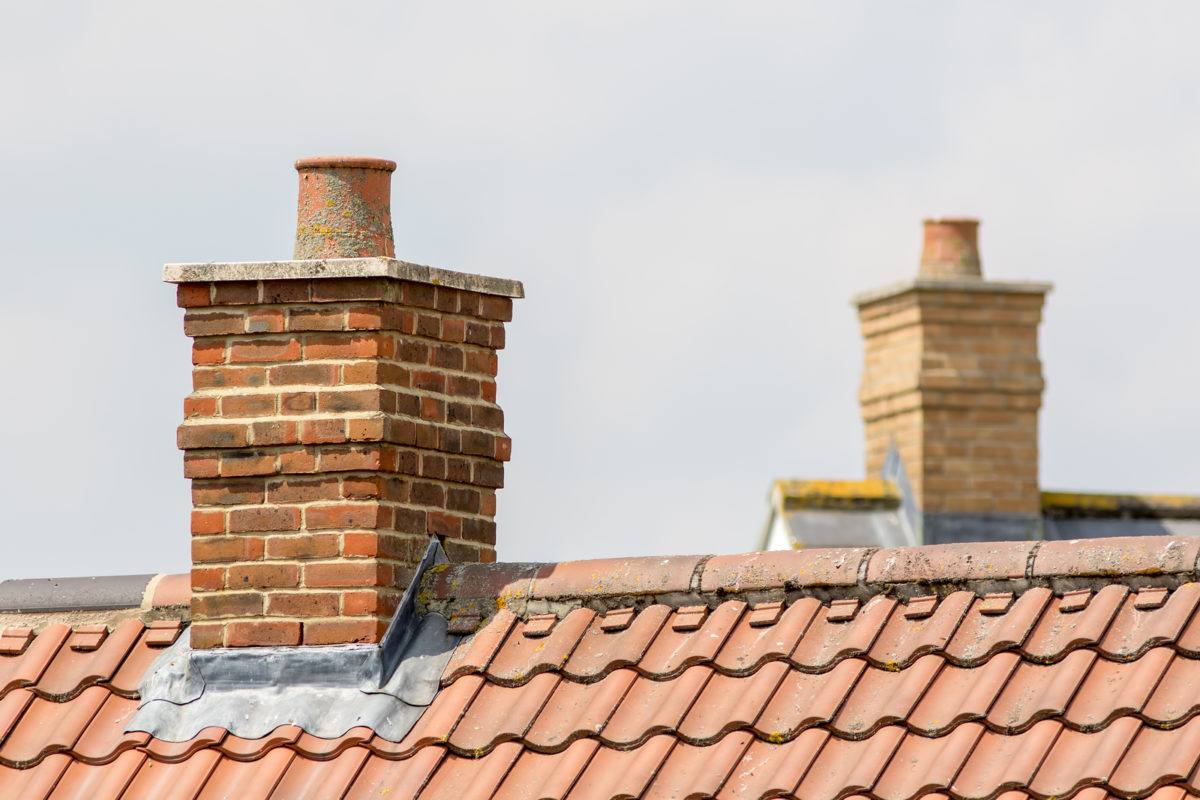
The crown of your chimney is a vital piece of masonry as it protects the chimney from anything that might fall into it (expect for directly above the flue). It keeps out water and weather damage and takes a beating. If it’s injured, the damage can spread down the chimney, resulting in a complete rebuild. It can also degrade and crack due to age, which can be a disaster for the chimney.

2. WHITE SALTS ON BRICKS

White bricks can mean water damage inside the bricks, which pulls out the natural salts and minerals to the surface of the bricks. The white staining can wash off easily, but if comes back, you’ll definitely need to call a professional to come in and help.

3. SPALLING OR SHALING

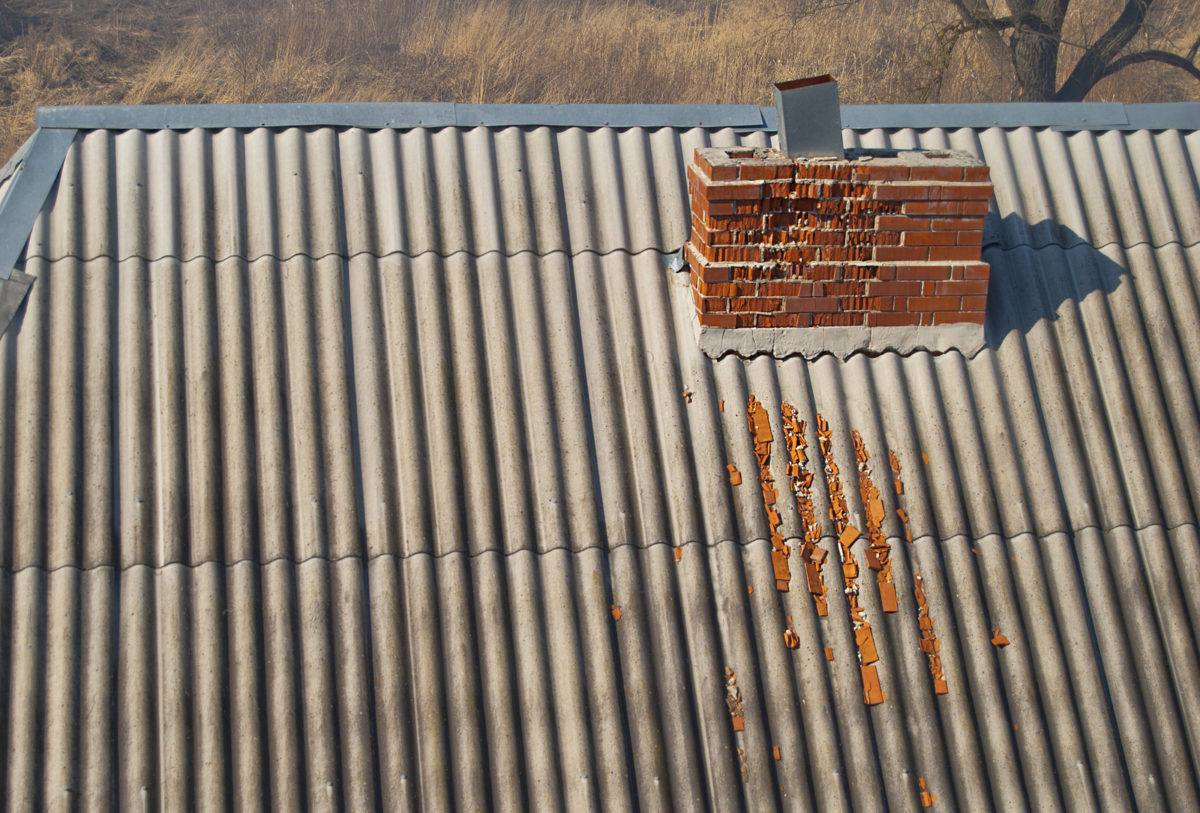
Spalling is the result of water entering brick, concrete, or natural stone. It forces the surface to peel, pop out, or flake off. Spalling can eventually cause crumbling and destruction of a structure. If you have spalling bricks, it means your chimney is damaged and will need to be rebuilt. You’ll want to call a professional ASAP.

Shaling is also caused by water, but describes what happens to affected tiles. If you notice that tiles or pieces of tiles fall into your fireplace, this is shaling. You’ll definitely need a chimney replacement if you see this!

4. NO CHIMNEY CAP

The chimney cap is like a little hat worn by the flue, to keep debris and water out. Some chimneys don’t have a cap and the ones that do can lose them from time to time. If your chimney doesn’t have one, it’s because it’s most likely sustained some damage at one point. The cap acts as the first line of defense and you’ll want to call a professional for an inspection before any damage gets worse, needing a full chimney replacement.

EARTHQUAKE FACTS HOMEOWNERS SHOULD KNOW

Normally, it’s not the shaking ground itself that claims lives during an earthquake. It’s the associated destruction of man-made structures and the other natural disasters earthquakes cause such as tsunamis, avalanches and landslides. In a city, your biggest earthquake threat is often the safety of your own home.

CHIMNEY DANGER

One structural engineer told the SF Gate: “Masonry chimneys are perhaps the most urgent earthquake hazard in older homes. The problem is that they’re likely to fall in even a modest shake. A rule of thumb is that brick chimneys extending more than 1 1/2 times their least width above the roof pose a hazard of collapsing above the roof, not to mention any possible hazard they may pose below the roof level. That’s less than 2 feet for a typical 14-inch-wide chimney.”

Be sure your chimney is safe, or have it removed. Simple as that.

GAS LINES

After an earthquake, damage to your gas lines can mean a gas leak on your property. Which you won’t detect, because you’ll have evacuated! Best case scenario, your home stinks and you have to air it out. Worst case scenario, it goes up in a fireball. To avoid the whole problem, consider having an earthquake gas shut off valve installed, if you don’t already have one.

EARTHQUAKES AREN’T JUST FOR HUMANS

Most of us know to have a first aid kit, supplies, and an emergency plan for the humans in the house. Do you have an appropriate first aid kit for your parrot, ferret, or dog? What about emergency food set aside? Do you have a “save our pets” decal in your window, just in case? Be sure to include pets in your emergency planning.

FEMA HAS A PREPAREDNESS CHECKLIST

Many families try to make their own checklist or plan for earthquake preparedness. There’s nothing wrong with that, but it’s extremely unlikely you’ll come up with a more thorough and useful document than this Compiled by the Federal Emergency Management Agency, this is more than a list. It includes diagrams that teach helpful skills, and much more.

DROP, COVER, AND HOLD

The old wisdom was that doorways were the safest place to be indoors during an earthquake. That is no longer true in most buildings, especially buildings in earthquake prone areas, or new construction. Now Your safest place to be is near the ground, under something solid. The new mantra is drop, cover, hold. Drop to the ground, gain cover by going under a table or other furniture, and hold onto your protective cover with one hand, protect your neck with the other.

© Copyrights 2026 The Irish Sweep All Rights Reserved.