The Irish Sweep is still accepting calls to answer questions and schedule any service needs. However, no on-site visits are currently being conducted pursuant to the government's stay in place order. Please feel free to contact us at 510.521.4088 to get answers to your questions or schedule a future appointment.

CHIMNEY REPAIRS

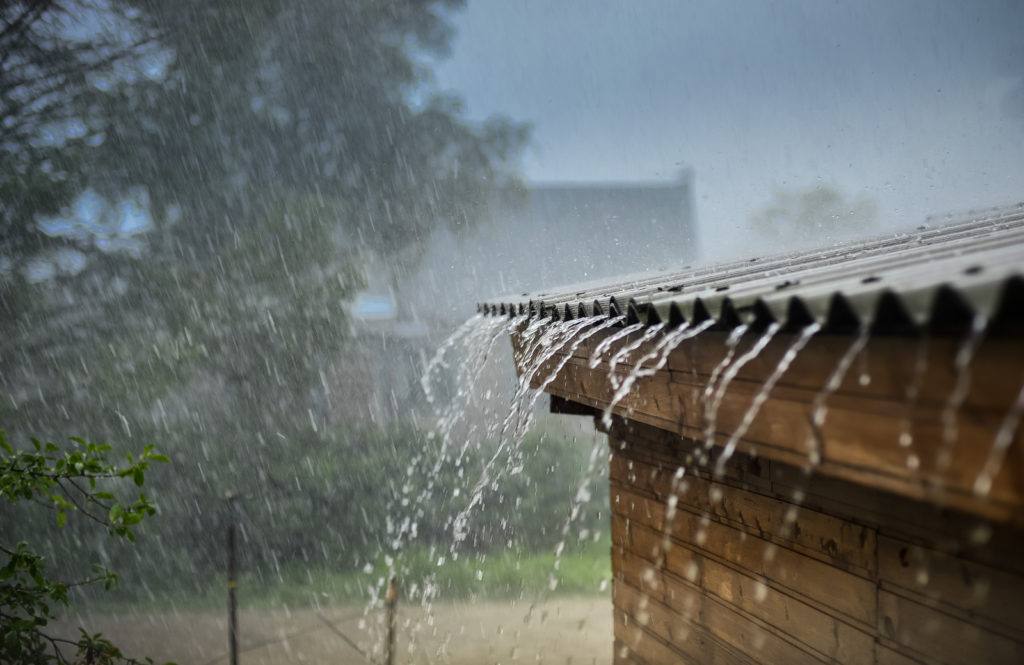
The winter rains can cause a lot of damage and destruction. While your fireplace can keep you warm, it is also subject to harm during the cold season. An annual chimney inspection may uncover hidden water damage from these rains or obvious masonry repairs maybe noticeable. The summertime is an ideal time to make such fixes while the weather is good.

CHIMNEY INSPECTION

When we have a winter like the one we had with record rainfall, a chimney inspection is even more critical than ever. Add to this is the recent earthquakes. These combine to create a combination of scenarios where cracks may lead or have lead to water damage. Along with this, long winters also lead to higher use of chimneys which cause higher levels o buildup of creosote. This is your fireplaces enemy and can lead to safety hazards and corrosion.

Thus, the first thing you should do after a winter with high rain and cold spells is to schedule a chimney inspection before a new winter. This is a lot easier to do over the summer so you don’t have to try to schedule it in the middle of a cold spell. In addition, if repairs are needed, the rain won’t slow down the repair service.

CHIMNEY REPAIRS

As we discussed, a harsh winter makes chimney inspections even more important to identify chimney damage. Just like with most repairs, time can make the condition worse. Thus, it is imperative that you start repairs as soon as possible.

Since we are approaching Fall, the timing for repairs has become even more critical. It is a huge safety risk to have a damaged chimney or fireplace. Should you start a fire and your chimney is damaged, it could lead to even bigger problems like water seeping into parts of your home from winter rain or even a fire getting ignited.

REPLACING MASONRY

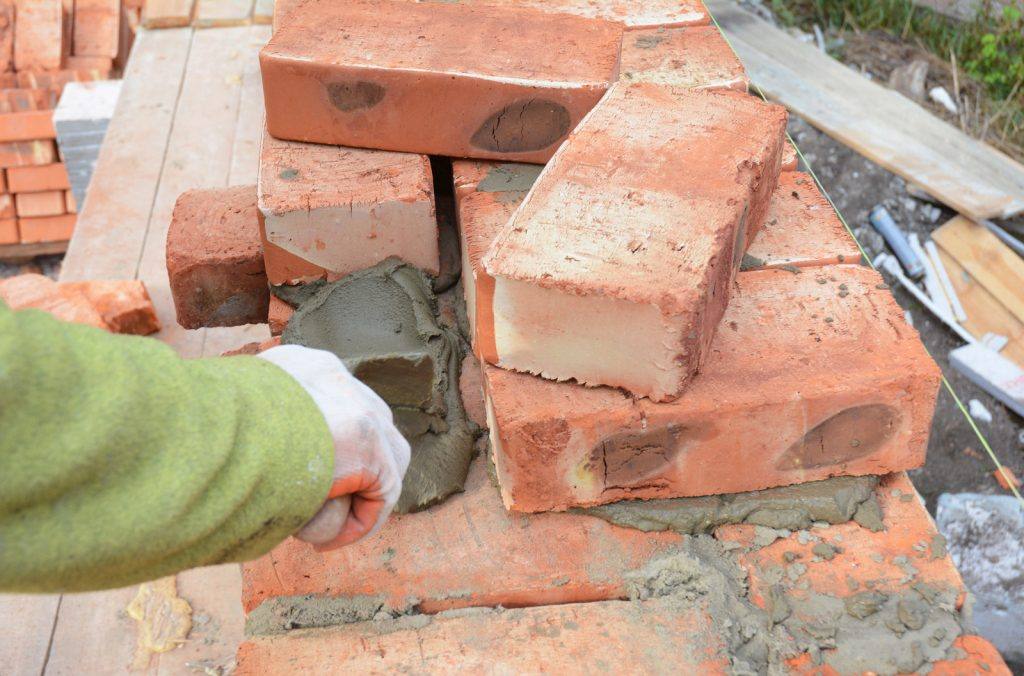
One are where damage may exist is the masonry. Most of the time, this can solved by replacing damaged masonry. It is critical to use the proper materials to fix it or you could damage the underlying integrity of the chimney.

OTHER REPAIRS

Some other areas that may need repairs are the flue, liner, firebox, or smoke chamber. Each of these poses its own hazards. Inspections can identify any harm so you can get it remedied quickly.

Call The Irish Sweep if you are uncertain of the damage or have chimney repairs you need done before the next set of winter storms.

How Rain Affects a Chimney Without Cap

April showers bring May flowers, right? Well, they can also bring leaky chimneys! If you have chimney without cap, you’re in for a wet time. You’ll start seeing symptoms of leaks during spring and summer, and even chimneys that’ve never had problems before can leak.

YOUR CHIMNEY WITHOUT CAP

Chimneys are complex structures and are always exposed to the weather. They aren’t designed to go with chimney without cap, but not everyone knows this. Because chimneys are always exposed, rain water, leaves, feathers, and all sorts of things can fall into them and build up or cause damage.

The entrance of rain into your chimney may not sound very dramatic to you. But when the masonry and other components in your chimney degrade and lose stability, or lose fire proofness, it becomes dramatic. Wetness can cause spalling and crumbling brickwork, and things like leaves that fall into your chimney are a fire hazard.

WHY GET A CHIMNEY CAP?

The top reason is to prevent damage to your home. To prevent water coming in, part of a chimney cap acts like an umbrella, and a screen section prevents the debris from falling in or sparks from floating out.

Don’t worry about a chimney cap affecting your draft. If your chimney cap has sufficient clearance and you keep it clean, it will either not affect your chimney draft or improve it. When wind blows, the convex shape of the cap creates a slight vacuum at the top of the flue so your chimney should draw better with the cap in place. Some chimney caps are even specifically designed to improve chimney draft!

IF YOU SEE WATER COMING IN, IT COULD ALSO BE DUE TO: FLASHING

If your chimney flashing starts to wear down, water can get in. Flashing is a tight strip inside your chimney that seals the seam between your roof and chimney to prevent water coming in. If the flashing is damaged or loses its seal due to age or wear and tear, water will get through the gaps. This can in turn water damage to the roof, chimney, ceilings and walls. Metal flashings are preferred over mastic flashings.

INCORRECT CHIMNEY CAP

Water can get in if the chimney cap doesn’t fit well. Chimney without cap that fits, the fireplace and flue are completely exposed to water from the rain. An ill-fitting cap is barely better than no cap at all.

MASONRY DAMAGE

Because your chimney is directly exposed to rain, the masonry components will deteriorate over time. Water can cause bricks to spall and crack (letting in water), in addition to making your chimney look unkempt.

You may know your chimney is leaking because you see visible water in the flue or fireplace. But because of the complexity and size of many chimney systems, leaks can easily go undetected for a while. You might not even know there’s water damage until significant damage has already been done.

To prevent chimney leaks, it’s best if you call in a professional for annual Irish Sweep chimney sweepings and inspections. We’ll be able to detect any damage so that you can get it fixed before the chimney starts to leak!

INSERTS, WHAT ARE THEY?

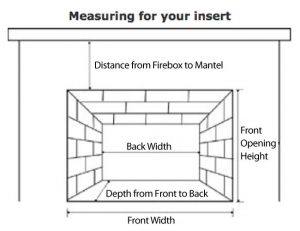
Inserts are either gas or wood burning, could be pellet but we see very few of these in the Bay Area.  They are a highly engineered metal box, fabricated in a factory and designed to be clean burning and they slide into the firebox of either a masonry or factory built fireplace.

The manufacturer of each of these inserts will specify the venting materials required for the insert, the clearances to combustibles and provide installation directions for each model they manufacture.  These appliances have all been tested and approved by some testing laboratory.

SPOT THESE 4 SIGNS YOU NEED CHIMNEY MASONRY REPAIR

Chimney masonry repair helps to correct damage and restore the structure to the bricks and mortar of your best chimney. While masonry repair is an essential task to keep your chimney safe, many homeowners don’t know how to recognize the signs that a chimney masonry repair is due. Here we look at 4 key signs that you need a chimney masonry repair.

Continue reading “SPOT THESE 4 SIGNS YOU NEED CHIMNEY MASONRY REPAIR”

CONTINUING EDUCATION

At the Irish Sweep, we strive to stay ahead of the latest information and details in our industry through continuing education.  The owner, Sal McKnight, attended a class over the weekend that was taught by Bob Ferrari, a master outdoorsman.  During the seminar, Sal learned some

Continue reading “CONTINUING EDUCATION”

CHIMNEY REPAIRS: 7 SIGNS TO LOOK FOR

Chimneys keep you warm and can provide a home with a beautiful focal point. However, they can hold hidden dangers and it’s important to regularly check for these signs. Failure to do so can lead to very expensive, dangerous, and preventable conditions.

Continue reading “CHIMNEY REPAIRS: 7 SIGNS TO LOOK FOR”

© Copyrights 2026 The Irish Sweep All Rights Reserved.