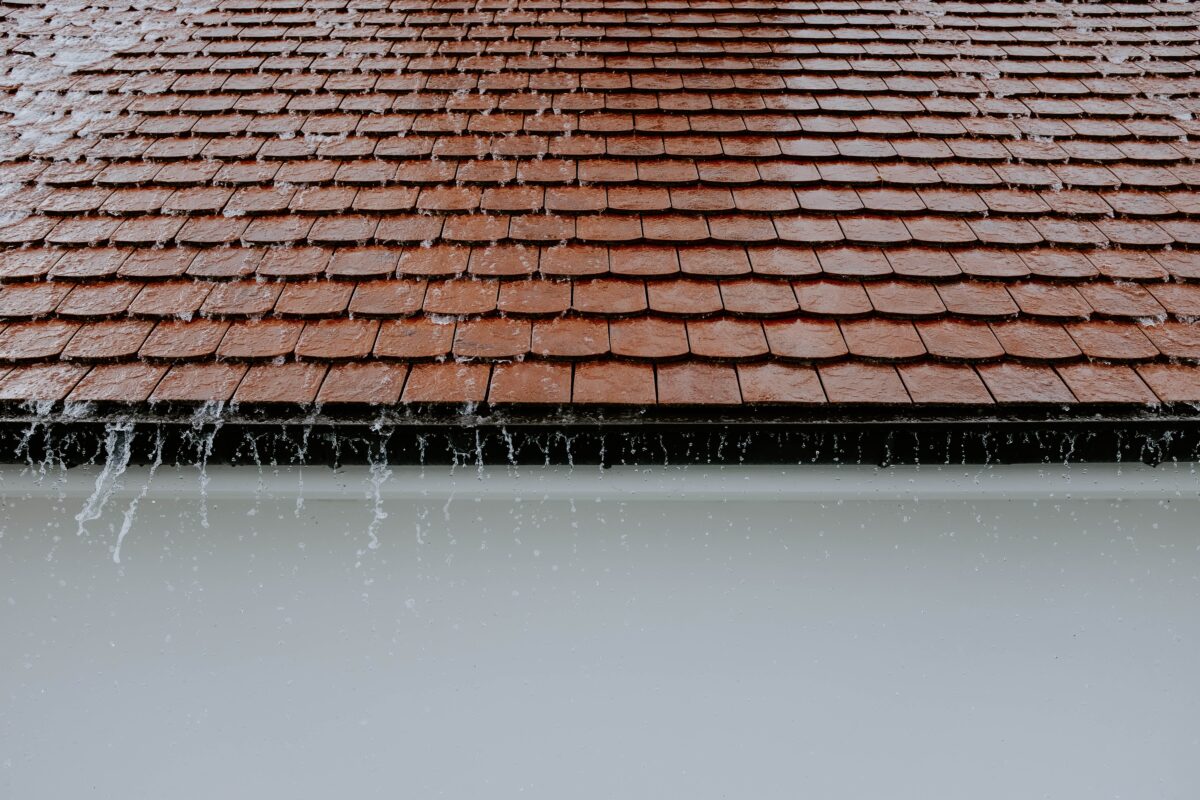

A chimney water leak can start long before anyone notices a problem. Maybe the plaster near the fireplace feels a little soft, or there’s a faint patch of discoloration after it rains. These details are easy to dismiss, but they often point to something deeper. When water seeps into a chimney, it doesn’t stay put: it spreads through brick, mortar, and metal, wearing down the structure.
What begins as a bit of moisture can escalate into a much larger issue: damaged flue liners, crumbling masonry, or even mold growth inside the home. Wet weather makes the situation worse. And as we enter the rainy season in the Bay Area, it’s crucial to be aware of the signs.
Taking the time to understand how a chimney water leak starts, and what to do about it, can save a homeowner from costly repairs later. The first step is recognizing the early warning signs and knowing why proper waterproofing makes such a difference.
Warning Signs of a Chimney Water Leak
A chimney water leak can go unnoticed for months because the early signs don’t always appear where you’d expect. By the time water drips into the fireplace or stains show up on the ceiling, the damage has often spread inside the structure. Knowing what to look for early helps you act before repairs get complicated or expensive.
-
Damp or Discolored Walls Near the Fireplace
If you notice dark patches, bubbling paint, or soft plaster around your chimney or mantel, water may be seeping through cracks in the masonry or the flashing where the chimney meets the roof. Discoloration can signal ongoing moisture intrusion behind the surface.
-
Musty or Smoky Odors
Moisture can mix with creosote and soot deposits, creating a persistent, earthy smell that intensifies after rain. This odor is often one of the first clues of a chimney leak, especially if it lingers long after the fireplace has cooled.
-
White Powder on Brick or Masonry
A chalky white residue, called efflorescence, appears when water evaporates from brick and leaves behind salt deposits. It’s a sure sign that moisture is moving through the masonry.
-
Rust on Metal Components
Rust around the damper, firebox, or chimney cap means water has already found its way in. Left untreated, this corrosion can lead to stuck dampers, weakened grates, or even safety hazards during use.
-
Crumbling Mortar or Spalling Brick
When bricks start flaking or the mortar feels sandy to the touch, water penetration is likely the cause. As moisture freezes and thaws, it expands inside the masonry, pushing the surface outward and causing pieces to chip or fall away.
Why Chimney Waterproofing Is a Good Idea
Waterproofing the chimney is one of the smartest investments a homeowner can make. A chimney water leak doesn’t stay contained to one area: it can gradually weaken everything connected to it, from the brickwork above the roofline to the framing inside your walls.
How Water Damages Masonry
When moisture seeps into masonry, it doesn’t dry out quickly. Bricks and mortar are porous, which means they absorb water like a sponge. Over time, that trapped moisture can cause cracking, crumbling, and rusting of key components such as the damper or flue liner. In the Bay Area, where fog, rain, and coastal humidity are common, those conditions accelerate the wear.
The Role of Proper Waterproofing
Proper waterproofing creates a breathable barrier. It allows moisture inside the masonry to escape while preventing more water from getting in. This balance is essential: sealing a chimney too tightly can trap condensation, while using the right vapor-permeable treatment keeps the structure protected and functional.
Best Time and Conditions for Application
Timing and product quality also play a big role in how effective waterproofing will be. Summertime is the best possible time of year to apply waterproofing material, since it cures with UV light. However, it can also be applied during the winter months as long as the chimney remains dry for at least six hours before and after application.
The Product We Use
The waterproofing product used by The Irish Sweep is specifically designed for masonry chimneys and does not leave any visible finish on the brick surface. It’s also backed by a 10-year guarantee for long-term protection.
Long-Term Benefits
Waterproofing also helps your chimney last longer between major repairs. By keeping water out, you reduce the risk of costly damage to your roof, ceilings, and fireplace. For homeowners who use their fireplaces regularly or even occasionally, this simple maintenance step can prevent thousands of dollars in future repairs and preserve the safety and efficiency of the system.
When to Call a Professional
Homeowners can check for early warning signs after a storm themselves, like damp patches, crumbling mortar, or rust around the firebox. But finding where the water is getting in takes trained eyes. Moisture often travels behind brickwork or along framing before showing up inside, which makes guessing risky.
If you notice any of the following, it’s time to call a certified chimney technician:
- Persistent damp spots or water stains near the fireplace or ceiling that keep returning after rain.
- Rust or corrosion on the damper, grate, or other metal parts inside the firebox.
- White, powdery residue (efflorescence) forming on the exterior masonry.
- Cracked chimney crown or missing mortar joints along the stack.
- Musty odors that linger even when the fireplace hasn’t been used.
A professional inspection goes far beyond surface checks. Technicians use moisture meters, cameras, and experience to pinpoint the source, whether it’s damaged flashing, a cracked flue liner, or a failing waterproofing layer.
In the Bay Area, local experience makes a difference. The combination of coastal fog, salty air, and shifting temperatures can wear down materials faster than expected. A technician familiar with these conditions can choose sealants and repair methods that hold up against our unique weather patterns.
Even if you don’t see active leaks, scheduling an annual chimney inspection is a smart habit. It’s the best way to confirm your waterproofing is still effective and to catch small issues before they become expensive repairs. Regular attention keeps your chimney safe, dry, and ready whenever you need it.
Protecting Your Chimney Year-Round
A simple seasonal checklist can go a long way toward preventing a chimney water leak and extending the life of your fireplace system.
Seasonal Chimney Care Checklist
- Inspect the chimney cap for rust, cracks, or missing mesh that could let water or debris in.
- Check flashing where the chimney meets the roof to make sure it’s still tight and sealed.
- Look for cracks or gaps in the chimney crown, and make small repairs before they grow.
- Clear out debris such as leaves or nesting material from around the flue and cap.
- Schedule an annual inspection with a certified chimney professional to test for moisture, blockages, or wear.
- Reapply waterproofing sealant some products do not carry the 10-year guarantee that our product does. In this situation we can review the chimney integrity and make appropriate recommendations, especially if your chimney is south facing or is subjected to constant fog, rain, or coastal air.
A few minutes of attention each season can prevent major repairs later. Most homeowners don’t realize how much damage slow moisture buildup can cause until it’s too late. But staying ahead of it is easier than it sounds. Regular maintenance, combined with professional waterproofing, keeps your chimney dry, efficient, and ready for use no matter what the weather brings.
If you’ve spotted signs of a chimney water leak or just want peace of mind before the next rainy stretch, schedule an inspection with The Irish Sweep. Our team understands the unique challenges Bay Area homes face and can help you keep your chimney protected all year long.
Book your chimney inspection today and stop water damage before it starts.