The Irish Sweep is still accepting calls to answer questions and schedule any service needs. However, no on-site visits are currently being conducted pursuant to the government's stay in place order. Please feel free to contact us at 510.521.4088 to get answers to your questions or schedule a future appointment.

Fireplace Cleaning Tips from The Irish Sweep: Avoid Common Hazards

A crackling fire in the hearth is one of life’s simple pleasures, especially on a cold evening. But behind the warm glow lies a responsibility: keeping your fireplace clean and safe. Regular fireplace cleaning protects your home from potential fire hazards, improving efficiency, and ensuring cleaner air indoors.

At The Irish Sweep, we’ve spent years helping homeowners maintain their fireplaces, chimneys, and dryer vents with expert care. Our team understands the common pitfalls of fireplace upkeep and how to avoid them, so we’ve gathered some essential tips to help you tackle the task safely and effectively.

In this blog, we’ll break down the risks of neglecting your fireplace, share step-by-step cleaning tips, and explain when it’s time to call in the pros. Whether you’re a seasoned homeowner or new to fireplace care, you’ll find practical advice to keep your hearth in top shape. Let’s get started!

Why Regular Fireplace Cleaning Is So Important

When it comes to maintaining a safe and efficient home, fireplace cleaning is an often-overlooked task that carries significant benefits. From improving air quality to reducing fire hazards, here’s why regular upkeep is essential.

Cleaner Air for a Healthier Home

Every time you use your fireplace, soot, ash, and other particles accumulate. These can easily become airborne, especially during and after a fire, diminishing indoor air quality. This is particularly concerning for those with allergies or respiratory conditions. Regular cleaning minimizes these contaminants, ensuring your home remains a safe and healthy space for everyone.

Reducing the Risk of Chimney Fires

Creosote, a byproduct of burning wood, is a sticky, flammable residue that builds up inside your chimney. Over time, even a thin layer of creosote can pose a serious fire hazard. In fact, creosote buildup is one of the leading causes of chimney fires. Scheduling routine cleanings helps eliminate this risk, giving you peace of mind every time you light a fire.

Boosting Energy Efficiency

A clean fireplace doesn’t just look better—it works better. When ash and debris are removed, airflow improves, allowing fires to burn hotter and more efficiently. This means you get more heat from less wood, saving money and energy while staying cozy. Plus, a well-maintained fireplace reduces the chances of smoke entering your home due to blockages.

Safety and Comfort Go Hand in Hand

Ultimately, regular fireplace cleaning isn’t just about maintenance—it’s about safeguarding your home, enhancing your comfort, and ensuring your fireplace performs at its best. By keeping it clean and hazard-free, you can enjoy the warmth and ambiance of your fire with confidence.

Take the time to care for your fireplace, and it will reward you with safer, cleaner, and more efficient operation for years to come.

Related Reading: How Often Should a Chimney Be Cleaned?

Avoiding Risks During Fireplace Cleaning

Cleaning a fireplace might seem straightforward, but it comes with potential hazards that can compromise your safety if not addressed properly. From hidden dangers like creosote buildup to health risks associated with soot, understanding these risks is the first step toward safe and effective cleaning.

Creosote Buildup: A Hidden Danger

Creosote is a dark, tar-like substance that forms inside your chimney as a byproduct of burning wood. It’s sticky, highly flammable, and builds up layer by layer over time. Even a small amount of creosote can ignite under the right conditions, potentially causing a dangerous chimney fire.

DIY cleaning might seem like a cost-effective solution, but it often leaves behind residue that only professional-grade tools can remove. Over time, this leftover creosote can accumulate, turning your fireplace into a ticking time bomb. For thorough and safe cleaning, regular professional inspections and maintenance are essential.

Inhaling Soot and Dust

Fireplace cleaning can stir up soot and dust, which contain harmful particles. Inhaling these particles can irritate your respiratory system and pose serious health risks, especially for individuals with asthma or allergies. Prolonged exposure may even lead to more severe respiratory issues over time.

To minimize risks, always work in a well-ventilated area and wear protective gear, such as a mask and safety goggles. Taking these precautions not only protects your health but also ensures a safer cleaning process.

Structural Issues

Your fireplace’s structure is just as important as its cleanliness. Over time, the bricks, mortar, or chimney liner can develop cracks or other damages that are easy to overlook during casual cleaning. These issues may allow heat, smoke, or even flames to escape into areas where they shouldn’t, creating serious safety hazards.

A visual inspection can help identify obvious problems, but a professional chimney sweep can detect hidden structural issues that require immediate attention. Regular inspections are crucial to catching these problems early and preventing costly repairs—or worse, a house fire.

The Bottom Line

Fireplace cleaning is not without its risks, but understanding these hazards can help you navigate the process safely. With the right precautions and professional assistance, you can keep your fireplace in optimal condition and avoid unnecessary dangers.

Fireplace Cleaning Tips for a Safer Home

Keeping your fireplace clean enhances its performance and protects your home and loved ones from potential hazards. By following these step-by-step tips, you can clean your fireplace safely and efficiently.

Gather the Right Tools and Equipment

Before you begin, make sure you have everything you need for a thorough cleaning. Essential tools include:

  • A sturdy fireplace brush for scrubbing away soot and residue.
  • A fireplace vacuum or shop vac designed to handle ash.
  • Drop cloths to protect your flooring and nearby furniture.
  • A dust mask and safety goggles to protect yourself from inhaling particles.

Using the proper tools is critical. Brushes designed for fireplaces won’t damage the firebox or chimney, and specialized vacuums can handle ash without spreading it around your home. Skimping on tools can lead to incomplete cleaning or even damage to your fireplace.

Clean the Firebox

The firebox, where the fire burns, requires regular cleaning to remove ash and debris. Here’s how to do it safely:

  1. Wait Until Cool: Ensure the fireplace and ash are completely cool before you begin.
  2. Remove Ash and Debris: Use a small shovel to scoop out ash and dispose of it in a metal container.
  3. Scrub the Firebox: Use your fireplace brush to scrub away soot from the walls of the firebox.
  4. Vacuum the Residue: Use a fireplace vacuum to remove fine ash and remaining particles for a clean finish.

Regularly cleaning the firebox prevents ash buildup and ensures optimal airflow for your next fire.

Inspect and Maintain the Chimney

While cleaning the fireplace, don’t forget to check the chimney. It’s essential to inspect for blockages or creosote buildup:

  • Check for Obstructions: Look up the chimney with a flashlight to ensure there are no nests, leaves, or other debris blocking the flue.
  • Assess Creosote Levels: Use a flashlight to check the chimney walls for shiny, dark creosote deposits. If the buildup is more than 1/8 inch thick, it’s time for a professional cleaning.
  • Test the Damper: Ensure the damper opens and closes smoothly. A malfunctioning damper can lead to smoke backdrafting into your home.

For anything beyond a surface-level inspection, call a professional chimney sweep. They have the tools and expertise to address deeper issues and ensure your chimney is safe to use.

By using the right tools, cleaning the firebox regularly, and inspecting the chimney, you can enjoy a fireplace that’s clean, efficient, and safe. Don’t forget: If anything seems beyond your expertise, The Irish Sweep is always here to help.

Why Professional Fireplace Cleaning Matters

While regular maintenance can help keep your fireplace in good condition, there are times when calling in a professional is essential. Experts bring the tools, training, and experience to handle the tough jobs and ensure your fireplace is as safe as possible.

Deep Cleaning and Hazard Prevention

Even the most diligent DIY efforts can fall short when it comes to thoroughly cleaning a fireplace. Creosote deposits, soot in hard-to-reach places, and hidden structural issues require specialized equipment and expertise to address. Professionals use high-grade tools and techniques to clean every inch of your chimney and fireplace, eliminating fire hazards and ensuring proper airflow.

By hiring a professional, you gain peace of mind knowing your fireplace isn’t just clean—it’s safe to use. Professionals can also identify and address problems like cracks, loose bricks, or liner damage, which can go unnoticed during DIY cleaning.

Annual Inspections for Peace of Mind

An annual inspection by a certified chimney sweep is one of the best ways to ensure your fireplace remains in top condition. Professionals evaluate the entire system, from the firebox to the chimney cap, checking for blockages, damage, and buildup that could pose safety risks.

The Irish Sweep, a proud member of the National Chimney Sweep Guild (NCSG), adheres to the highest industry standards. This membership underscores their commitment to professionalism and expertise, giving homeowners confidence that their fireplaces are in capable hands.

By scheduling regular professional cleanings and inspections, you’re not just maintaining your fireplace—you’re protecting your home and loved ones from preventable dangers. Don’t wait for a problem to arise; call the experts to keep your fireplace operating safely and efficiently.

How to Maintain a Clean Fireplace Between Services

Keeping your fireplace in good condition doesn’t stop at professional cleanings. Simple, ongoing maintenance can go a long way in preserving its safety and efficiency. One of the most effective ways to reduce buildup and keep your fireplace cleaner is to focus on the type of wood you burn.

Burn the Right Wood

Not all firewood is created equal. For a cleaner burn and less creosote buildup, seasoned hardwood is the gold standard. This type of wood has been dried for at least six months to a year, reducing its moisture content. Drier wood burns hotter and more efficiently, producing less smoke and creosote—a win for both your fireplace and chimney.

Hardwoods like oak, maple, and hickory are excellent options because they burn longer and hotter than softer woods like pine. On the other hand, burning unseasoned or “green” wood can create excessive smoke and lead to faster creosote accumulation, increasing the risk of chimney fires.

By choosing seasoned hardwood for your fires, you’re not only making maintenance easier but also enjoying a cleaner, safer, and more efficient fireplace experience. Regularly restocking with quality wood ensures you’re protecting your investment and getting the most out of your hearth.

Related Reading: What is the Best Wood to Burn in a Fireplace? To Burn or Not to Burn

Enjoy a Cleaner, Safer Fireplace All Year Long

Fireplace cleaning is a critical part of maintaining a safe and efficient home. Regular upkeep helps improve air quality, reduces fire risks, and ensures your fireplace operates at its best. By taking simple steps like burning the right wood and scheduling annual professional inspections, you can enjoy the warmth and ambiance of your hearth without worry.

When it comes to deeper cleaning and inspections, trust the experts at The Irish Sweep. As a proud member of the National Chimney Sweep Guild, we’re dedicated to providing top-quality service and ensuring your fireplace is safe for years to come.

Ready to schedule your professional cleaning or inspection? Book your appointment today. Don’t wait—ensure your fireplace is ready for the season ahead!

Safety PSA for Storms in the Bay Area: Roads, Chimneys, and More

Hello Bay Area residents! As your local chimney and dryer vent experts in the Bay Area, The Irish Sweep is here with an important safety PSA for our neighbors on storm safety.

As you likely noticed, we got hit hard with atmospheric river storms last year. The heavy rain, thunderstorms, hurricane-force wind gusts, and flooding can all be attributed to powerful bands of moisture transporting vast amounts of water vapor from the Pacific Ocean toward our coast.

While these storms deliver much-needed rainfall, unfortunately, they’ve also left a trail of damage across our beloved Bay Area and the rest of California. In the last year, we’ve seen:

  • Three deaths in fallen tree incidents associated with the severe weather
  • Power outages for tens of thousands of PG&E customers
  • Large surf over 30 feet
  • Widespread damage and flooding, including river flooding
  • Mudslides in Los Angeles
  • Gusty thunderstorm outflow winds, including wind gusts over 100 mph
  • Waterspouts
  • Several reported shallow landslides

While we can’t control the weather, we can control our preparedness. That’s why we’re here to share some crucial safety tips to ensure your home and family stay safe during this storm. Prioritizing prevention and peace of mind is more important than ever when it comes to unexpected weather. Let’s weather this storm together, safely and soundly!

Road Safety: Navigate the Downpour with Caution

When it comes to navigating the roads during harsh weather, remember this powerful truth: your actions don’t just impact you, they impact everyone around you. Every responsible decision you make on the road ripples outwards, creating a safer environment for fellow drivers, pedestrians, cyclists, and anyone else sharing the asphalt arteries.

Before the storm clouds gather, take steps to ensure safe travels:

  • Stay Informed: Check weather alerts and forecasts regularly. Know what’s coming and plan accordingly.
  • Vehicle Checkup: Make sure your car is up-to-date on maintenance – get an inspection if you’re due. Ensure tires have proper tread, wipers are in good condition, and headlights are bright.
  • Prepare for the Unexpected: Pack an emergency kit in your car with essentials like water, snacks, a blanket, jumper cables, and a first-aid kit.
  • Plan B Ready: Have alternative routes in mind in case of flooding or road closures. Remember, the shortest route may not be the safest during a storm.

During a storm, prioritize safety over speed:

  • Stay Off the Road: If possible, avoid driving unless absolutely necessary. Let nature take its course and stay safe at home.
  • Slow and Steady Wins the Race: If you must drive, reduce your speed significantly. Maintain ample following distances to give yourself plenty of stopping time.
  • Beware the Hydroplane: Be aware of slippery conditions and how to handle hydroplaning. Ease off the gas and steer smoothly if your car starts to lose traction.
  • Flooded Roads? Turn Around!: Never, ever attempt to drive through flooded roadways. Just six inches of water can sweep away a car, and hidden dangers like debris and damaged infrastructure lurk beneath the surface.
  • Debris and Downed Lines: Keep a watchful eye for fallen trees, branches, and downed power lines. Report them to authorities immediately and avoid approaching them.

After the storm subsides, be patient and proceed with caution:

  • Expect Delays: Allow extra time for your commute due to potential road closures or debris removal.
  • Report Hazards: If you encounter downed power lines or other hazards, report them to the appropriate authorities immediately.
  • Drive Cautiously: Even after the rain stops, roads may still be slippery. Continue to drive slowly and cautiously until conditions improve fully.

Chimney Safety: Don’t Let Your Chimney Become a Storm Casualty

A healthy chimney can weather any storm. Here’s how to ensure it stays in top condition:

Before A Storm Hits:

  • Professional Protection: Schedule a pre-storm inspection and cleaning by a certified chimney sweep. They’ll identify any potential issues and remove built-up creosote, reducing the risk of chimney fires.
  • Seal the Leaks: Secure loose chimney caps and flashing to prevent water infiltration and potential damage to your roof and interior.

While The Storm Rages

  • Damper Down: If you have a wood-burning fireplace, close the damper before the storm arrives. This prevents wind and rain from entering the flue, which can damage the chimney and create drafts in your home.
  • Keep an Eye Out: Stay alert for any signs of damage, such as cracked bricks, loose mortar, or sparks escaping from the chimney. If you see anything concerning, contact a professional immediately.

After the Storm Passes:

  • Thorough Inspection: Once the storm clears, conduct a thorough visual inspection of your chimney for any cracks, leaks, or other damage. Look for loose bricks, missing mortar joints, or stains on the chimney exterior or interior walls.
  • Don’t Delay Repairs: If you discover any damage, don’t hesitate to hire a qualified chimney repair specialist. Addressing issues promptly prevents further damage, ensures the safety of your home, and protects your loved ones.

Remember, a well-maintained chimney is a safe chimney. By following these simple steps, you can ensure your chimney stands strong against the elements, keeping your home warm and protected throughout the storm and beyond.

Beyond the Basics: General Safety Tips 

Storm preparedness extends beyond roads and chimneys. Here are some additional tips to fortify your home and family:

  1. Build Your Home’s Emergency Arsenal: Prepare an emergency kit for your home, stocked with non-perishable food, water, first-aid supplies, medications, flashlights, a battery-powered radio, and essential hygiene items. This kit should last your family for at least 72 hours in case of power outages or evacuations.
  1. Secure Outdoor Furniture: Secure outdoor furniture, decorations, and any loose items that could become projectiles in high winds. Remember, even a lightweight object can cause significant damage when hurled by a storm.
  1. Stay Informed, Stay Empowered: Don’t be caught off guard! Stay updated on weather alerts and warnings from official sources like the National Weather Service and local emergency management agencies. This allows you to make informed decisions and take necessary precautions.
  1. Know Your Escape Route: Familiarize yourself with your evacuation plan and have essential supplies like important documents, clothing, and cash readily accessible. This ensures a smooth and swift evacuation if needed.
  1. Floodwaters: Floodwaters are not your friend! Never drive through flooded areas, as even shallow water can hide dangers like debris, damaged roads, and strong currents. Follow flood safety guidelines and prioritize your safety over convenience.
  1. Power Lines: Downed power lines pose a serious danger. Never touch them, even if they appear inactive. Treat them as live wires and maintain a safe distance. Report downed lines immediately to the authorities.

By incorporating these additional tips into your storm preparation routine, you create a multi-layered shield of protection for your home and family.

As the storm clouds gather, remember: your actions hold the power to write a story of safety and resilience. Prepare, be informed, and prioritize safety above all else. Your responsible choices not only protect yourself but also contribute to a safer Bay Area community. By following the tips outlined here, you can equip yourself and your loved ones to navigate even the fiercest storm with confidence.

At The Irish Sweep, your local chimney and dryer vent experts, we’re committed to your well-being. We understand that a well-maintained chimney is a key part of storm preparedness, ensuring proper ventilation and preventing potential hazards. That’s why we offer comprehensive chimney inspections, cleanings, and repairs, ensuring your chimney stands strong as a guardian against the elements.

Schedule your pre-storm chimney inspection today and rest assured, knowing your home is protected.

Stay safe, Bay Area!

Is Your Chimney a Fire Hazard? 5 Reasons It Might Be Time to Remove It

Have you considered the condition of your chimney lately? Many homeowners don’t, but aging, unused, or damaged chimneys can quickly become fire hazards. While regular maintenance helps, sometimes the best option is to remove chimney structures entirely. Doing so doesn’t just eliminate a safety concern—it can also reclaim valuable space in your home and may even lower your insurance premiums. If you’re not using your chimney and it’s becoming more of a liability, removal could be a smart, practical solution.

Let’s explore why removing your chimney might be the safest and smartest option for your home.

1. It Could Be a Fire Hazard

Chimneys can pose significant fire risks, especially when they’re not regularly maintained. One of the most common issues is creosote buildup, a highly flammable substance that forms inside the chimney over time. Even a small spark can ignite this buildup, leading to a dangerous chimney fire. In addition, structural damage such as cracks, loose bricks, or a deteriorating flue can further increase the risk.

Regular chimney inspections are essential for identifying these hazards early. A thorough inspection allows homeowners to understand the current condition of their chimney and take action before problems worsen. In some cases, cleaning or repairs might be enough to resolve the issue, but if the chimney is severely damaged or too risky to maintain, it might be a better decision to remove the chimney entirely. By doing so, homeowners can eliminate a potential fire hazard and create a safer environment for their household.

2. You’re Worried About Insurance Requirements

Insurance companies take home safety seriously, and in some cases, chimneys can become a sticking point. For example, one homeowner that we worked with needed to have a brick wall built inside the firebox opening before her insurance company would agree to renew her policy. When a chimney is viewed as a fire hazard, insurers often require modifications or even complete removal to reduce risk.

If your chimney poses a safety concern, your insurance company may insist on repairs or removal to continue coverage. This is because an unsafe chimney increases the chances of fire-related damage, which insurers are keen to avoid. By choosing to remove the chimney, you not only address these safety issues but may also benefit from lower insurance premiums. Eliminating the fire risk can make your home a safer bet in the eyes of insurers, potentially saving you money on your policy.

3. You Want to Gain Usable Space

Chimneys, while functional, can often take up valuable space in a home—especially if they’re no longer in use. They tend to occupy central areas like kitchens, closets, or even bedrooms, creating awkward layouts or limiting design options. By choosing to remove the chimney, homeowners can reclaim this space and put it to more practical use.

For example, removing a chimney that runs through a kitchen might open up room for additional cabinetry or new appliances. In closets or bedrooms, it could free up space for storage, making the home more functional and organized.

In many cases, an unused chimney becomes wasted space, simply taking up room without serving any purpose. Removing it can enhance the flow and functionality of your home, offering more flexibility in how you use your living areas.

4. You Want to Enhance Your Home’s Energy Efficiency

Unused chimneys aren’t just wasted space—they can also affect your home’s energy efficiency. Over time, chimneys that are no longer in use can develop drafts, allowing cold air to enter in the winter and warm air to escape in the summer. This imbalance forces your heating and air conditioning systems to work harder, leading to higher utility bills.

By choosing to remove the chimney, you eliminate a common source of heat loss and drafts. Without a chimney pulling air in or out, your home’s temperature remains more consistent, reducing the strain on your HVAC system. As a result, you may notice a significant improvement in your home’s energy efficiency, which can lead to lower energy costs in the long run.

5. It’s Hurting Your Home’s Aesthetic and Structural Integrity

Older chimneys can often become eyesores, especially if they’ve sustained damage or discoloration over time. Cracked bricks, weathered exteriors, and stains from years of use can detract from the overall appearance of your home, both inside and out. In some cases, the chimney may no longer match the style of your home, making it look outdated and neglected.

Removing an outdated chimney can significantly improve the curb appeal of your property. Not only does it eliminate a visible blemish, but it can also enhance the structural integrity of your home. Chimneys that are no longer maintained can lead to water leaks or other damage, so removing them can help prevent future structural issues. In the end, taking out an old chimney can refresh the look of your home while also making it safer and more stable.

Chimney Demolition: What Homeowners Should Expect

If you’ve decided that removing your chimney is the right choice, it’s important to understand what the process involves. Chimney demolition typically starts with a thorough assessment by a professional to determine the best way to remove the structure without compromising the rest of your home. The removal process usually begins at the top, with the chimney being carefully dismantled brick by brick or section by section. Depending on how the chimney is integrated into the home, this can involve removing portions of the roof or interior walls.

Once the visible portion of the chimney is removed, attention is turned to the firebox and any remaining internal components, such as the chimney liner. The goal is to ensure that all parts of the chimney are safely removed, and any gaps or openings left behind are properly sealed.

Because chimneys are often load-bearing or structurally significant, it’s crucial to hire experienced professionals for the job. Attempting to remove a chimney yourself can lead to unintended damage to your home, or worse, serious safety risks. A professional chimney removal team will not only handle the demolition safely but also ensure that your home remains structurally sound throughout the process.

Take the Next Step Toward a Safer, More Efficient Home

Chimneys, while often an essential part of many homes, can present various concerns if they’re no longer in use or in poor condition. From fire hazards and insurance complications to the opportunity to reclaim valuable space and improve energy efficiency, there are many reasons why removing your chimney might be the best option.

If your chimney is outdated or you’re unsure about its condition, it’s essential to have it inspected by a professional.  As a proud member of the National Chimney Sweep Guild (NCSG), The Irish Sweep is committed to upholding the highest standards of professionalism and safety in every inspection and service. By working with us, you can trust that your home is in expert hands.

If you’re ready to take the next step, schedule a chimney inspection or consultation with The Irish Sweep today. Contact us here to learn more about how we can help you make your home safer and more efficient.

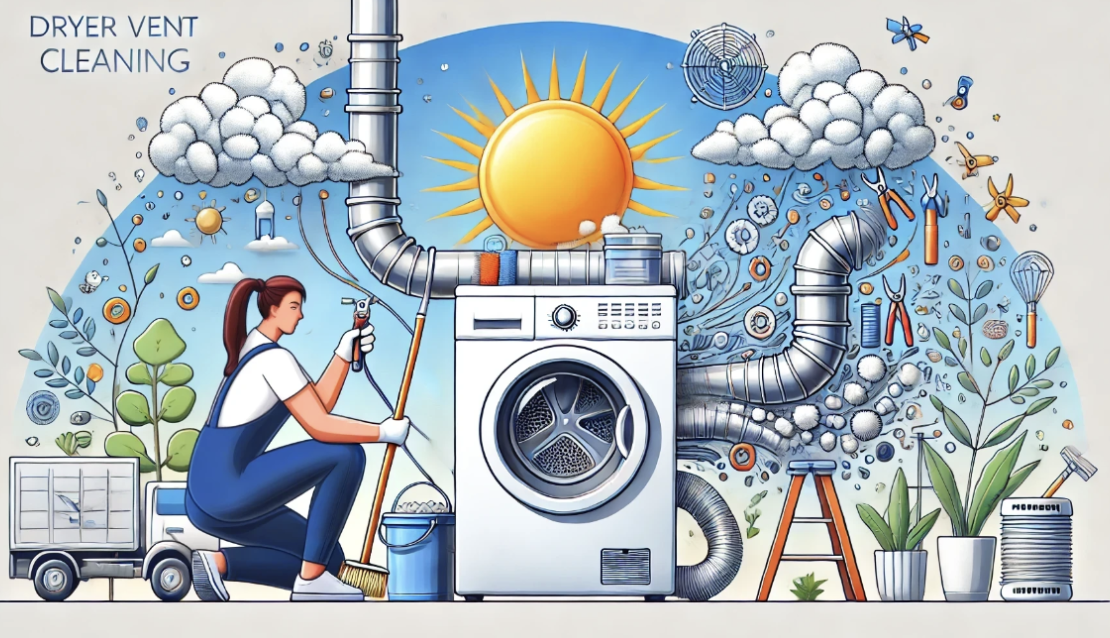
How Often Should Dryer Vents Be Professionally Cleaned? + Why Summer is A Great Time to Do It

The dryer feels hotter than usual, the clothes are taking forever to dry, and a faint burning smell lingers in the air.

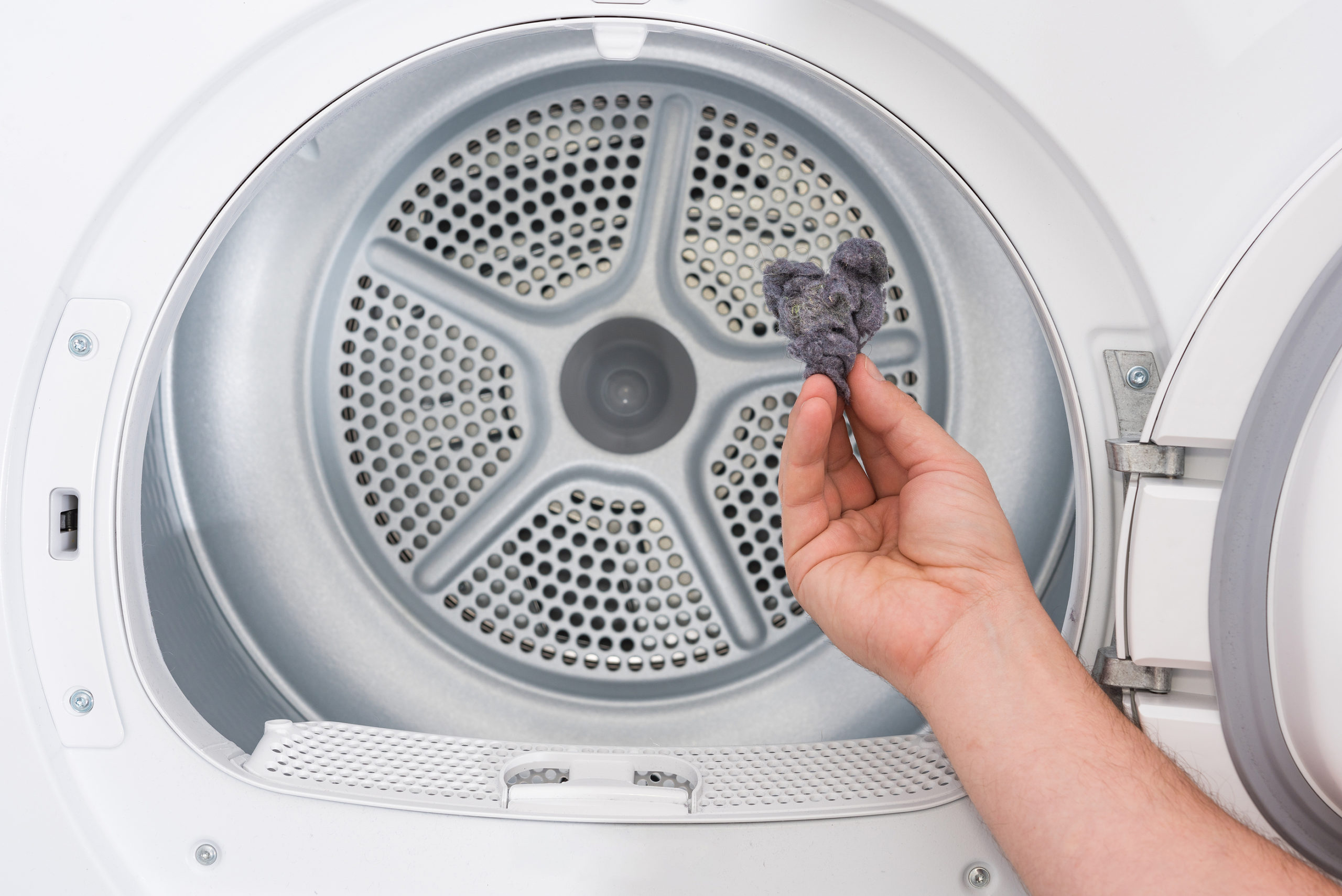
If this sounds familiar, you may have a clogged dryer vent that requires professional cleaning. Not only does a clogged dryer vent hinder your laundry routine, but it can also pose a serious fire hazard to your home. Lint, the byproduct of drying clothes, is highly flammable, and when trapped in a clogged vent, it can easily ignite.

The good news? Regular dryer vent cleaning is a simple and effective way to prevent these problems. It ensures your dryer operates at peak efficiency, saving you time and money on your energy bills.

But with so much on our to-do lists, when should dryer vent cleaning become a priority? Is there a specific time of year that’s better than others? And how often should dryer vents be professionally cleaned?

Believe it or not, summer might be the perfect opportunity to tackle this important task. Read on to learn how often you should have your dryer vents cleaned professionally and why summer might be the most convenient and beneficial time to do it!

How Often Should Dryer Vents Be Professionally Cleaned?

While there’s no one-size-fits-all answer, most experts recommend professional dryer vent cleaning at least once a year. However, several factors can influence how often your specific system needs attention:

  • Laundry Volume: The more laundry you dry each week, the faster lint accumulates in your vents. If you have a large family or do frequent loads, consider cleaning more often, perhaps every six months.
  • Vent Length and Complexity: Longer vents with multiple bends and turns trap lint more readily. Straight, shorter vents may require cleaning less frequently.
  • Presence of Pets: Pets shed fur and dander, which can contribute significantly to dryer vent clogs. If you have furry friends, consider annual cleanings a minimum.
  • Vent Material and Connections: Flexible foil or plastic vents are more prone to trapping lint than rigid metal ones. Additionally, vents with taped or poorly sealed connections pose a higher risk of blockage.

It’s important to remember that a clogged dryer vent is a fire hazard. Lint is highly flammable, and restricted airflow caused by a clog can significantly increase dryer temperatures, creating the perfect conditions for a fire. Regular cleaning helps mitigate this risk and ensures your dryer operates safely and efficiently.

Why Summer is a Great Time for Dryer Vent Cleaning

While dryer vent cleaning doesn’t have to be limited to any particular season of the year, summer offers some unique advantages:

  • Reduced Drying Times: Hot, humid summer weather can make clothes dry slower, especially with a clogged vent. A professional cleaning ensures optimal airflow, leading to faster drying times and lower energy bills.
  • Peak Performance Before Fall/Winter: Fall and winter often see a surge in laundry loads with colder weather and heavier clothing. Cleaning your vents in summer prepares your dryer for this increased workload, ensuring it operates efficiently when you need it most.
  • Beat the Rush: Many homeowners wait until winter, when dryer usage peaks, to schedule cleaning. By tackling it in summer, you avoid potential scheduling conflicts and ensure your vents are cleaned before the busy season hits.

If you’re looking to take advantage of the benefits of summer dryer vent cleaning, reach out to us at The Irish Sweep! We’re offering a special summer discount on our professional cleaning services: $265 (dryer vent cleaning) + $37 sanitation fee. That’s a $60 savings, valid through September 30th, 2024!

how often should dryer vents be professionally cleaned

Additional Maintenance Tips for Dryer Efficiency

Beyond professional cleaning, a few simple maintenance practices can keep your dryer running smoothly and efficiently all year long. By incorporating these tips into your laundry routine, you’ll experience faster drying times, lower energy bills, and ultimately, extend the lifespan of your appliance.

Here are some key areas to focus on:

  • Clean the Lint Trap After Every Use: This might seem obvious, but it’s worth reiterating. Lint buildup is the arch-nemesis of dryer efficiency. A clogged lint trap restricts airflow, forcing your dryer to work harder and longer to dry your clothes. This translates to longer drying times, increased energy consumption, and increased risk of fire. Make cleaning the lint trap a habit after each drying cycle – it’s a quick and easy step that yields big benefits.
  • Ensure Proper Ventilation: Just like any appliance, your dryer needs to breathe. Avoid pushing the dryer too close to the wall, as this restricts airflow and prevents optimal performance. Additionally, make sure the outside vent flap opens freely and isn’t blocked by anything like furniture or plants.
  • Regularly Check and Clean the Outside Vent: The outside vent is another often-overlooked area that can significantly impact dryer efficiency. Debris like leaves, twigs, bird nests, or even cobwebs can accumulate around the vent cover, hindering airflow and causing drying delays. Inspect the vent cover regularly, especially after heavy storms or periods of high winds. Remove any obstructions and consider using a vacuum cleaner with a long attachment to clean the outside vent area.
  • Avoid Overloading: It can be tempting to cram as many clothes as possible into the dryer to get the job done faster. However, overloading your dryer is counterproductive. Densely packed clothes restrict airflow, forcing the dryer to work harder and take longer to dry the load. Stick to the recommended load capacity for your dryer to ensure efficient drying and prevent unnecessary wear and tear on the appliance.

By following these simple maintenance tips, you can keep your dryer running smoothly and efficiently all year long. Remember, a little preventative maintenance goes a long way in saving you time, money, and the potential hassle of a dryer malfunction down the road.

Summer Cleaning, Year-Round Benefits: Keep Your Dryer Safe and Efficient

Regular dryer vent cleaning is a vital part of home maintenance. It ensures your dryer operates efficiently, saves you money, and most importantly, minimizes the risk of fire hazards. By taking advantage of the benefits of summer cleaning and our special offer, you can enjoy peace of mind and optimal dryer performance for months to come.

Don’t wait until fall to tackle clogged dryer vents! Schedule your professional cleaning with The Irish Sweep this summer and enjoy the benefits of:

  • Faster drying times and lower energy bills
  • Improved dryer performance before peak usage
  • Avoiding scheduling delays during busy winter months

Plus, take advantage of our special summer promotion! Call us today at 510.521.4088 or fill out our contact form to schedule an appointment online. Let’s keep your dryer running smoothly and safely all year round.

Fire Safety Checklist for Summer Months

As the warmth of summer envelops us, it’s easy to forget the fire safety concerns that linger from the colder months. However, maintaining a safe home is a year-round responsibility, and summer is the perfect time to address any potential hazards. At The Irish Sweep, we specialize in chimney and dryer vent inspections and cleanings, ensuring your home remains safe and sound.

Many homeowners experienced issues during the winter that may still pose a risk. This is the season to tackle those concerns head-on. By following our comprehensive fire safety checklist, you can enjoy a worry-free summer while ensuring your home is well-protected.

Let’s ring a big bell and wake up those who might be in denial—proactivity is key to fire safety.

Essential Checklist for Summer Fire Safety

Summer might be here, but taking a proactive approach to fire safety now can ensure a cozy and safe winter later – and prime your home for general safety all year round. Here’s why focusing on your chimney and dryer vents is crucial:

Chimney Safety

During winter use, creosote, a highly flammable substance, builds up inside your chimney. Neglecting chimney cleaning and inspections can lead to a dangerous buildup of creosote, increasing the risk of a chimney fire.

To ensure chimney safety:

  • Schedule regular inspections: Have a professional inspect your chimney at least once a year.
  • Clean chimney regularly: Remove creosote buildup to prevent fire hazards.
  • Install a chimney cap: This can help keep debris and animals out, reduce blockages, and ensure better airflow.

The Irish Sweep’s NCSG-certified chimney inspectors can thoroughly examine your chimney, identify any potential problems, and recommend the necessary cleaning or repairs. This ensures your chimney functions safely and efficiently throughout the year.

Dryer Vent Safety

Winter means heavy reliance on your clothes dryer. Unfortunately, all that extra use can lead to clogged dryer vents. Lint and debris build-up in dryer vents increases the risk of a dryer fire and reduces your dryer’s efficiency, making drying times longer and costing you more money on your energy bills. In the summer heat, a dryer clogged up with very flammable lint is an accident waiting to happen.

For dryer vent safety:

  • Clean the lint filter: Before and after each load of laundry, clean out the lint filter.
  • Check bentilation regularly: Ensure that the outdoor vent flap is working properly and not blocked.
  • Schedule professional cleanings: Have a professional clean your dryer vent system annually.

The Irish Sweep offers professional dryer vent cleaning services to ensure your dryer is operating safely and efficiently. We’ll provide a thorough inspection and remove all built-up lint and debris, leaving your dryer vents clean and ready for the next season.

Smoke Alarms

Your smoke alarms are your first line of defense against fire. Don’t forget to check them monthly for proper operation and replace the batteries twice a year. Here’s a handy memory trick: “Change Your Clock, Change Your Battery” when you spring forward and fall back for daylight saving time. Additionally, ensure you have enough smoke alarms installed on every floor of your house, including outside sleeping areas. For smoke alarm safety:

  • Monthly checks: Test your smoke alarms every month to ensure they are working.
  • Biannual battery replacement: Change the batteries when you adjust your clocks for daylight saving time.
  • Adequate coverage: Install smoke alarms on every floor and outside sleeping areas.
  • Replace alarms every 10 years: Ensure your smoke alarms are not older than 10 years.

By following these safety tips, you can ensure that your home remains safe and efficient throughout the year.

Grilling Safety

Summer wouldn’t be complete without delicious grilled food, but remember to prioritize safety while firing up the grill:

  • Keep your grill a safe distance from your house, deck, or other flammable materials.
  • Never leave your grill unattended while cooking.
  • Clean your grill regularly to remove grease buildup, which can ignite easily.

Fireworks Safety (if applicable in your area)

Summer celebrations are a highlight of the Bay Area, but fireworks are illegal in most counties. Here at The Irish Sweep, we prioritize safety, so instead, we recommend some dazzling alternatives:

  • Attend a professional fireworks display: Many communities host permitted fireworks shows. Check your local listings for a safe and spectacular display!
  • Light up the night with glow sticks and sparklers: These provide a festive touch while adhering to local regulations. Opt for sparklers with a long metal or paper stick for added safety.

Let’s celebrate summer responsibly and with a little sparkle!

Outdoor Campfire Safety

Summer nights are perfect for gathering around a crackling campfire. But before you roast marshmallows and tell stories under the stars, prioritize safety with these tips:

  • Check local regulations: Fire restrictions can vary depending on your location. Always check local regulations and fire hazard severity zone risk before starting a campfire.
  • Designated fire pits: Use designated fire pits whenever possible. These pits are built to contain the fire and minimize risk.
  • Clear the area: Clear a wide area of at least ten feet around the fire pit, removing any flammable materials like leaves, branches, or dry grass.
  • Keep it small: Maintain a small, manageable fire. A large fire is harder to control and poses a greater risk.
  • Never leave unattended: Never leave a campfire unattended, not even for a minute.
  • Have extinguishment tools nearby: Keep a bucket of water or sand nearby to extinguish the fire safely when you’re finished.
  • Drown the fire: Don’t just let the fire die out. Drown the embers with water and stir the ashes to completely extinguish everything.

Electrical Safety:

Many summer activities involve electrical appliances. To avoid electrical fires this season, follow these important safety precautions:

  • Avoid overloading outlets: Don’t plug in too many appliances into a single outlet. As a general rule, use only one major appliance (like a toaster or hairdryer) per outlet at a time. Too many appliances can draw too much current, causing overheating and fires.
  • Replace damaged cords: Frayed, cracked, or loose cords pose a serious fire risk. Inspect your appliance cords regularly, and discard any damaged cords immediately. Don’t try to repair them – replace them with new ones.
  • Keep appliances away from water sources: Water conducts electricity and can cause shocks or electrical fires. Never use electrical appliances near sinks, bathtubs, or pools. Keep appliances unplugged when not in use, especially in areas prone to splashes or spills.

By following these simple fire safety tips, you can ensure a happy and safe summer for yourself and your loved ones.

Make Summer Count! Schedule Your Chimney & Dryer Vent Inspections & Cleanings

By taking proactive fire safety measures during the hottest season of the year, you can ensure a worry-free summer and avoid potential problems down the line. Here at The Irish Sweep, we prioritize your safety and comfort year-round. Contact us today to schedule your chimney inspection, dryer vent cleaning, or to discuss any fire safety concerns.

Let’s work together to make your home a safe haven!

Chimney Waterproofing: Why Spring Is the Perfect Time to Do It

Ah, springtime. The flowers are blooming, the birds are chirping – it’s the perfect time for some spring cleaning! Let’s add chimney maintenance to our spring cleaning tasks alongside clearing out those dusty corners and overflowing closets.

You know the phrase: April showers bring… May chimney disasters?

Okay, it’s not a real proverb. But it highlights the importance of preparing your chimney for spring rain! Cracks, loose bricks, and damaged mortar can all become entry points for water, and wet spring weather can exacerbate these issues. Left unchecked, water intrusion can deteriorate your chimney, cause leaks in your attic, and even lead to structural damage.

Thankfully, there’s a solution: chimney waterproofing. This process creates a protective barrier on the chimney’s exterior, effectively sealing it from the elements. The benefits are numerous, from safeguarding the chimney’s integrity to preventing further damage to your home. This blog will explore why spring is the perfect season to tackle chimney waterproofing, ensuring your chimney is prepped and protected for the years to come.

What is Chimney Waterproofing? 

Chimney waterproofing is the process of applying a sealant to the exterior surfaces of your chimney. This sealant creates a protective barrier that prevents water from penetrating the masonry material, such as brick, stone, or concrete.

If water is allowed to enter your chimney, it can lead to a number of problems, including:

  • Deterioration of mortar and bricks: Water can work its way into cracks, weakening the overall structure.
  • Rusting of flue liners: Water can damage the metal flue liner, which can lead to leaks and potential carbon monoxide issues.
  • Spalling: Water can cause the outer layers of brick or stone to crack and flake off.
  • Leaks in the attic or roof: Water that penetrates the chimney can seep into your attic or roof, leading to moisture damage and potential mold growth.

How Does Chimney Waterproofing Work?

There are two main types of chimney waterproofing materials:

  1. Water repellents: These penetrate the masonry surface and create a water-resistant barrier, allowing moisture vapor to escape while preventing liquid water from entering.
  2. Surface sealants: These form a coating on the surface of the chimney, creating a waterproof barrier.

The application method will vary depending on the chosen material. However, generally, the process involves cleaning the chimney surface, applying the sealant according to the manufacturer’s instructions, and allowing it to cure properly.

Benefits of Waterproofing Your Chimney

By waterproofing your chimney, you can enjoy a number of benefits, including:

  • Extending the lifespan of your chimney: By preventing water damage, waterproofing helps to keep your chimney in good condition for longer.
  • Improving the efficiency of your fireplace: A properly sealed chimney will draw better, leading to a more efficient and enjoyable fire.
  • Reducing the risk of leaks: Waterproofing helps to prevent water from entering your home through the chimney, protecting your attic and roof from damage.
  • Preventing costly repairs: Addressing small cracks and applying waterproofing can prevent the need for more expensive repairs down the road.

Overall, chimney waterproofing is a worthwhile investment that can help to protect your home and ensure the long-term functionality of your fireplace.

Seasonal Challenges for Chimneys

Just like the rest of our homes, chimneys experience a rollercoaster of conditions throughout the year. While it may seem like a sturdy structure, these seasonal changes can take a toll on its health.

Let’s explore how different seasons can affect our chimneys and the specific challenges that arise during winter and summer.

Seasonal Impact on Chimneys:

  • Spring: Spring rains can expose any weaknesses in your chimney’s exterior, allowing water to seep in and wreak havoc. If you live in a very cold area, freeze-thaw cycles from lingering winter chills can further exacerbate existing cracks.
  • Summer: While summer is a time for barbecues and open fires, it’s not exactly peak season for your chimney. However, the intense heat can cause mortar to dry out and crack, creating potential entry points for water later on. Additionally, animal intrusions like birds building nests in the flue can become a concern.
  • Autumn: Autumn brings a return of cooler temperatures and potentially wet weather. Similar to spring, fall rains can exploit any vulnerabilities in your chimney’s waterproofing, making it crucial to ensure proper sealing before the harsh winter arrives.
  • Winter: Winter is your fireplace’s time to shine! Frequent use of your fireplace isn’t a problem if you’re performing regular maintenance, but neglecting maintenance can lead to a number of problems. Moisture from burning unseasoned wood can condense in the flue, creating creosote buildup.

By understanding these seasonal challenges, you can be proactive in maintaining your chimney and ensure its safety and functionality year-round.

The Advantages of Spring Waterproofing

Spring emerges as the ideal time to address chimney waterproofing needs. Here’s why:

  • Favorable Weather Conditions: Spring offers a sweet spot in terms of weather. The harsh chills of winter have subsided, and the scorching heat of summer hasn’t arrived yet. These moderate temperatures create the perfect environment for applying waterproofing materials. They allow the sealant to cure properly without the risk of freezing or extreme evaporation.
  • Enhanced Material Performance: Lower humidity levels, prevalent during springtime, are another advantage. With less moisture in the air, the waterproofing materials can bond more effectively with the chimney surface. This translates to a more durable and long-lasting seal.
  • Scheduling Benefits: Spring is generally considered the off-season for chimney repairs. This translates to potentially shorter wait times for scheduling a professional to waterproof your chimney.

How to Choose the Right Contractor for Chimney Waterproofing

Now that you understand the importance of spring waterproofing and its advantages, it’s time to find the right professional to get the job done.

Here are some key points to consider when choosing a contractor:

Qualifications and Experience

Look for a contractor who is licensed, insured, and certified by a reputable organization like the NCSG (National Chimney Sweep Guild). This ensures they possess the necessary knowledge and skills to handle chimney repairs and waterproofing safely and effectively.

Specific Expertise

While some chimney sweeps offer general maintenance services, it’s crucial to choose a contractor with experience specifically in chimney waterproofing. This ensures they are familiar with the different types of waterproofing materials and application techniques, guaranteeing a long-lasting and effective seal for your chimney.

Ask Questions

Don’t hesitate to ask questions before hiring a contractor. Inquire about their experience with waterproofing projects, the specific materials they use, their warranty policies, and their overall approach to the job. A reputable contractor will be happy to answer your questions and address any concerns you may have.

Here are some specific questions you can ask potential contractors:

  • Can you provide me with references from past clients who have had waterproofing work done?
  • What type of waterproofing material do you recommend for my chimney?
  • What is your warranty on the waterproofing work?
  • What is your process for cleaning up after the job is complete?

By carefully evaluating qualifications, experience, and communication style, you can choose a qualified contractor who will ensure your chimney receives a professional and effective waterproofing treatment.

Maintenance After Waterproofing

While waterproofing provides a robust shield for your chimney, it’s not a set-and-forget solution.

Here are some key practices to maintain your chimney and ensure the waterproofing continues to perform optimally:

  • Regular Check-Ups: Develop a habit of visually inspecting your chimney at least twice a year. Look for any new cracks, signs of spalling (flaking or chipping of the bricks), or white stains (efflorescence) that might indicate moisture problems.
  • Professional Inspection: Schedule a professional chimney inspection at least once a year, preferably before the start of the heating season. A qualified chimney sweep can perform a thorough inspection, identify any potential issues with the waterproofing or other areas of the chimney, and recommend any necessary repairs.
  • Signs of Reapplication: Be mindful of certain signs that might indicate your waterproofing needs to be reapplied. These include recurring cracks, significant water stains on the chimney exterior, or noticeable moisture penetration into your attic or roof.
  • Keep the Chimney Cap Clear: A properly functioning chimney cap prevents debris, rain, and animals from entering the flue. Regularly check and clear any leaves, twigs, or other debris from the cap to ensure it functions optimally.
  • Address Minor Issues Promptly: Don’t neglect minor cracks or loose mortar. Addressing them promptly prevents water from seeping in and potentially compromising the waterproofing.
  • Avoid Harsh Cleaning Methods: Harsh chemicals or abrasive cleaning tools can damage the waterproofing sealant. Stick to using mild soap and water for routine cleaning.

By following these simple maintenance practices, you can extend the lifespan of your waterproofing treatment and ensure your chimney remains protected for years to come.

Remember: A well-maintained chimney is a safe and efficient chimney!

Spring into Action and Protect Your Chimney

As we’ve explored, spring is the champion season for tackling chimney waterproofing. Favorable weather conditions, enhanced material performance, and proactive preparation for the rainy season all contribute to a successful waterproofing project.

Don’t wait for potential problems to arise! Schedule an inspection with qualified professionals like The Irish Sweep to assess your chimney’s condition and discuss waterproofing options.

Contact The Irish Sweep today! Our experienced and certified chimney professionals can provide a thorough inspection, discuss the best waterproofing solution for your chimney, and get the job done right. Schedule your appointment soon and enjoy the peace of mind that comes with a well-maintained and waterproof chimney.

© Copyrights 2026 The Irish Sweep All Rights Reserved.