The Irish Sweep is still accepting calls to answer questions and schedule any service needs. However, no on-site visits are currently being conducted pursuant to the government's stay in place order. Please feel free to contact us at 510.521.4088 to get answers to your questions or schedule a future appointment.

Fireplace Use During Spare the Air Alerts: What Bay Area Homeowners Need to Know

Spare the Air season settles over the Bay Area every year. This year, it runs from November 1 through the end of February, and for many homeowners, the rules can feel a little confusing. 

Homeowners tend to see Spare the Air Alerts as a simple “yes or no” to using their fireplace, but the decisions you make during this period can affect the long-term condition of your chimney and the safety of everyone in your home. Understanding how the regulations connect with fire-safety best practices gives you an advantage.

Here’s what this season means for you, your fireplace, and the choices that keep your home safe.

What Spare the Air Season Means for Bay Area Fireplace Owners

Understanding how Spare the Air season affects your fireplace begins with knowing why the Air District issues different types of warnings and what they expect from residents. Below is a clearer structure to help homeowners navigate the winter burn restrictions without confusion.

When Alerts Are Issued

From November through February, the Air District watches for conditions that trap smoke close to the ground. When forecasts show that fine particulate pollution will climb past a set threshold, a Spare the Air Alert is issued for the entire Bay Area. On those days:

  • Burning solid fuels is illegal.
  • The rule applies to fireplaces, wood stoves, outdoor fire features, and manufactured fire logs.
  • Even low-visibility chimney smoke can be a violation, since excessive smoke is prohibited year-round.

Many homeowners assume these alerts come from general weather changes, but the triggers are more specific. Calm, cold evenings can create a “lid” of warm air overhead, which prevents smoke from rising. When that happens, even a few active fireplaces can push pollution into unhealthy territory.

When Advisories Are Issued

Sometimes smoke or haze affects the region without reaching the levels that require a formal ban. In these situations, the Air District issues an Air Quality Advisory, which serves as a caution rather than a restriction. These advisories often appear during wildfire events or days when smoke is visible but not dense at ground level.

Why the Entire Bay Area Responds Together

The nine-county Bay Area is treated as one air basin because smoke doesn’t stay put. A fire lit in one neighborhood can affect conditions miles away. For homeowners, this means:

  • Even if your local conditions look clear, nearby regions may be experiencing stagnant or polluted air.
  • Compliance helps stabilize air quality across the region.
  • One household ignoring a burn ban can contribute to conditions that affect thousands of people.

This broader view often surprises homeowners who assume alerts apply only to heavily populated cities.

The Wood Burning Rule and Why It Matters for Fireplace Safety

The Wood Burning Rule, passed in 2008 and amended in 2019, shapes how Bay Area homeowners can use their fireplaces. 

What the Rule Actually Requires

The rule makes it illegal to burn solid fuels on any day when a Spare the Air Alert is in effect for fine particulate pollution. While this is the part most people remember, several other requirements affect everyday fireplace use:

  • New buildings cannot include wood-burning devices.
  • Major remodels that require permits and exceed a set cost must use gas, electric, or EPA-certified wood-burning appliances.
  • EPA certification is required for anyone who relies on a wood-burning appliance as their sole heat source.
  • Visible smoke limits apply year-round, and violations can result in fines.
  • Burning anything other than clean, dry wood is prohibited at all times.

Many homeowners aren’t aware that smoke visibility thresholds exist or that burning trash, treated wood, or damp firewood is illegal. Those details matter because every one of these restrictions aligns with a fire-safety concern that chimney professionals see repeatedly.

How These Requirements Protect Your Home

A fireplace that burns cleanly is far safer than one that produces heavy, lingering smoke. Each element of the rule has a fire-safety angle:

  • Cleaner-burning appliances: EPA-certified wood stoves and inserts burn more efficiently, which reduces creosote buildup. Less creosote means fewer chimney fires and fewer expensive cleanings.
  • Limits on visible smoke: When smoke is thick enough to obscure objects behind it, it signals poor combustion. That usually means more unburned material is traveling up the flue and settling inside the chimney. High smoke output often corresponds to rapid creosote accumulation.
  • Restrictions on what can be burned: Garbage, treated wood, or plastics release corrosive chemicals when burned. These can damage metal liners, crack masonry, and leave behind residues that ignite more easily than standard creosote.
  • Requirements during major remodels: Upgrades that replace older, inefficient fireplaces with modern systems reduce the likelihood of backdrafting, smoke intrusion, and overheating problems.

How to Stay Compliant and Keep Your Fireplace Safe During Spare the Air Season

Spare the Air season asks homeowners to be thoughtful about when and how they burn, but it also presents an opportunity to keep your fireplace performing at its best. With a bit of planning and the right professional support, you can stay compliant, protect your home, and avoid the problems that often surface during winter inspections.

Check Before You Burn

The simplest habit is also the most effective:

Always check the day’s status before lighting a fire.

Alerts are available through email, text, and the Spare the Air website, and many weather apps now include air-quality notifications. A quick check prevents accidental violations, keeps you from burning on high-pollution days, and reduces unnecessary wear on your chimney.

This habit also helps you understand your own fireplace better. Homes that burn only on non-alert days often have fewer draft issues because the flue has time to cool and settle between uses, reducing the sudden temperature swings that contribute to creosote formation.

Burn Clean and Burn Smart

Even outside alert days, the rule requires that homeowners use clean, seasoned wood. This isn’t just a regulation box to check. Proper fuel has a direct impact on fire safety:

  • Dry wood produces hotter, more efficient fires.
  • Hotter fires leave less residue behind.
  • Clean combustion lowers the chance of smoke spilling back into the home.

Avoid burning scraps, treated lumber, or debris. These materials create corrosive byproducts that eat away at liners, metal components, and masonry in ways that aren’t always visible until damage has progressed.

Keep Your System in Safe Working Condition

This is where The Irish Sweep provides the most value. Winter burning exposes every weak point in a fireplace system, so professional maintenance becomes especially important during Spare the Air season.

Our team focuses on fire-safety specific services, including:

  • Chimney inspections that identify flue blockages, creosote levels, and draft issues.
  • Chimney sweeping to remove buildup that can ignite unexpectedly during cold weather burns.
  • Fireplace and appliance evaluations to ensure that stoves and inserts are operating efficiently and safely.
  • Smoke and draft troubleshooting, especially useful after long periods of non-use during alert stretches.
  • Guidance on proper burning practices, so homeowners understand how daily choices impact chimney health.

During inspections, we often discover issues homeowners weren’t aware of, such as early-stage liner deterioration or small obstructions that can restrict airflow. Catching these problems early helps prevent expensive repairs and reduces the likelihood of smoke intrusion in winter.

A Safer Burn Season Starts with the Right Support

Spare the Air season reshapes how Bay Area homeowners use their fireplaces, but it also provides a clear path toward safer, cleaner, and more intentional burning. Understanding when alerts are issued, following the Wood Burning Rule, and keeping your system in good working order all contribute to a healthier home and a healthier region. 

Our team at The Irish Sweep spends these colder months focused on the details most homeowners rarely see: fire behavior inside the firebox, subtle shifts in chimney draft, early creosote formation, and the hidden risks that come with heavy seasonal use. That’s our world. When a fireplace needs deeper attention, like masonry reinforcement or seismic considerations, we rely on the structural-safety specialist we’ve partnered with for years. Their expertise fills the gap where structural knowledge becomes essential, and together, we make sure homeowners receive the right kind of support for every type of chimney concern.

If you want to head into winter confident that your system is safe and compliant, now is the ideal time to schedule an inspection or sweep. A professional visit can reveal issues long before they turn into repairs or safety hazards, especially during a season when the rules around burning can limit how often you can use your fireplace.

Reach out to The Irish Sweep to book your appointment, ask questions, or get guidance tailored to your home. A safer, more efficient fireplace starts with a conversation—and we’re here to help you get winter-ready.

Why a Ceramic Chimney Liner Is the Smartest Fall Upgrade for Your Flue

As the crisp air of fall sets in, now is the time to make sure your fireplace and chimney are ready for the season ahead. One of the smartest upgrades you can make is installing a ceramic chimney liner which is a proven solution that boosts safety, improves efficiency, and extends the life of your chimney. Unlike costly rebuilds, a ceramic liner works by restoring and protecting your existing flue, giving you peace of mind every time you light a fire.

This fall, there’s even more reason to act: we’re offering 10% off ceramic coating services during September and October only. Manufactured right here in the USA, this upgrade comes without the added costs of tariffs, making it a more affordable, high-quality investment for your home.


What Is a Ceramic Chimney Liner?

A ceramic chimney liner is a specialized coating system designed to restore and protect the inside of your chimney flue. Over time, the brick and mortar joints inside a chimney can deteriorate, allowing dangerous gases, smoke, and even sparks to escape into your home. A ceramic liner solves this problem by creating a smooth, heat-resistant barrier that seals cracks, fills gaps, and reinforces the chimney’s structure from within.

Unlike traditional metal liners that require inserting a new tube into the flue, ceramic liners, such as the HeatShield® system manufactured in the USA, are applied directly to the existing masonry. This method resurfaces the interior of the chimney, extending its lifespan without the need for a costly rebuild.

The result is a safer, more efficient chimney that’s built to handle high heat and resist corrosion for decades. In short, a ceramic liner gives homeowners the confidence that their chimney is prepared for many more fall and winter seasons of cozy fires.


Why Ceramic Is the Best Choice for Fall Upgrades

Fall is the busiest season for chimney maintenance, and upgrading your flue with a ceramic chimney liner is one of the smartest investments you can make before winter. Here’s why homeowners consistently choose ceramic over other options:

  • Safety First: A ceramic liner seals gaps and cracks in your flue, preventing toxic gases like carbon monoxide from leaking into your home. It also helps reduce the risk of chimney fires by creating a smooth, durable surface that resists heat and creosote buildup. 
  • Long-Lasting Durability: Unlike metal liners that can corrode or warp over time, ceramic coatings are designed to withstand extreme temperatures and resist deterioration. Once installed, they can last for decades with proper maintenance. 
  • Better Efficiency: A resurfaced flue with a ceramic liner improves airflow and draft, meaning your fires burn hotter, cleaner, and more efficiently which saves you money on wood or fuel. 
  • Cost-Effective Repairs: Instead of tearing down and rebuilding an aging chimney, ceramic liners restore the existing structure at a fraction of the cost. It’s a modern solution that preserves both your chimney and your budget. 

By choosing ceramic this fall, you’re not only protecting your home; you’re also ensuring your fireplace is ready to deliver warmth, comfort, and peace of mind all season long.


Made in the USA Advantage

Not all chimney products are created equal and when it comes to protecting your home, quality matters. That’s why choosing a ceramic chimney liner manufactured in the USA is such a smart move.

  • Trusted American Craftsmanship: USA-made products are held to rigorous standards, ensuring durability and performance you can count on. 
  • No Tariffs, No Extra Costs: Because these liners are produced domestically, there are no international tariffs or hidden import fees, just straightforward, honest pricing. 
  • Support Local Manufacturing: By choosing an American-made product, you’re supporting domestic jobs and investing in quality materials that are built to last. 

This combination of reliability, affordability, and peace of mind makes a ceramic liner the clear choice for homeowners who want the best for their chimney and their wallet.


The Installation Process: What to Expect

One of the biggest advantages of a ceramic chimney liner is that it can usually be installed without tearing down your existing chimney. Here’s what homeowners can expect during the process:

  1. Inspection & Preparation: A certified chimney professional begins with a thorough inspection, often using cameras, to identify cracks, gaps, or damage inside the flue. The chimney is then cleaned to remove soot and debris. 
  2. Application of the Ceramic Coating: Using specialized equipment, the technician applies the ceramic material to the inside of the flue. The coating is carefully smoothed and bonded to the masonry, sealing every joint and crack. 
  3. Resurfacing & Reinforcement: Depending on the chimney’s condition, the liner may be layered to build strength and create a perfectly smooth, heat-resistant surface. 
  4. Final Safety Check: After the liner cures, the chimney is tested to ensure it meets safety and performance standards. At this stage, homeowners can be confident their flue is secure and ready for use. 

Most projects can be completed in a day or two, with minimal disruption to your home. Unlike full rebuilds, the process is clean, efficient, and far more cost-effective which leaves you with a chimney that’s safer, stronger, and ready for cozy fires all season long.

Don’t Miss Our Fall Ceramic Coating Special

Upgrading your flue with a ceramic chimney liner is one of the smartest steps you can take this fall. It improves safety, boosts efficiency, and protects your chimney for decades to come. All without the high cost of a full rebuild. And because it’s manufactured right here in the USA, you can trust in the quality while avoiding extra tariffs or hidden fees.

For a limited time, we’re making this upgrade even more affordable: Enjoy 10% off ceramic coating services through September and October. But don’t wait, fall is the busiest season for chimney work, and appointment slots fill up quickly.

Call us today at 510-521-4088 or email [email protected] to schedule your inspection and claim your discount before October 31st.

Stay safe, stay warm, and make this fall the season you invest in the long-term health of your chimney and peace of mind for your home.

Fireplace Cleaning Tips from The Irish Sweep: Avoid Common Hazards

A crackling fire in the hearth is one of life’s simple pleasures, especially on a cold evening. But behind the warm glow lies a responsibility: keeping your fireplace clean and safe. Regular fireplace cleaning protects your home from potential fire hazards, improving efficiency, and ensuring cleaner air indoors.

At The Irish Sweep, we’ve spent years helping homeowners maintain their fireplaces, chimneys, and dryer vents with expert care. Our team understands the common pitfalls of fireplace upkeep and how to avoid them, so we’ve gathered some essential tips to help you tackle the task safely and effectively.

In this blog, we’ll break down the risks of neglecting your fireplace, share step-by-step cleaning tips, and explain when it’s time to call in the pros. Whether you’re a seasoned homeowner or new to fireplace care, you’ll find practical advice to keep your hearth in top shape. Let’s get started!

Why Regular Fireplace Cleaning Is So Important

When it comes to maintaining a safe and efficient home, fireplace cleaning is an often-overlooked task that carries significant benefits. From improving air quality to reducing fire hazards, here’s why regular upkeep is essential.

Cleaner Air for a Healthier Home

Every time you use your fireplace, soot, ash, and other particles accumulate. These can easily become airborne, especially during and after a fire, diminishing indoor air quality. This is particularly concerning for those with allergies or respiratory conditions. Regular cleaning minimizes these contaminants, ensuring your home remains a safe and healthy space for everyone.

Reducing the Risk of Chimney Fires

Creosote, a byproduct of burning wood, is a sticky, flammable residue that builds up inside your chimney. Over time, even a thin layer of creosote can pose a serious fire hazard. In fact, creosote buildup is one of the leading causes of chimney fires. Scheduling routine cleanings helps eliminate this risk, giving you peace of mind every time you light a fire.

Boosting Energy Efficiency

A clean fireplace doesn’t just look better—it works better. When ash and debris are removed, airflow improves, allowing fires to burn hotter and more efficiently. This means you get more heat from less wood, saving money and energy while staying cozy. Plus, a well-maintained fireplace reduces the chances of smoke entering your home due to blockages.

Safety and Comfort Go Hand in Hand

Ultimately, regular fireplace cleaning isn’t just about maintenance—it’s about safeguarding your home, enhancing your comfort, and ensuring your fireplace performs at its best. By keeping it clean and hazard-free, you can enjoy the warmth and ambiance of your fire with confidence.

Take the time to care for your fireplace, and it will reward you with safer, cleaner, and more efficient operation for years to come.

Related Reading: How Often Should a Chimney Be Cleaned?

Avoiding Risks During Fireplace Cleaning

Cleaning a fireplace might seem straightforward, but it comes with potential hazards that can compromise your safety if not addressed properly. From hidden dangers like creosote buildup to health risks associated with soot, understanding these risks is the first step toward safe and effective cleaning.

Creosote Buildup: A Hidden Danger

Creosote is a dark, tar-like substance that forms inside your chimney as a byproduct of burning wood. It’s sticky, highly flammable, and builds up layer by layer over time. Even a small amount of creosote can ignite under the right conditions, potentially causing a dangerous chimney fire.

DIY cleaning might seem like a cost-effective solution, but it often leaves behind residue that only professional-grade tools can remove. Over time, this leftover creosote can accumulate, turning your fireplace into a ticking time bomb. For thorough and safe cleaning, regular professional inspections and maintenance are essential.

Inhaling Soot and Dust

Fireplace cleaning can stir up soot and dust, which contain harmful particles. Inhaling these particles can irritate your respiratory system and pose serious health risks, especially for individuals with asthma or allergies. Prolonged exposure may even lead to more severe respiratory issues over time.

To minimize risks, always work in a well-ventilated area and wear protective gear, such as a mask and safety goggles. Taking these precautions not only protects your health but also ensures a safer cleaning process.

Structural Issues

Your fireplace’s structure is just as important as its cleanliness. Over time, the bricks, mortar, or chimney liner can develop cracks or other damages that are easy to overlook during casual cleaning. These issues may allow heat, smoke, or even flames to escape into areas where they shouldn’t, creating serious safety hazards.

A visual inspection can help identify obvious problems, but a professional chimney sweep can detect hidden structural issues that require immediate attention. Regular inspections are crucial to catching these problems early and preventing costly repairs—or worse, a house fire.

The Bottom Line

Fireplace cleaning is not without its risks, but understanding these hazards can help you navigate the process safely. With the right precautions and professional assistance, you can keep your fireplace in optimal condition and avoid unnecessary dangers.

Fireplace Cleaning Tips for a Safer Home

Keeping your fireplace clean enhances its performance and protects your home and loved ones from potential hazards. By following these step-by-step tips, you can clean your fireplace safely and efficiently.

Gather the Right Tools and Equipment

Before you begin, make sure you have everything you need for a thorough cleaning. Essential tools include:

  • A sturdy fireplace brush for scrubbing away soot and residue.
  • A fireplace vacuum or shop vac designed to handle ash.
  • Drop cloths to protect your flooring and nearby furniture.
  • A dust mask and safety goggles to protect yourself from inhaling particles.

Using the proper tools is critical. Brushes designed for fireplaces won’t damage the firebox or chimney, and specialized vacuums can handle ash without spreading it around your home. Skimping on tools can lead to incomplete cleaning or even damage to your fireplace.

Clean the Firebox

The firebox, where the fire burns, requires regular cleaning to remove ash and debris. Here’s how to do it safely:

  1. Wait Until Cool: Ensure the fireplace and ash are completely cool before you begin.
  2. Remove Ash and Debris: Use a small shovel to scoop out ash and dispose of it in a metal container.
  3. Scrub the Firebox: Use your fireplace brush to scrub away soot from the walls of the firebox.
  4. Vacuum the Residue: Use a fireplace vacuum to remove fine ash and remaining particles for a clean finish.

Regularly cleaning the firebox prevents ash buildup and ensures optimal airflow for your next fire.

Inspect and Maintain the Chimney

While cleaning the fireplace, don’t forget to check the chimney. It’s essential to inspect for blockages or creosote buildup:

  • Check for Obstructions: Look up the chimney with a flashlight to ensure there are no nests, leaves, or other debris blocking the flue.
  • Assess Creosote Levels: Use a flashlight to check the chimney walls for shiny, dark creosote deposits. If the buildup is more than 1/8 inch thick, it’s time for a professional cleaning.
  • Test the Damper: Ensure the damper opens and closes smoothly. A malfunctioning damper can lead to smoke backdrafting into your home.

For anything beyond a surface-level inspection, call a professional chimney sweep. They have the tools and expertise to address deeper issues and ensure your chimney is safe to use.

By using the right tools, cleaning the firebox regularly, and inspecting the chimney, you can enjoy a fireplace that’s clean, efficient, and safe. Don’t forget: If anything seems beyond your expertise, The Irish Sweep is always here to help.

Why Professional Fireplace Cleaning Matters

While regular maintenance can help keep your fireplace in good condition, there are times when calling in a professional is essential. Experts bring the tools, training, and experience to handle the tough jobs and ensure your fireplace is as safe as possible.

Deep Cleaning and Hazard Prevention

Even the most diligent DIY efforts can fall short when it comes to thoroughly cleaning a fireplace. Creosote deposits, soot in hard-to-reach places, and hidden structural issues require specialized equipment and expertise to address. Professionals use high-grade tools and techniques to clean every inch of your chimney and fireplace, eliminating fire hazards and ensuring proper airflow.

By hiring a professional, you gain peace of mind knowing your fireplace isn’t just clean—it’s safe to use. Professionals can also identify and address problems like cracks, loose bricks, or liner damage, which can go unnoticed during DIY cleaning.

Annual Inspections for Peace of Mind

An annual inspection by a certified chimney sweep is one of the best ways to ensure your fireplace remains in top condition. Professionals evaluate the entire system, from the firebox to the chimney cap, checking for blockages, damage, and buildup that could pose safety risks.

The Irish Sweep, a proud member of the National Chimney Sweep Guild (NCSG), adheres to the highest industry standards. This membership underscores their commitment to professionalism and expertise, giving homeowners confidence that their fireplaces are in capable hands.

By scheduling regular professional cleanings and inspections, you’re not just maintaining your fireplace—you’re protecting your home and loved ones from preventable dangers. Don’t wait for a problem to arise; call the experts to keep your fireplace operating safely and efficiently.

How to Maintain a Clean Fireplace Between Services

Keeping your fireplace in good condition doesn’t stop at professional cleanings. Simple, ongoing maintenance can go a long way in preserving its safety and efficiency. One of the most effective ways to reduce buildup and keep your fireplace cleaner is to focus on the type of wood you burn.

Burn the Right Wood

Not all firewood is created equal. For a cleaner burn and less creosote buildup, seasoned hardwood is the gold standard. This type of wood has been dried for at least six months to a year, reducing its moisture content. Drier wood burns hotter and more efficiently, producing less smoke and creosote—a win for both your fireplace and chimney.

Hardwoods like oak, maple, and hickory are excellent options because they burn longer and hotter than softer woods like pine. On the other hand, burning unseasoned or “green” wood can create excessive smoke and lead to faster creosote accumulation, increasing the risk of chimney fires.

By choosing seasoned hardwood for your fires, you’re not only making maintenance easier but also enjoying a cleaner, safer, and more efficient fireplace experience. Regularly restocking with quality wood ensures you’re protecting your investment and getting the most out of your hearth.

Related Reading: What is the Best Wood to Burn in a Fireplace? To Burn or Not to Burn

Enjoy a Cleaner, Safer Fireplace All Year Long

Fireplace cleaning is a critical part of maintaining a safe and efficient home. Regular upkeep helps improve air quality, reduces fire risks, and ensures your fireplace operates at its best. By taking simple steps like burning the right wood and scheduling annual professional inspections, you can enjoy the warmth and ambiance of your hearth without worry.

When it comes to deeper cleaning and inspections, trust the experts at The Irish Sweep. As a proud member of the National Chimney Sweep Guild, we’re dedicated to providing top-quality service and ensuring your fireplace is safe for years to come.

Ready to schedule your professional cleaning or inspection? Book your appointment today. Don’t wait—ensure your fireplace is ready for the season ahead!

Fire Safety Checklist for Summer Months

As the warmth of summer envelops us, it’s easy to forget the fire safety concerns that linger from the colder months. However, maintaining a safe home is a year-round responsibility, and summer is the perfect time to address any potential hazards. At The Irish Sweep, we specialize in chimney and dryer vent inspections and cleanings, ensuring your home remains safe and sound.

Many homeowners experienced issues during the winter that may still pose a risk. This is the season to tackle those concerns head-on. By following our comprehensive fire safety checklist, you can enjoy a worry-free summer while ensuring your home is well-protected.

Let’s ring a big bell and wake up those who might be in denial—proactivity is key to fire safety.

Essential Checklist for Summer Fire Safety

Summer might be here, but taking a proactive approach to fire safety now can ensure a cozy and safe winter later – and prime your home for general safety all year round. Here’s why focusing on your chimney and dryer vents is crucial:

Chimney Safety

During winter use, creosote, a highly flammable substance, builds up inside your chimney. Neglecting chimney cleaning and inspections can lead to a dangerous buildup of creosote, increasing the risk of a chimney fire.

To ensure chimney safety:

  • Schedule regular inspections: Have a professional inspect your chimney at least once a year.
  • Clean chimney regularly: Remove creosote buildup to prevent fire hazards.
  • Install a chimney cap: This can help keep debris and animals out, reduce blockages, and ensure better airflow.

The Irish Sweep’s NCSG-certified chimney inspectors can thoroughly examine your chimney, identify any potential problems, and recommend the necessary cleaning or repairs. This ensures your chimney functions safely and efficiently throughout the year.

Dryer Vent Safety

Winter means heavy reliance on your clothes dryer. Unfortunately, all that extra use can lead to clogged dryer vents. Lint and debris build-up in dryer vents increases the risk of a dryer fire and reduces your dryer’s efficiency, making drying times longer and costing you more money on your energy bills. In the summer heat, a dryer clogged up with very flammable lint is an accident waiting to happen.

For dryer vent safety:

  • Clean the lint filter: Before and after each load of laundry, clean out the lint filter.
  • Check bentilation regularly: Ensure that the outdoor vent flap is working properly and not blocked.
  • Schedule professional cleanings: Have a professional clean your dryer vent system annually.

The Irish Sweep offers professional dryer vent cleaning services to ensure your dryer is operating safely and efficiently. We’ll provide a thorough inspection and remove all built-up lint and debris, leaving your dryer vents clean and ready for the next season.

Smoke Alarms

Your smoke alarms are your first line of defense against fire. Don’t forget to check them monthly for proper operation and replace the batteries twice a year. Here’s a handy memory trick: “Change Your Clock, Change Your Battery” when you spring forward and fall back for daylight saving time. Additionally, ensure you have enough smoke alarms installed on every floor of your house, including outside sleeping areas. For smoke alarm safety:

  • Monthly checks: Test your smoke alarms every month to ensure they are working.
  • Biannual battery replacement: Change the batteries when you adjust your clocks for daylight saving time.
  • Adequate coverage: Install smoke alarms on every floor and outside sleeping areas.
  • Replace alarms every 10 years: Ensure your smoke alarms are not older than 10 years.

By following these safety tips, you can ensure that your home remains safe and efficient throughout the year.

Grilling Safety

Summer wouldn’t be complete without delicious grilled food, but remember to prioritize safety while firing up the grill:

  • Keep your grill a safe distance from your house, deck, or other flammable materials.
  • Never leave your grill unattended while cooking.
  • Clean your grill regularly to remove grease buildup, which can ignite easily.

Fireworks Safety (if applicable in your area)

Summer celebrations are a highlight of the Bay Area, but fireworks are illegal in most counties. Here at The Irish Sweep, we prioritize safety, so instead, we recommend some dazzling alternatives:

  • Attend a professional fireworks display: Many communities host permitted fireworks shows. Check your local listings for a safe and spectacular display!
  • Light up the night with glow sticks and sparklers: These provide a festive touch while adhering to local regulations. Opt for sparklers with a long metal or paper stick for added safety.

Let’s celebrate summer responsibly and with a little sparkle!

Outdoor Campfire Safety

Summer nights are perfect for gathering around a crackling campfire. But before you roast marshmallows and tell stories under the stars, prioritize safety with these tips:

  • Check local regulations: Fire restrictions can vary depending on your location. Always check local regulations and fire hazard severity zone risk before starting a campfire.
  • Designated fire pits: Use designated fire pits whenever possible. These pits are built to contain the fire and minimize risk.
  • Clear the area: Clear a wide area of at least ten feet around the fire pit, removing any flammable materials like leaves, branches, or dry grass.
  • Keep it small: Maintain a small, manageable fire. A large fire is harder to control and poses a greater risk.
  • Never leave unattended: Never leave a campfire unattended, not even for a minute.
  • Have extinguishment tools nearby: Keep a bucket of water or sand nearby to extinguish the fire safely when you’re finished.
  • Drown the fire: Don’t just let the fire die out. Drown the embers with water and stir the ashes to completely extinguish everything.

Electrical Safety:

Many summer activities involve electrical appliances. To avoid electrical fires this season, follow these important safety precautions:

  • Avoid overloading outlets: Don’t plug in too many appliances into a single outlet. As a general rule, use only one major appliance (like a toaster or hairdryer) per outlet at a time. Too many appliances can draw too much current, causing overheating and fires.
  • Replace damaged cords: Frayed, cracked, or loose cords pose a serious fire risk. Inspect your appliance cords regularly, and discard any damaged cords immediately. Don’t try to repair them – replace them with new ones.
  • Keep appliances away from water sources: Water conducts electricity and can cause shocks or electrical fires. Never use electrical appliances near sinks, bathtubs, or pools. Keep appliances unplugged when not in use, especially in areas prone to splashes or spills.

By following these simple fire safety tips, you can ensure a happy and safe summer for yourself and your loved ones.

Make Summer Count! Schedule Your Chimney & Dryer Vent Inspections & Cleanings

By taking proactive fire safety measures during the hottest season of the year, you can ensure a worry-free summer and avoid potential problems down the line. Here at The Irish Sweep, we prioritize your safety and comfort year-round. Contact us today to schedule your chimney inspection, dryer vent cleaning, or to discuss any fire safety concerns.

Let’s work together to make your home a safe haven!

The Hero Within Our Chimneys: Get to Know the Firebox

Every chimney has a hidden hero working tirelessly behind the scenes: the firebox. This crucial component takes the brunt of extreme conditions to ensure your fireplace operates efficiently and safely. Often overlooked, the firebox is the front-line defense against the intense heat and flames, radiating warmth back into your home while safeguarding the structural integrity of your entire chimney system.

In this blog post, we’ll uncover the firebox’s vital role within your chimney system. We aim to educate you on its importance, from recognizing signs of damage to understanding how it contributes to our fireplaces’ overall safety and performance.

Join us as we explore why the firebox deserves its title as the hero within our chimneys.

What is a Firebox?

The firebox is a critical component of your fireplace, often referred to as the “heart” of the chimney system. It is the inner chamber where the fire is contained, constructed from fire-resistant materials such as firebricks and refractory mortar. Designed to withstand intense heat, the firebox protects the surrounding structure of your home from the dangers of high temperatures and open flames.

In a chimney system, the firebox serves multiple vital roles. It not only houses the fire but also directs heat into the room while channeling smoke and gases up into the chimney and out of the house. By containing the fire within a sturdy, heat-resistant enclosure, the firebox ensures that the heat is radiated back into your living space, improving the efficiency of your fireplace.

The firebox earns its title as the “hero” of the chimney due to its crucial function in maintaining safety and performance. It endures the brunt of the fire’s heat and flames, preventing damage to the rest of the chimney and home. Without a well-constructed and properly maintained firebox, the risk of structural damage and fire hazards significantly increases, highlighting its indispensable role in any fireplace setup.

Signs of a Damaged Firebox

Just like any hardworking hero, even the most resilient firebox can show signs of wear and tear. Here’s what to watch out for:

  • Crumbling Mortar: The mortar that holds your firebricks together is like the glue keeping everything in place. Over time, exposure to heat and moisture can cause this mortar to crumble and weaken. This creates gaps and vulnerabilities in the firebox’s defenses.
  • Unstable Bricks: Fireboxes are built with sturdy firebricks designed to withstand intense heat. However, due to various factors, these bricks can become loose or misaligned. If you notice any bricks that wobble or seem out of place, it’s a sign that your firebox might need attention.
  • Cracks: Cracks in the firebox can be a cause for concern, but it’s important to note that not all cracks are created equal. Small hairline cracks might not be a major issue, but larger or spreading cracks require professional evaluation.

How Weather, Aging, and Natural Events Affect the Firebox

It’s important to remember that, unlike other fireplace components, the firebox isn’t solely affected by how often you use your fireplace. The real threats come from external factors:

  • Weather: Constant freezing and thawing cycles can take a toll on the firebox and chimney. Moisture can seep into cracks and gaps, causing expansion and contraction that weakens the materials.
  • Aging: Even the best-built firebox can’t defy the hands of time. Over the years, the materials naturally degrade, making them more susceptible to damage.
  • Natural Events: Earthquakes, strong winds, and other natural disasters can significantly stress your chimney system and potentially damage the firebox.

By being aware of these signs and understanding the silent threats, we can stay proactive in maintaining our fireboxes and ensuring our fireplaces’ continued safety and efficiency.

The Importance of Regular Inspections

Just like cars need regular tune-ups, chimneys and fireboxes benefit greatly from professional inspections. While a firebox might seem like a simple brick chamber, it plays a critical role in fireplace safety and efficiency.

Scheduling regular inspections by a qualified chimney sweep offers several crucial benefits:

  • Early Detection of Problems: A trained professional has the expertise to identify even minor issues with your firebox, such as small cracks, loose mortar, or early signs of deterioration. Catching these problems early allows for prompt repairs and prevents them from escalating into bigger, more expensive issues down the line.
  • Peace of Mind: Knowing your firebox has been thoroughly inspected by a professional provides invaluable peace of mind. You can enjoy the warmth and ambiance of your fireplace with the confidence that it’s functioning safely and efficiently.
  • Reduced Risk of Chimney Fires: A damaged firebox can pose a significant fire hazard. Regular inspections can identify potential problems that could lead to a chimney fire, such as creosote buildup or gaps in the firebox structure. Addressing these issues early significantly reduces the risk of a fire breaking out in your chimney.
  • Improved Fireplace Performance: A well-maintained firebox ensures your fireplace operates at its peak efficiency. This means better heat distribution, cleaner burning, and potentially even lower fuel consumption.

Investing in regular inspections by a qualified professional is an investment in the safety and longevity of your fireplace. Don’t wait until you suspect a problem – schedule a chimney inspection today and ensure your firebox, the hero within your chimney, continues to perform its duties flawlessly.

Questions to Ask About Your Chimney: A Self-Assessment

Knowing our chimney is a crucial step in maintaining a safe and efficient fireplace.

Here are five key questions to ask yourself that can help you assess the health of your chimney and firebox:

1. How Old is My Chimney?

The age of your chimney can be a good indicator of potential problems. Older chimneys, especially those constructed before modern building codes, might have materials or designs that are less safe or efficient.

2. When Was the Last Time It Was Inspected by a Qualified Professional?

Regular professional inspections are vital for catching any issues with your firebox and chimney system. The National Fire Protection Association (NFPA) recommends yearly inspections for frequently used chimneys.

3. When Was the Last Time It Was Cleaned?

Chimney cleaning is essential for removing creosote buildup, a flammable substance that can contribute to chimney fires. The frequency of cleaning depends on how often you use your fireplace, but most experts recommend cleaning at least once a year for regular use.

4. How Often Do We Use Our Chimney?

While usage frequency might not directly affect firebox wear and tear (unlike other fireplace components), it’s still important to consider. If you use your fireplace frequently, inspections and cleanings might be needed more often to address any potential buildup or damage caused by regular use.

5. Does the Chimney Smell?

A persistent unpleasant smell coming from your chimney can be a sign of several issues, including creosote buildup, moisture problems, or even animal infestation. If you notice a strange odor, it’s best to consult a qualified chimney sweep to determine the cause and address it promptly.

Answering these questions can give us valuable insights into the health of our chimney and firebox.

If you have any concerns or haven’t had a professional inspection in a while, don’t hesitate to schedule an appointment with The Irish Sweep. Our team of qualified professionals can provide a thorough inspection, cleaning, and any necessary repairs to ensure your chimney and firebox continue to function safely and efficiently for years to come.

The Importance of the Firebox in Chimney Safety and Efficiency

The firebox isn’t just the heart of the fireplace; it’s also the guardian of the entire chimney system. Here’s how this crucial component contributes to the safety and efficiency of our fireplaces:

Structural Guardian

The firebox acts as a strong, secure box within the box of your chimney. Built with fire-resistant materials, it contains the intense heat and flames generated by your fireplace, preventing them from reaching and damaging the surrounding combustible materials in your chimney structure.

Heat Radiating Efficiency

The firebox isn’t just a heat shield; it’s also designed to radiate heat back into your living space. Fire bricks, key firebox components, are excellent at absorbing and radiating heat. This allows the firebox to capture the warmth from your fire and release it gradually into the room, maximizing your fireplace’s heating efficiency.

Safety Through Code-Compliant Construction

Proper firebox construction is paramount for safety. Building codes dictate specific requirements for materials, size, and clearances to ensure the firebox can safely contain the heat and flames. A correctly built firebox plays a vital role in preventing chimney fires and ensuring the overall safety of your fireplace system.

Expertise Matters: Choosing the Right Hero for the Job

It’s important to note that not all chimney sweeps are licensed or qualified to build or repair fireboxes. This specialized task requires expertise in fire safety regulations and building codes.  When considering firebox repairs or rebuilds, always choose a state-licensed masonry contractor specializing in fireplaces and chimneys. Just because a mason can build a brick wall doesn’t mean they can build a firebox or even a well-performing chimney.

The Irish Sweep takes pride in employing a team of highly trained and state-licensed professionals with the expertise to handle all your firebox needs, from inspections and cleaning to repairs and rebuilds.

Don’t settle for anything less than the best for your chimney’s hero – contact The Irish Sweep today!

Spring Cleaning Essentials: Fireplaces, Wood Stoves, and Dryer Vents

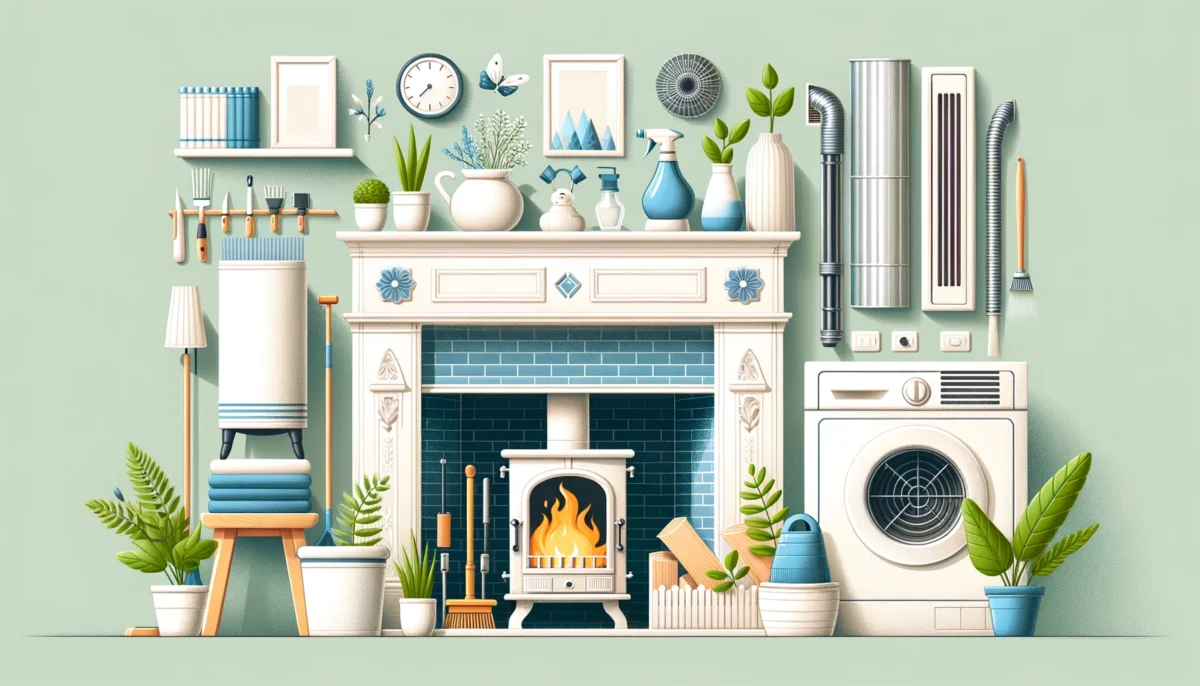
Spring cleaning isn’t just about dusting cobwebs and decluttering closets. It’s a crucial time for home maintenance, ensuring your haven remains safe and efficient throughout the year. As you tackle your spring cleaning to-do list this year, consider focusing on three often-overlooked areas: fireplaces, wood stoves, and dryer vents.

Spring cleaning fireplaces is essential to remove ash buildup and soot, which can hinder performance and even pose a fire hazard. The same goes for wood stoves.  Dryer vents clogged with lint and debris can reduce drying efficiency and become a fire risk.

This comprehensive guide provides valuable insights and practical tips to address these crucial maintenance tasks, ultimately fostering a safer, more comfortable home environment.

Fireplaces – Keeping the Hearth Healthy

The Importance of Annual Fireplace Inspection and Cleaning

Incorporating spring cleaning fireplaces into your annual maintenance routine is not merely good practice; it’s vital for the safety and efficiency of your home.

Regular maintenance helps prevent chimney fires, carbon monoxide poisoning, and can improve the overall efficiency of your fireplace. After a season of use, fireplaces can accumulate creosote, a highly flammable substance formed from burning wood, along with soot and other debris that can obstruct airflow and pose significant fire hazards.

Identifying Common Issues with Fireplaces After Winter Use

After the cold months have passed, it’s common to find a variety of issues with your fireplace and chimney:

  • Soot Buildup: A fine black powder that coats the interior surfaces of your fireplace and chimney, reducing efficiency and air quality.
  • Creosote Accumulation: A tar-like substance that is a byproduct of burning wood. It’s highly combustible and a common cause of chimney fires.
  • Blockages: Birds’ nests, leaves, and other debris can block your chimney, posing a serious fire risk and preventing proper ventilation.
  • Potential Damage: Winter use can lead to cracks in the chimney liner, loose bricks, or deteriorated mortar.

Step-by-Step Guide on Basic Fireplace Cleaning Homeowners Can Do

  • Wait 24 Hours: Ensure your fireplace has cooled down for at least 24 hours since its last use.
  • Preparation: Lay down a tarp or old newspapers in front of the fireplace to catch debris. Wear a dust mask and gloves for protection.
  • Remove Ashes: Carefully scoop out the ashes with a metal shovel and place them in a metal bucket. Dispose of ashes safely, keeping them away from combustible materials.
  • Cleaning the Interior: Use a fireplace brush or a hand broom to scrub the interior walls of the fireplace. A mixture of water and baking soda can help remove soot.
  • Clean the Grate: Remove the grate and brush it down to remove soot and ash.

When to Call in a Professional Chimney Sweep for a Thorough Inspection and Cleaning

While DIY spring cleaning fireplaces can remove superficial debris, a professional chimney sweep is necessary for a comprehensive inspection and cleaning.

Call a professional if you notice:

  • An unusual odor coming from the fireplace.
  • Visible creosote buildup beyond what can be safely removed through DIY methods.
  • Any signs of damage or wear and tear.
  • It’s been more than a year since the last professional inspection.

Professional sweeps have the tools and expertise to safely remove hazardous buildup, check for structural issues, and ensure your chimney complies with safety standards.

Tips for Maintaining a Clean and Efficient Fireplace Until the Next Season

  • Burn Seasoned Wood: Using well-dried, seasoned wood minimizes creosote buildup and ensures a cleaner burn.
  • Use a Chimney Cap: To prevent debris and animals from entering your chimney.
  • Monitor Fire-Burning Practices: Avoid overloading the fireplace and ensure proper ventilation to minimize soot and creosote accumulation.
  • Regular Checks: Periodically check for signs of obstruction or unusual smells, especially after heavy storms or periods of disuse.

By adhering to these guidelines, you can enjoy the warmth and ambiance of your fireplace safely and efficiently, ensuring it remains a cherished part of your home for years to come.

Wood Stoves – Ensuring Efficiency and Safety

Wood stoves provide a cozy, efficient way to heat your home during the cold months. As we transition into spring, it’s crucial to maintain your wood stove to ensure it remains efficient and safe for the next heating season. Spring maintenance is not just about cleaning; it’s about ensuring the longevity and performance of your wood stove.

Common Problems Faced by Wood Stove Users

Wood stove users often encounter several issues that can impact the efficiency and safety of their stoves:

  • Creosote Buildup: A common byproduct of wood burning, creosote is a tar-like substance that can accumulate in the stovepipe and chimney, posing a serious fire hazard.
  • Air Flow Issues: Improper air flow can lead to inefficient burning, resulting in excess smoke and reduced heat output.
  • Wear and Tear: Regular use can cause wear and tear on stove parts, including the door gasket, which may lead to air leaks.

DIY Maintenance Tips for Wood Stove Owners

  • Inspect and Clean the Stovepipe and Chimney: Use a chimney brush to remove soot and creosote buildup from the stovepipe. If you’re comfortable working on the roof, you can also check the chimney, but this is often best left to professionals.
  • Check the Door Gasket: Ensure the door seals tightly. If you can see gaps or feel air leaking, it may be time to replace the gasket.
  • Clean the Interior: Remove ashes and debris from the stove’s interior. A vacuum designed for ash removal can be very helpful for this task.
  • Inspect for Wear and Tear: Check for any signs of wear or damage to the stove and its components. Pay special attention to the firebricks inside the stove; if they’re cracked or damaged, they’ll need to be replaced.

The Importance of Professional Inspections

While DIY maintenance is important, a professional inspection is critical for ensuring the safety and efficiency of your wood stove.

A certified professional can:

  • Thoroughly inspect the chimney and stovepipe for creosote buildup, blockages, or structural issues.
  • Assess the overall condition of the stove and its installation, including the adequacy of ventilation and the integrity of the chimney connections.
  • Provide expert advice on any needed repairs or adjustments to ensure your stove is operating safely and efficiently.

Preparing Your Wood Stove for the Off-Season

  • Thorough Cleaning: After your final use for the season, give your wood stove a thorough cleaning, following the DIY maintenance tips provided.
  • Leave the Damper Open: To allow air circulation and prevent moisture buildup, leave the damper slightly open.
  • Protect Against Rust: To prevent rust, consider applying a light layer of stove oil to the interior surfaces.

By dedicating time to the maintenance of your wood stove in the spring, you can address any issues before they become serious problems, ensuring your stove remains a safe, efficient source of warmth for many years to come.

The Critical Need for Dryer Vent Cleaning

In the routine of home maintenance, dryer vent cleaning might not top the list of priorities, but its importance cannot be overstated. Dryer vents are an essential part of your home’s ecosystem, playing a critical role in the safety and efficiency of your laundry system. Neglecting them can lead to dire consequences.

 spring cleaning fireplaces

The Often-Overlooked Importance of Dryer Vent Cleaning

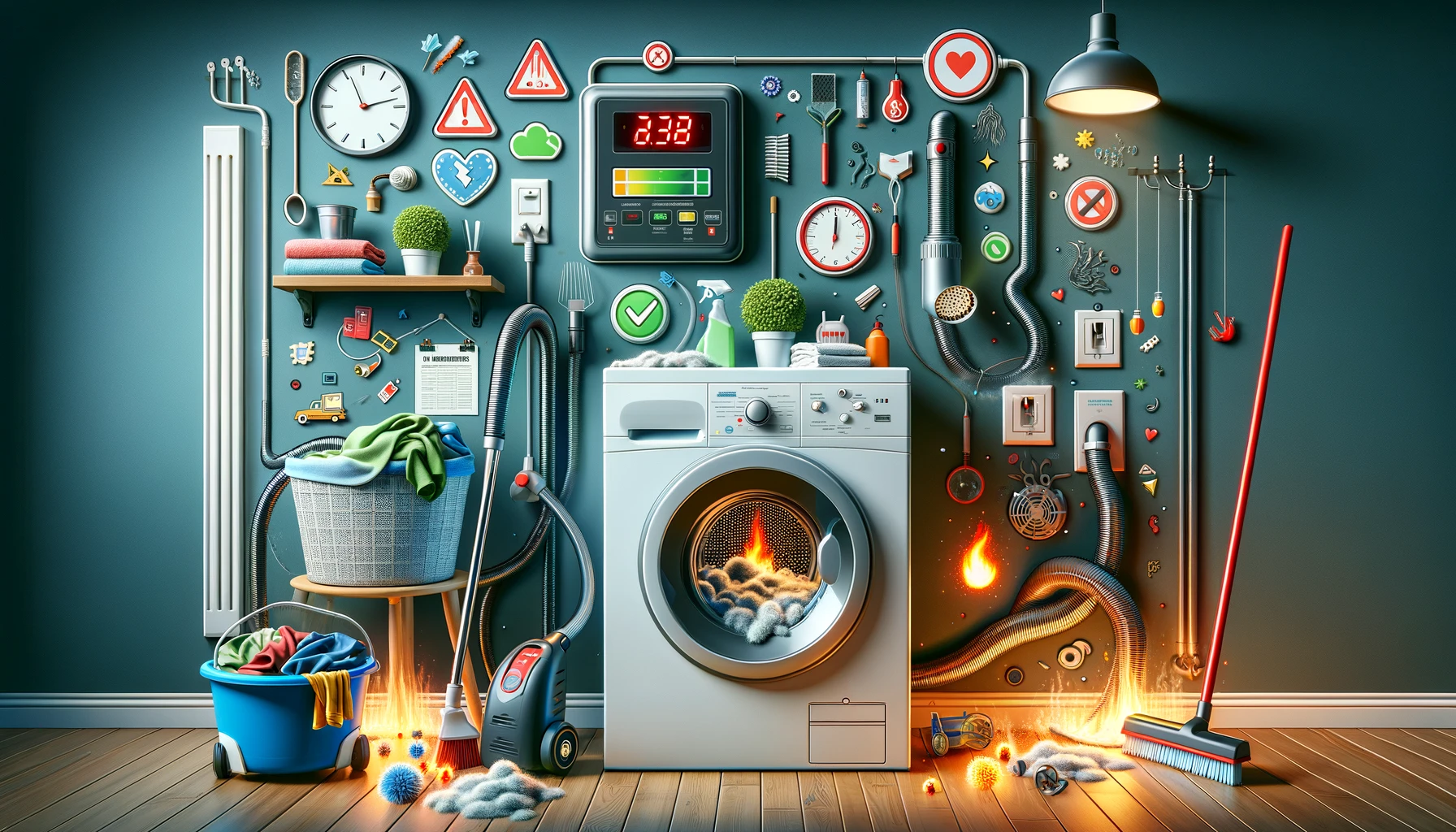
Dryer vents carry away hot, moist air generated during the drying process. When lint and debris accumulate in these vents, they can obstruct airflow, strain your dryer, and create a significant fire hazard. Surprisingly, thousands of home fires each year are attributed to dryer vents clogged with lint.

The Dangers of Lint Buildup

  • Reduced Efficiency: Clogged vents mean your dryer works harder and longer to dry clothes, significantly increasing energy costs and wear on the machine.
  • Fire Hazards: Lint is highly flammable. Combined with dryers’ high temperatures, significant lint buildup can lead to fires that can quickly engulf a home.

Instructions for Homeowners on How to Clean Lint from Accessible Parts of the Vent

  • Unplug the Dryer: For safety, always unplug the dryer before starting any maintenance work.
  • Clean the Lint Trap: Before and after each load, remove and clean the lint trap thoroughly.
  • Check the Venting System: Detach the duct from the back of the dryer and use a vacuum to remove lint from the duct and the area where it connects to the dryer. If accessible, also clean the external vent.
  • Use a Vent Brush Kit: These kits can help you reach lint further along the vent duct. Carefully insert the brush and gently scrub the sides of the duct, pulling out the lint.

The Benefits of Professional Dryer Vent Cleaning Services

While DIY cleaning is beneficial for routine maintenance, professional cleaning services offer deeper, more thorough cleaning. Professionals have the tools and expertise to:

  • Efficiently remove lint, debris, and blockages from the entire vent system, including difficult parts for homeowners to reach.
  • Inspect the vent system for any signs of damage or wear that could affect its performance and safety.
  • Recommend optimal venting solutions, ensuring your system operates safely and efficiently.

Preventative Measures to Minimize Lint Buildup and Ensure Dryer Efficiency

  • Regular Cleaning: Make lint removal from the trap and vent a regular part of your laundry routine.
  • Monitor Dryer Performance: If clothes take longer to dry or the dryer is running hotter than usual, it may be a sign of vent blockages.
  • Consider Metal Ductwork: If possible, use smooth metal ductwork for your venting system. It’s less prone to lint buildup and more fire-resistant than plastic or foil ducts.

By understanding the critical importance of dryer vent maintenance, homeowners can take proactive steps to mitigate risks and ensure their homes remain safe, efficient, and hazard-free.

As we’ve explored, integrating the care of fireplaces, wood stoves, and dryer vents into your spring cleaning regimen is not just about tidiness; it’s about safeguarding the well-being of your home and loved ones. The accumulation of soot, creosote, and lint poses not only a fire hazard but also diminishes the efficiency of your heating and drying systems. This is where the expertise of professional chimney sweeps and dryer vent cleaners becomes invaluable.

Regular professional inspections and cleanings are imperative to prevent potential hazards and maintain optimal performance of your appliances. As we bid farewell to the cold and welcome the warmth of spring, now is the perfect time to ensure your home is prepared for the year ahead.

Contact The Irish Sweep for your Spring Cleaning Fireplaces Needs

Don’t wait! Contact the Irish Sweep today for a comprehensive inspection and cleaning of your fireplace, wood stove, and dryer vents as part of your spring cleaning fireplaces efforts. Let our team of experts provide you with peace of mind knowing your home is in safe, capable hands.

To schedule an appointment or learn more about our services, reach out to us at 510-521-4088. Ensure your home’s safety and efficiency for the upcoming year—call now!

© Copyrights 2026 The Irish Sweep All Rights Reserved.