The Irish Sweep is still accepting calls to answer questions and schedule any service needs. However, no on-site visits are currently being conducted pursuant to the government's stay in place order. Please feel free to contact us at 510.521.4088 to get answers to your questions or schedule a future appointment.

What Does A Chimney Sweep Do?

If you have a fireplace built into your house, you’re lucky. It’s the perfect way to relax and stay cozy on cold nights. Furthermore, there are financial benefits, too. Having a fireplace in a home raises its value by over $12,000.

However, a fireplace also means there’s a chimney that requires regular maintenance. Luckily, this is fairly simple when you do your research and hire the right chimney cleaner.

Here’s a look at the process of cleaning a chimney, as well as the amazing people who do this work. Read on to learn why chimney maintenance is so important…

What Does A Chimney Sweep Do?

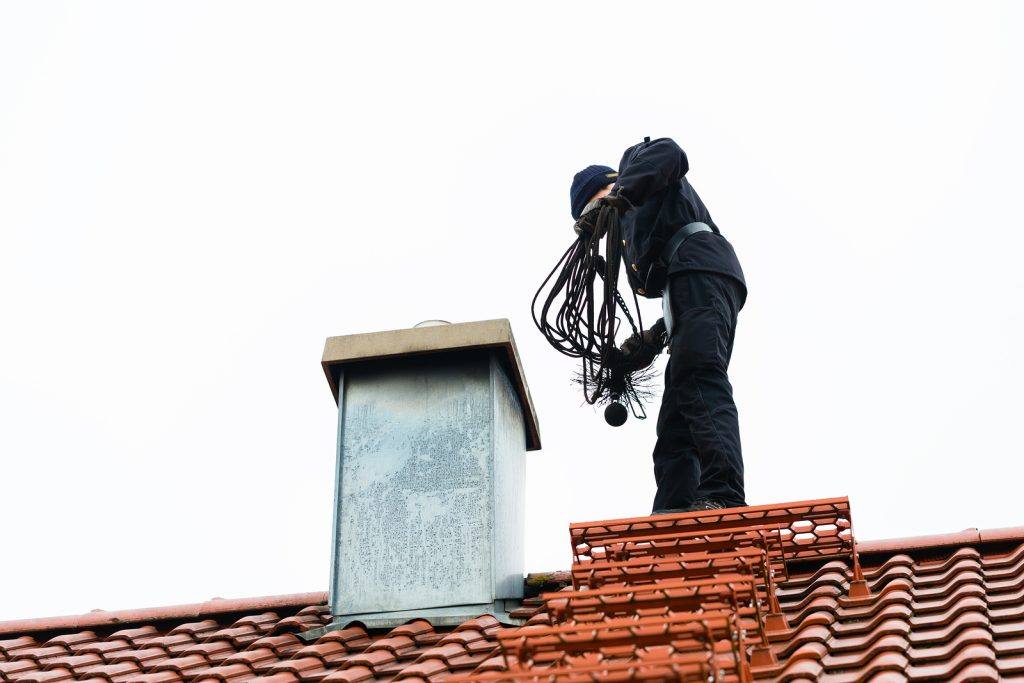
Yes, a chimney sweep sweeps out your chimney, but there’s a bit more to the career description than that. The chimney sweep will go into the chimney and assess how much ash and soot are trapped inside it. This step determines his or her next course of action. Specifically, how much cleaner they need to bring inside the chimney with them.

Though the job title sounds Dickensian, chimney sweeps today use modern cleaners, as well as vacuums and other tools to get the job done.

Why Does It Matter?

Chimney maintenance is crucial to your home safety because a dirty chimney is a fire hazard. In fact, it drastically increases the probability of chimney fires. These disasters happen when soot and ash combust. The fire sweeps through the inner tiles of the chimney, as well as the flue lines and stovepipes.

Additionally, leaving soot and ash in the fireplace can pollute the air of your home and make it difficult to breathe. If soot and ash enter your lungs, you put yourself at risk for lung and respiratory issues. While a chimney sweep has the right knowledge and tools to prevent this from happening to them, you don’t. This is why DIY chimney cleaning is a major no-no.

Hire A Chimney Cleaner Today

While it’s easy to forget about your chimney when sprucing up the rest of your home, it’s one of the most important areas to remember, not only for sanitation, but safety, too.

When was the last time you had your chimney cleaned? Now that you understand why chimney maintenance is so vital, it’s time to get started. Contact us to schedule an appointment today!
Your Guide To A Chimney Dismantle

Did you know that 60% of new US homes contain at least one fireplace?

It’s not hard to understand the appeal. Aside from the obvious (making your house warm), a functioning fireplace can boost your home’s value by as much as $5,000.

The question is: What happens if you want to remove or replace an existing chimney?

Chimney dismantling is no easy undertaking, which is why many homeowners opt to leave it to the pros. If you do decide to tackle the project on your own, what do you need to know?

In this post, we’ll provide a brief overview of chimney removal. Read on to learn more!

Know Your Chimney Anatomy

The two main parts of a chimney are the stack (the part that extends over the roof) and the breast (located within the home). A chimney removal project will always include the stack, but it may or may not include the breast.

Why? Most chimneys function independently of the walls, roof, and other structural elements. Still, it’s common for chimneys to spread from the foundation across multiple stories—often right through the center of your home.

In many cases, the interior parts of the chimney can remain intact while only the stack is removed. It all depends on how your chimney is installed and which (if any) structural elements are involved.

If you’re unsure about your chimney’s structure, it’s best to consult a professional for guidance.

Removing The Stack

What if you only want to remove the chimney stack that’s visible on the roof? This is called a partial chimney removal and is definitely the easier of the two options.

The process is a matter of removing the bricks and other elements until it’s flush with the surface of the roof. This can be done with a hammer and chisel or a power tool like an impact hammer or mini-jack.

After that, it’s simply a matter of patching up the hole to prevent leaks or other damage to the roof.

Removing The Breast

What if you want or need to remove the entire chimney, including the interior portions? This is a much larger project requiring more labor, time, and cost.

The process of removing the bricks is the same, but you’ll be left with holes in your floors and walls. These, of course, need to be properly patched once the chimney is gone.

What if you learn that your chimney is an integral part of your home’s structure? Before any demolition can begin, you’ll need to reinforce the framework of your home to ensure it’s supported after the chimney removal.

D0 You Need A Chimney Dismantling Service?

Is it possible to complete a chimney dismantling project on your own?

Yes, but it will require the right tools, lots of hard work, and plenty of patience. For that reason, many homeowners decide to hire a chimney service to do the hard work for them (and ensure it’s done right).

Do you live in the Bay Area? Are you in need of a reputable chimney removal service?

Contact us today to discuss your project. We look forward to working with you!

PREPARING YOUR FIREPLACE FOR FALL AND WINTER

Nothing is more pleasing when the temperature drops than the soft amber blaze of a crackling fire. But before you light up that firewood, there are numerous steps you need to take to get your fireplace ready, and for excellent reason. Prepping your fireplace for fall can:

  • Improve the air quality in your house
  • Avert fires
  • Save energy
  • Keep your home warm

Chimney preparation steps are given below:

ARRANGE A YEARLY INSPECTION

All chimneys should be examined and cleaned by a chimney cleaning company at least once a year. A careful cleaning will eliminate any buildup of creosote, an oily and extremely flammable byproduct of burning wood, gives you a safer fireplace.

CLEAN THE FIREBOX

Eliminate and clean the grate and other accessories that are inside the firebox. Vacuum or remove the ash and store it in a metal container with a sealed lid. There are several ways you can recycle the ash. You can use it in your backyard as a fertilizer, to dissolve ice, and even clean the fireplace doors, for example. Be sure to keep a small amount of ash. It will help with starting your initial fire of the season.

CHECK FOR CRACKS AND DAMAGE

Check for cracks and wobbly joints of the firebricks inside the fireplace, and check the external masonry for damage. Hire an expert mason to do any repairs—never try to repair firebrick with ordinary mortar, as the blend cannot stand up to high heat.

EXAMINE THE CHIMNEY CAP AND DAMPER

Ensure the fireplace damper is working accurately and that there is no wreckage preventing it from opening and closing. Make sure that the chimney cap is firmly attached and in good condition. The cap should comprise protective screening to keep birds, squirrels, and other pests from entering the chimney.

CLEAR AWAY TREE LIMBS

While you are outside examining the chimney cap, trim any overhanging tree limbs that may be squeezing on the chimney. Tree limbs can restrict the proper draft of the chimney and spoil the cap.

CLEAR OUT ASHES

Clean out the firebox once in a week, or whenever the ash is more than an inch deep. Coals can stay hot for up to three days, so ensure everything is completely cold. Remove or vacuum the cold ashes and dispose it outside—wood ashes are just right for garden beds and compost piles.

HOW TO PREP A GAS-BURNING FIREPLACE

Clean the blower

Check your gas-burning fireplace to see if it has a blower. If it does, clean it. Distinct from furnace blowers, the blowers of gas-burning fireplaces do not have a filtering system to stop buildup. Dust buildup can cause early wearing of the bearings. Dust can insulate the motor, which prevents it from cooling correctly, eventually leading to motor failure.

Replace batteries

Before every season, change the batteries in any remote transmitters and receivers, if appropriate. Also, replace the batteries and examine any smoke or carbon monoxide detectors to ensure they are working properly.

WHAT HAPPENS WHEN YOU HAVE A CHIMNEY SWEEP INSPECTION

If you’ve never had your chimney inspected, you might be wondering what exactly happens when the inspector comes. Annual inspections and chimney cleanings are recommended for safe fireplace burning. You’ll want to get it done between your last fireplace usage last year and your first fire this winter to ensure that it’s in good working condition.

At your scheduled chimney inspection, your chimney sweep will likely use a special camera to look inside the system, affording them a better view of what’s going on where your fire and smoke travel.

Here’s what they’ll look for:

1.     STRUCTURAL ELEMENTS AND FLUE

The chimney sweep will first look at the exterior and interior of the fireplace and chimney, looking for any problems of wear and tear, including the fireplace, chimney, flue and hearth. These structural elements can affect whether your chimney stays standing after earthquakes or severe weather.

2.     COMBUSTIBLES ARE SECURED

They’ll also look at the structure of the chimney. This is to be sure that combustibles can’t contact any other building materials, which would be a fire hazard. Your fire should stay within a completely secure firebox area. The risk of slow-burning fire within your walls is something to take very seriously.

3.     OBSTRUCTIONS

Your chimney sweep will look for any obstructions. These could possibly block the venting of smoke, combustible byproducts and gas, such as animal nests, leaves and other debris. An obstruction could cause these gasses to build up dangerously inside your home instead of leaving like they should.

4.     VOLUME AND KIND OF COMBUSTIBLE DEPOSITS

A chimney sweep will look at the volume and nature of any combustible deposits building up on the walls of the chimney to see if they pose a danger. Creosote can ignite within your chimney or flue and is highly flammable.

HOW OFTEN DO YOU NEED A CHIMNEY SWEEP?

Regular chimney cleaning helps your chimney to function efficiently and safety, boosting the chimney’s function and reducing the risk of chimney fires. But how often do you need a professional chimney sweep? It’s an important question to which there is no one right answer. However, understanding how often you should sweep your chimney is important to keep your fireplace in top condition.

Why is Chimney Cleaning Important?

Chimney cleaning helps to remove buildup of ash, soot, dust and debris from inside your chimney, and most importantly helps remove creosote. Creosote builds up on the inside of chimneys and flues when wood fuel is burned. The less efficiently wood is burned, the more quickly creosote builds up. This makes it difficult to determine when a fireplace needs cleaning based on usage alone. One fire where the wood is burned inefficiently may contribute much more creosote than many fires where the wood is burned properly. Creosote is highly flammable and can trigger a chimney fire if left to build up to more than 1/4 inch. Regular cleaning helps to remove buildup such as creosote and keep your chimney safe from fires.

How Often Should You Clean Your Chimney?

Because the degree of creosote buildup can vary depending on how wood is burned, it can be tricky to work out just how often you should have your fireplace cleaned.

Ideally, it’s best to ask a chimney professional to provide a chimney inspection to gauge the level of creosote buildup and determine whether a clean is necessary.

Otherwise, as a rule of thumb the National Fire Prevention Association and the Chimney Safety Institute of America both recommend a chimney should be cleaned and inspected for structural soundness and integrity at least once a year.

If I Haven’t Used My Fireplace Much, Can I Avoid Cleaning It?

Because creosote buildup can occur after relatively few fires where wood has burned incompletely, using your fireplace rarely isn’t necessarily a good reason to avoid cleaning it. Fireplaces can also deteriorate structurally due to water or impact damage and become clogged with debris or even pests, so it’s best to schedule chimney inspection and cleaning at least once a year at the minimum.

Should My Chimney Be Cleaned More Frequently?

If you know that your fireplace is used often and your fireplace burns wood inefficiently, you may need to have your chimney cleaned more often. Chimney cleanings should be aligned with creosote buildup, so in chimneys where creosote buildup is happening more rapidly, cleanings should be more regular. This can also be the case where certain types of wood are burned, such as pine, which naturally releases more creosote. If you use your fireplace very frequently, or are aware that your fireplace is burning fuel inefficiently, it is advisable to consult with your local chimney expert about how often your chimney sweeps should be.

Regular chimney cleaning and inspection helps to keep your fireplace safe, tidy, strong and chimney fire free. Talk to your local chimney sweep about how often your chimney should be cleaned based on your individual needs.

© Copyrights 2026 The Irish Sweep All Rights Reserved.