
The Irish Sweep is still accepting calls to answer questions and schedule any service needs. However, no on-site visits are currently being conducted pursuant to the government's stay in place order. Please feel free to contact us at 510.521.4088 to get answers to your questions or schedule a future appointment.

How Rain Affects a Chimney Without Cap

April showers bring May flowers, right? Well, they can also bring leaky chimneys! If you have chimney without cap, you’re in for a wet time. You’ll start seeing symptoms of leaks during spring and summer, and even chimneys that’ve never had problems before can leak.

YOUR CHIMNEY WITHOUT CAP

Chimneys are complex structures and are always exposed to the weather. They aren’t designed to go with chimney without cap, but not everyone knows this. Because chimneys are always exposed, rain water, leaves, feathers, and all sorts of things can fall into them and build up or cause damage.

The entrance of rain into your chimney may not sound very dramatic to you. But when the masonry and other components in your chimney degrade and lose stability, or lose fire proofness, it becomes dramatic. Wetness can cause spalling and crumbling brickwork, and things like leaves that fall into your chimney are a fire hazard.

WHY GET A CHIMNEY CAP?

The top reason is to prevent damage to your home. To prevent water coming in, part of a chimney cap acts like an umbrella, and a screen section prevents the debris from falling in or sparks from floating out.

Don’t worry about a chimney cap affecting your draft. If your chimney cap has sufficient clearance and you keep it clean, it will either not affect your chimney draft or improve it. When wind blows, the convex shape of the cap creates a slight vacuum at the top of the flue so your chimney should draw better with the cap in place. Some chimney caps are even specifically designed to improve chimney draft!

IF YOU SEE WATER COMING IN, IT COULD ALSO BE DUE TO: FLASHING

If your chimney flashing starts to wear down, water can get in. Flashing is a tight strip inside your chimney that seals the seam between your roof and chimney to prevent water coming in. If the flashing is damaged or loses its seal due to age or wear and tear, water will get through the gaps. This can in turn water damage to the roof, chimney, ceilings and walls. Metal flashings are preferred over mastic flashings.

INCORRECT CHIMNEY CAP

Water can get in if the chimney cap doesn’t fit well. Chimney without cap that fits, the fireplace and flue are completely exposed to water from the rain. An ill-fitting cap is barely better than no cap at all.

MASONRY DAMAGE

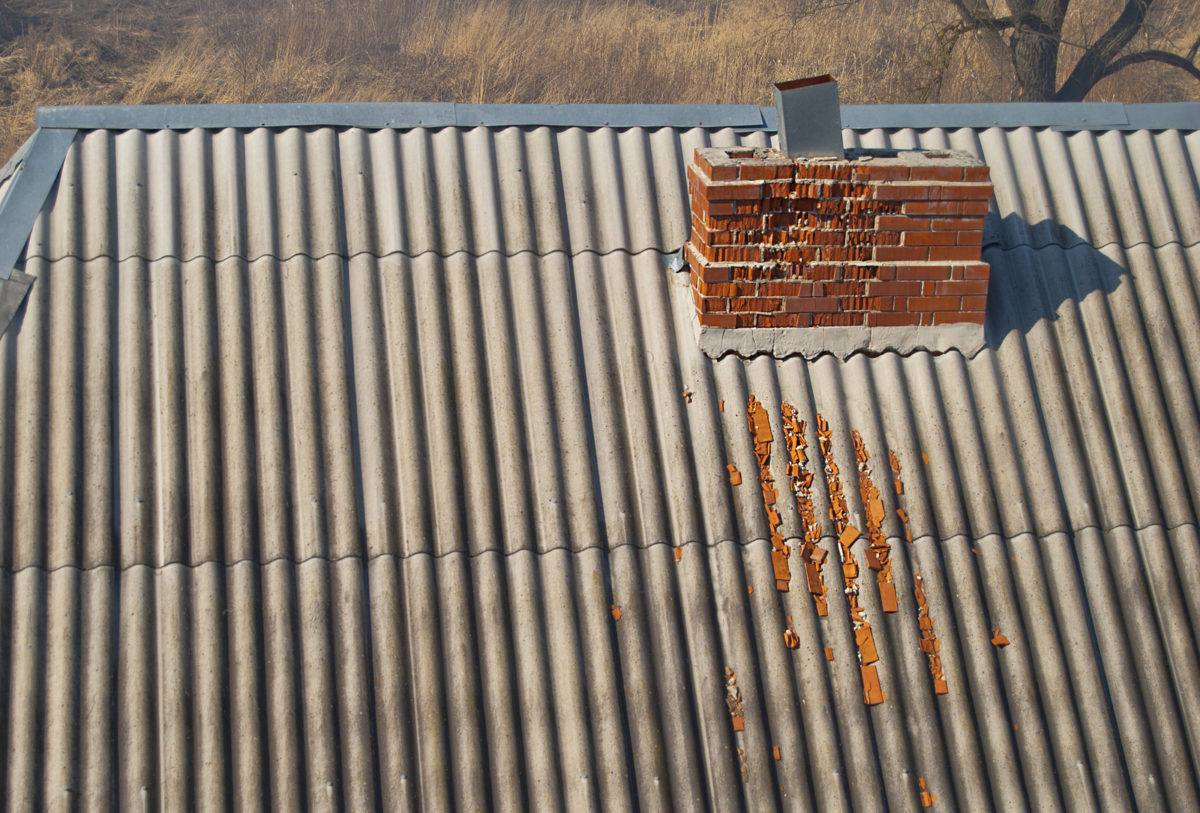
Because your chimney is directly exposed to rain, the masonry components will deteriorate over time. Water can cause bricks to spall and crack (letting in water), in addition to making your chimney look unkempt.

You may know your chimney is leaking because you see visible water in the flue or fireplace. But because of the complexity and size of many chimney systems, leaks can easily go undetected for a while. You might not even know there’s water damage until significant damage has already been done.

To prevent chimney leaks, it’s best if you call in a professional for annual Irish Sweep chimney sweepings and inspections. We’ll be able to detect any damage so that you can get it fixed before the chimney starts to leak!
Why Remove An Old Chimney?

The reasons for removing an old fireplace and chimney removal Bay Area may vary. Maybe the chimney is damaged, or you just do not use it often enough? A chimney and fireplace add character and warmth to a home, but there is more to these architectural features than cozy aesthetics.

Here are some reasons that some people choose existing fireplace and chimney removal:

LACK OF UTILITY

These fireplaces are often relics of a different time when fires were the only source of heat in a home. Modern families are increasingly less likely to use a fire. Fireplaces are often nothing more than an ornamental feature in a room, and the chimney is just a place for heat and cold to pass through. 

CHIMNEY REMOVAL BAY AREA FREES UP VALUABLE SPACE

Maybe your home lacks storage, has cramped living space, or you just want more free room. Removing a fireplace can give you the space you want. You can often remove a fireplace inside the building, leaving the chimney stack intact above roof level. This can free up valuable floor space inside.

KEEPING IT MAY BE AS COSTLY AS FIREPLACE AND CHIMNEY REMOVAL BAY AREA

Removing an old chimney and fireplace is one way to avoid costs. Cost like repairing your current chimney, upkeep and future maintenance, and also save you on utilities by increasing your effective insulation.

Weigh up the cost of repairing and retaining a fireplace/chimney in working order. The cost of installing, repairing or maintaining new hearths, chimney linings or flues may well equal to or even more than the cost of removing an old one. 

SAFETY REASONS

Older chimneys, especially brick ones, can pose an earthquake danger. For a family that doesn’t gain much joy from their fireplace, the risk of a falling chimney is not worth taking. To fulling understand the likelihood of your chimney falling in an earthquake, schedule a safety inspection with professionals like The Irish Sweep.

If you’re considering removing your fireplace or chimney, you have options. You can install a gas fireplace, have no fireplace, or build a new one, depending on the architecture involved. If you have any questions or concerns, call us today.

Chimney Flue Repair: Why It Matters for Your Home’s Safety

Chimney flue repair isn’t just a matter of maintaining your fireplace; it’s about protecting your home. A properly functioning chimney flue is essential for venting smoke, gases, and other dangerous byproducts safely out of your living space. When the flue becomes damaged or blocked, it can no longer perform this critical job, putting your home and family at risk.

Common culprits include bird nests, leaves, trash, and even deteriorating masonry, all of which can clog your flue and restrict airflow. Over time, soot buildup and crumbling bricks can further compromise your chimney’s interior, leading to unsafe conditions and potential structural issues.

Older homes, in particular, may have aging flue liners or outdated materials that no longer meet modern safety standards. If your fireplace is smoking, smells unusual, or hasn’t been inspected in years, it may be time to consider professional chimney flue repair.

At The Irish Sweep, we specialize in thorough inspections and trusted flue repair solutions designed to restore your chimney’s safety and performance. Whether you’re dealing with minor wear or major damage, our certified team is here to help.

Warning Signs of a Blocked Chimney

A blocked chimney may be hard to diagnose on your own, but there are some telltale signs to watch for.

These warning signs include:

  • A smoky smell when burning a fire
  • Falling debris inside the hearth
  • Water streaks inside the flue
  • Excessive soot
  • White residue on the flue walls

What Can Cause a Chimney Blockage?

There are three main causes of chimney blockages:

  • An excessive build-up of soot or creosote (tar)
  • Birds, squirrels, or other small animals nesting in the chimney
  • The collapse of the internal chimney bricks

Inspecting Your Chimney

1. Wear a Safety Mask and Goggles for Eye Protection

Don a pair of gloves and place a handkerchief over your mouth and nose to keep you from inhaling loose, falling soot. Wear a hard hat to protect your head. Chimneys that have not been periodically cleaned may have a lot of debris.

2. Open the Chimney’s Maintenance Door

Typically, it is located outside the house, but check your home’s blueprints for the exact location. Hold the mirror through the maintenance door, facing upward. With your other hand, shine the flashlight on the mirror. Adjust the angle to allow you to see up into the chimney.

3. Inspect the Chimney Flue

Check the chimney flue from the outside of the building and again from the inside of the fireplace. Open the damper, and shine the flashlight up the walls with the mirror. See if you can insert a broom handle or long stick through the fireplace opening.

4. Feel the Heat

When a clogged fireplace is operating, heat and moisture will back up into the home. When the chimney is unused, during summertime, for example, soot from a wood-burning fireplace or rust debris from the metal hood of a gas fireplace can amass. 

Chimney Flue Repair

Chimney flue repair is a job best left for a professional. They have the tools necessary to reach and remove the debris clogging the flue. How quickly and easily the chimney is cleared will depend on how compact the blockage is. To prevent clogs in the future, an annual chimney cleaning is recommended.

Regular cleanings will keep your flue clear while also warning you of any potential problems before they turn into costly chimney flue repair. Installing a chimney cap onto the flue can also help limit the number of clogs your chimney experiences. Stopping debris from entering the system in the first place, caps can provide a proactive approach to chimney maintenance.

Schedule an Inspection

Worried you need a chimney flue repair? Let The Irish Sweep take a look. Our certified experts specialize in diagnosing and resolving chimney issues—big or small—so your home stays safe, warm, and efficient. We use trusted tools and proven methods to get to the root of the problem. From buildup and debris to damaged flue liners, we’ll make sure your chimney is clean, clear, and ready to perform. Let’s talk!

© Copyrights 2026 The Irish Sweep All Rights Reserved.