The Irish Sweep is still accepting calls to answer questions and schedule any service needs. However, no on-site visits are currently being conducted pursuant to the government's stay in place order. Please feel free to contact us at 510.521.4088 to get answers to your questions or schedule a future appointment.

The Case for Reduced Chimney Height: Enhancing Homeowner’s Seismic Safety

California residents have experienced it before: waking up to a gentle shake in the middle of the night, pictures trembling on the walls, and furniture swaying to the rhythmic jolt of the Earth. It’s an earthquake, a natural phenomenon that strikes with little warning. These seismic tremors, while undeniably intriguing from a geological standpoint, pose substantial risks to human safety. Specifically, they pose a threat to our homes, the very places we retreat to for safety and comfort.

And one architectural element, often overlooked, might be a ticking seismic time bomb: your chimney height.

In this in-depth look, we’ll unravel the case for reduced chimney height as a vital step for enhancing homeowners’ seismic safety.

Part 1: Chimneys – The Silent Seismic Hazard

Upon mentioning earthquake hazards, one might think of skyscrapers swaying ominously or bridges teetering on the brink of collapse. But, shockingly, the humble chimney is an equally significant threat.

What happens to a chimney during an earthquake?

During an earthquake, the ground shakes due to seismic waves radiating out from the earthquake’s epicenter. These waves cause buildings and structures, including chimneys, to move and vibrate. This seismic activity impacts structures differently based on their design, mass, material, and height.

Specifically, chimneys can be significantly affected due to their height, mass, and isolation from the main structure. The shaking can be amplified as it moves upwards along the chimney’s system (a phenomenon known as the ‘whip effect’), leading to increased stress and potential damage at the top.

As the ground beneath it shakes, a chimney sways back and forth, resulting in two primary types of stress: shear stress and bending stress. Shear stress occurs when different sections of the chimney height shift in opposite directions, while bending stress happens as the chimney bends under the swaying motion.

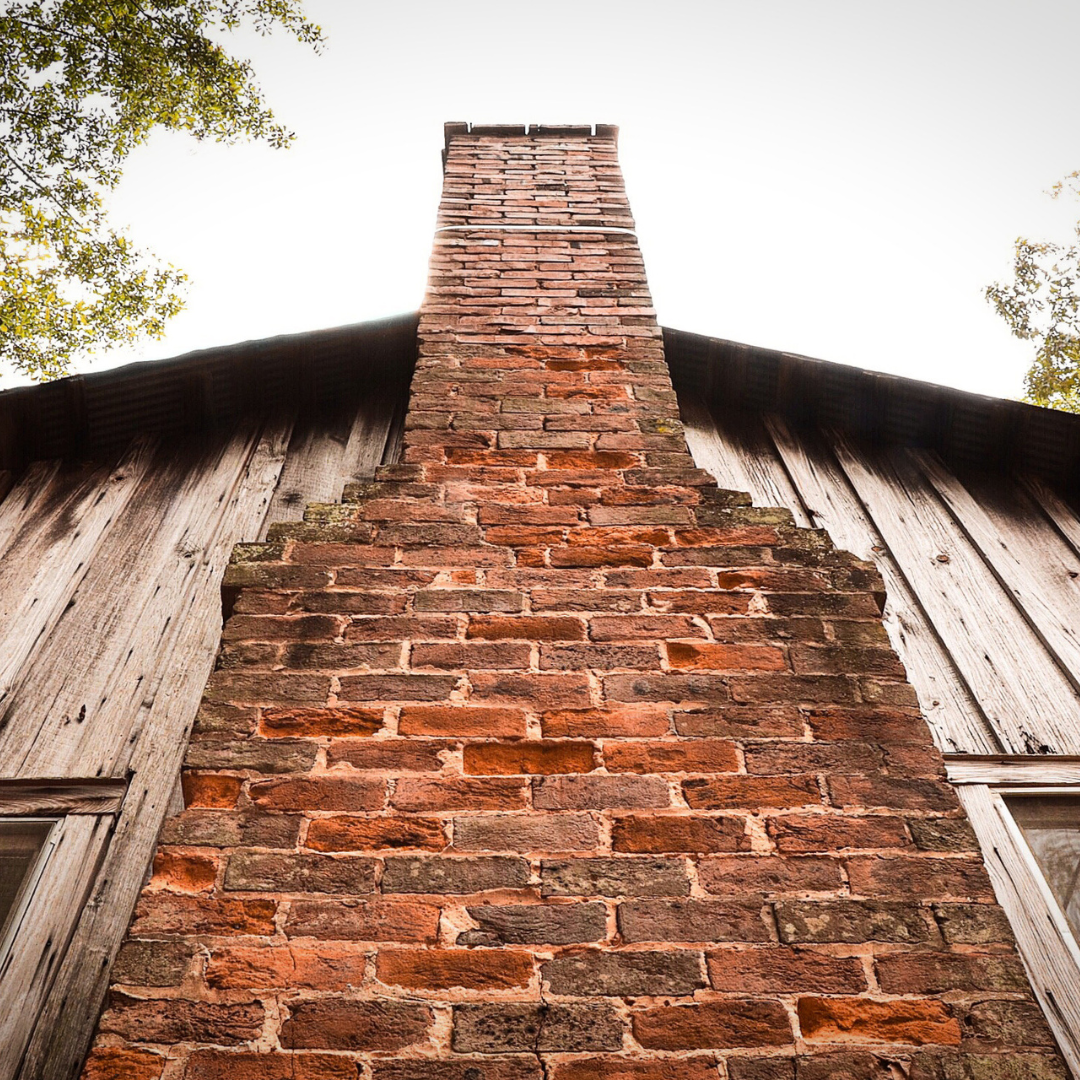
Chimney height, especially tall ones made from unreinforced masonry like brick or stone, do not handle these stresses well. As a result, the movement can cause the mortar between the bricks to crack, the bricks themselves to break, or in the worst cases, the entire chimney to collapse. This is further exacerbated if the chimney is poorly maintained or has pre-existing cracks or faults.

Furthermore, as chimneys are often isolated from the rest of the building, they can’t effectively dissipate the earthquake’s energy into the broader structure. This isolation leads to the concentration of seismic forces in the chimney, increasing its vulnerability to damage.

Hence, during a significant earthquake, there’s a real risk of chimney collapse, which can cause severe damage to the building and pose a hazard to its occupants and surrounding properties.

Part 2: Embracing the Science of Safety: The Chimney Height-Vulnerability Correlation

While we can’t predict when earthquakes will strike, we can anticipate their effects and mitigate their risks, thanks to the power of science. Shorter chimneys are less likely to collapse or sustain damage during an earthquake. But why is that?

The correlation between reduced chimney height and its susceptibility to seismic damage boils down to the principle of inertia – the tendency of an object to resist any change in its motion. A taller chimney has more mass acting at greater heights. Consequently, during an earthquake, it experiences a higher inertial force. This force acts horizontally, perpendicular to the chimney’s height, causing it to sway – a fatal motion for such a brittle structure.

By reducing the chimney height, we lower the center of mass and decrease the moment of inertia, making the chimney less likely to succumb to the lateral forces produced by an earthquake.

Part 3: The Silver Lining: Lower Chimneys and Gas Inserts

Scientific understanding now presents us with an opportunity: by lowering the height of a chimney, we can enhance a home’s seismic safety. This recommendation is particularly helpful if one is considering installing a gas insert. Reducing a chimney’s height before installing a gas insert reduces its seismic liability, but that’s not all.

Here’s the bonus: gas inserts don’t require the same chimney height to perform well as traditional wood-burning fireplaces. Unlike their wood-burning counterparts, which rely on a high chimney to draw smoke upwards and out of the home, gas inserts expel combustion gases directly outside through a separate venting system. So, not only will reduced chimney height enhance seismic safety, but it won’t compromise the fireplace’s efficiency.

Part 4: Charting the Course: Practical Steps for Homeowners

Reducing a chimney’s height is a significant project that can profoundly impact a home’s safety. It necessitates a keen understanding of structural engineering principles, building codes, and safe construction practices.

The first step is to have a chimney professionally evaluated to assess its current condition and its possible associated risks. The evaluation should include the chimney’s current height, overall structural integrity, materials used, and location in relation to other parts of the building. All these factors contribute to its potential behavior during seismic activity.

Next comes the reduction process, during which the chimney is carefully dismantled to a safer, more appropriate height. It’s not as simple as lopping off the top bricks until you reach the desired height. Each brick, each layer of mortar, must be removed with care to avoid destabilizing the entire structure.

Once the height reduction is complete, a professional should conduct a thorough inspection to ensure everything has been done correctly. They should confirm that the newly reduced chimney maintains its structural integrity and adheres to the relevant building codes.

Part 5: Prioritize Safety: Act Today

Now that we’re armed with knowledge, the next step is to act. With each passing day, the seismic time-bomb continues to tick. Ignoring it is not an option. By taking the initiative to reduce our chimney’s height, we can ensure the safety of our homes and loved ones.

At the same time, remember that you’re not alone in this journey. There are professionals available who have dedicated their careers to ensuring the safety of homes like yours. They understand the intricacies of chimneys, the local building codes, and the precise techniques to reduce chimney height safely. Hiring such professionals is a prudent decision that guarantees the job will be done right.

Secure Peace of Mind with The Irish Sweep

While the reality of earthquakes can’t be ignored, the dread associated with their potential destruction doesn’t have to loom over us. By understanding the risks and taking preventive measures, we can secure our homes and peace of mind. The safety of our loved ones should never be a matter of debate – it’s a priority.

In that spirit, it’s time to make a decision. It’s time to step up and secure your home. Reach out to a professional to evaluate your chimney, especially if you’re considering installing a gas insert. The benefits of this step are far-reaching, potentially averting a disastrous chimney collapse and ensuring that your home is as safe as it can be in the face of seismic activities.

At The Irish Sweep, we understand that taking this step can be daunting, and we’re here to help. Our experienced team can provide a thorough assessment of your chimney, propose modifications to enhance safety, and perform these modifications with the utmost care. Our commitment is to make your home safer, and your peace of mind is our ultimate reward. So why wait? Call us today to schedule a consultation. Secure your home. Secure your peace of mind.


6 Signs You Need a Chimney Crown Repair or Replacement

How do you know if you need chimney crown repair? Read on to find out. 

Nothing quite compares to the warm and cozy feeling of sitting by a crackling fire. But, like all good things, the beloved fireplace and chimney require regular maintenance, particularly the often-overlooked chimney crown.

The chimney crown, that concrete or cement cover at the top of a chimney, has an essential job — shielding the chimney and its interior components from weather damage. But what happens when this protective barrier starts to fail? 🤔

Here are the telltale signs that a chimney crown may need some TLC or, in some cases, a complete replacement.

Sign 1: Visible Cracks 🕸️

Cracks are the easiest and most common indication of chimney crown damage. Even the tiniest fissures can let in water, leading to more significant issues down the line, such as spalling (more on that later). If you see cracks, it’s time to call a professional.

It’s vital to conduct a thorough check for cracks in these areas:

1️⃣ Chimney Crown: The top of the chimney is the most exposed area and often the first to show signs of wear and tear.

2️⃣ Chimney Flue: Inspect the liner of the chimney. Cracks here can lead to dangerous situations, including fires and carbon monoxide leaks.

3️⃣ Chimney Bricks and Mortar: The bricks and mortar that make up the chimney can also develop cracks, especially in the joints.

4️⃣ Chimney Flashing: This thin piece of metal that connects the chimney to the roof can also crack, leading to leaks.

5️⃣ Chimney Shoulder: The wider base of the chimney, often made of brick or stone, is another spot to check for damage.

Remember, a crack may appear insignificant at first, but can quickly become a gateway for more substantial damage if left alone.

Sign 2: Water Leaks 💦

If you spot water or moisture in the fireplace or around the chimney, it’s a pretty sure bet that something’s wrong up top and you should start thinking to have your chimney crown repair. This moisture could indicate a failing chimney crown, allowing water to seep into the home, causing structural damage and even mold growth.

A leaky chimney crown could lead to a cascade of complications. Apart from the obvious water damage, which can cause substantial structural issues over time, there’s also the risk of mold growth. Mold, apart from being unsightly and potentially causing unpleasant odors, can pose a significant health risk to the residents of the home. Exposure to mold spores can trigger allergies and cause respiratory problems, among other health issues.

Moreover, water leaks can exacerbate the wear and tear on other parts of the chimney, accelerating the deterioration of bricks, mortar, and metal components.

Therefore, spotting water or moisture isn’t just a sign that you might need a chimney crown repair or replacement—it’s a warning that more significant problems could be on the horizon if the issue isn’t addressed promptly.

Sign 3: Spalling 🧱

Spalling is a fancy term for what happens when water penetrates masonry and forces the surface to peel, pop out, or flake off. If you notice bits of masonry around the chimney or in the fireplace, it’s a sign the crown could be letting in water so you should start considering to have your chimney crown repair.

Sign 4: Deteriorating Mortar Joints

Mortar joints are another sign to consider chimney crown repair, it holds the chimney bricks together. When they begin to deteriorate—usually due to water exposure—the chimney becomes structurally unsound. This deterioration can be a symptom of a damaged chimney crown.

Sign 5: Chimney Liner Damage

Imagine the chimney liner as the chimney’s personal bodyguard. Its critical job is to guide smoke and harmful gases safely out of your home, ensuring that your fireside experience remains as pleasurable and safe as possible.

But when this unsung hero of the chimney system is damaged, you may start to see some changes. The quality of your fire might diminish — it may not burn as brightly or as efficiently as before. Even more concerning, you might start to notice smoke inside the home, turning your cozy evening by the fire into a cough-inducing, eye-watering event. 🏭

Why should you care about chimney liner damage? Because it could point to an even more significant issue — a failing chimney crown. When water penetrates through a damaged crown, it can reach the liner, leading to rust, cracks, or worse.

Remember, your chimney liner isn’t just a functional component; it’s a critical safety feature of your home. So, if you suspect any damage to it, it’s time to give your chimney the attention it deserves. 

Sign 6: Rust on Firebox or Damper

Rust: it’s the silent enemy of any metal component, and your chimney is no exception. Like an unwelcome guest, rust often shows up when water has found a way into places it doesn’t belong – in this case, the firebox or damper.

The firebox and damper play crucial roles in the fireplace’s function and safety. The firebox houses the fire, while the damper controls airflow, helping guide smoke up and out of the chimney. If either of these components starts to rust, it’s like a red flag waving, signaling that water is invading the chimney. 🚩

But rust doesn’t just act as a sign of trouble — it can cause trouble, too. If the damper starts rusting, you might find it becomes stiff or difficult to operate. This can result in poor ventilation, leading to smoke-filled rooms or inefficient fires.

💡 Did You Know?

A common misconception many homeowners hold is that chimneys, particularly those built with masonry, are impervious to weather conditions and completely resistant to water penetration. This is not true! While masonry chimneys might seem strong and permanent, they are far from invincible. Even certain stones are susceptible to water damage.

Constructed from a medley of masonry and metal materials, such as brick, mortar, concrete block, stone, flue tile, steel, and cast iron, each of these materials is susceptible to damage when subjected to direct contact with water or enduring water penetration. So, despite their sturdy appearance, masonry chimneys are not immune to the ravages of water and weather.

There’s a lot of potential damage to the chimney—and your wallet—if the chimney crown isn’t doing its job! 

Time for Action! 🚀

Spotted one or more of these signs? Fear not; The Irish Sweep is here to help. Whether it’s a simple chimney crown repair or a full-on chimney crown replacement, we’ve got you covered.

Chimney Crown Repair: Wrapping a Raincoat Around Your Chimney ☔

There’s something beautifully poetic about the rain, but when it comes to your chimney, poetry can quickly turn into a homeowner’s nightmare. This is where The Irish Sweep truly shines, by offering solutions that are as innovative as they are effective. 

We utilize specialized products that work wonders in waterproofing most chimneys. These exceptional products are unlike anything else currently available on the market. They function by creating a barrier against the elements, yet still allow any trapped moisture within the masonry to evaporate. Unlike other waterproofing solutions, a “chimney raincoat” won’t alter the appearance of your chimney, or even leave a finish, ensuring the authentic look of your chimney remains untouched. 🏡

And the best part? This remarkable “chimney raincoat” is guaranteed for an impressive 10 years! So, instead of worrying about the next downpour, you can relax, secure in the knowledge that your chimney is protected from whatever the weather throws its way.

Prevent damage before it starts, and let The Irish Sweep wrap a raincoat around your chimney. With us, your chimney is safeguarded. ☘️

Don’t wait for small issues to become major headaches. Remember, preventative maintenance is the key to a safe and long-lasting chimney. Let us help you maintain the comforting warmth and charm of your fireplace for years to come. Contact us today for an inspection and enjoy peace of mind along with your next cozy fire. 🔥


Good Solutions for Many Chimney Problems

Got chimney problems? We’re here to fix them.

Welcome to The Irish Sweep blog, where we share our chimney maintenance and repair expertise. Chimneys are an essential component of homes with fireplaces or wood-burning stoves, and proper maintenance is critical for their safe and efficient operation. Over time, chimneys can experience a range of issues, including creosote buildup and structural damage. However, there are effective solutions and preventative measures available to address many common chimney problems. In this blog, we will explore the most frequent issues that chimneys encounter and provide guidance on how to resolve them.

Smoking/Performance Issues

One of the most common chimney problems homeowners face is smoking or poor performance. When a chimney is not functioning correctly, it can lead to smoke backing up into the house, causing health problems and damage to the fireplace surround, furniture, walls and even ceilings.  Poor performance can also result in low heat output, which can be frustrating for homeowners.

The Solution: There are several solutions to smoking or performance issues, depending on the underlying problem. 

  • Check for creosote buildup: One common cause of poor performance is a buildup of creosote, a tar-like substance that forms when anything is burned. Creosote can reduce the airflow in the chimney, causing smoke to back up into the house. To address this issue, homeowners should have their chimney professionally cleaned at least once a year.
  • Check the damper: Another solution is to check the chimney’s damper, which regulates airflow. If the damper is not functioning correctly, it can lead to poor performance and smoking. If the damper is damaged or needs repair, a professional chimney sweep can provide a solution.

Safety Issues

Chimneys can also present safety hazards, particularly when they are not well-maintained. Safety issues can include fire safety, as well as structural safety issues.

Fire Safety

When creosote buildup or other debris accumulates in a chimney, it can ignite and cause a fire. These fires can quickly spread to the rest of the house, causing significant damage and posing a serious risk to residents.

The Solution: The best way to prevent chimney fires is to have the chimney professionally cleaned and inspected regularly. Homeowners should also avoid burning materials, such as paper, cardboard, and softwood, that can lead to excessive creosote buildup.

Check out our relevant resources on creosote and burning safety:

Structural Safety

Chimneys can also present structural safety hazards, particularly if they are not well-maintained. Over time, chimneys can deteriorate, leading to cracking, shifting, or collapse. These issues compromise the safety of the chimney and the rest of the house.

The Solution: To address structural safety hazards, homeowners should have their chimney inspected by a professional chimney sweep. A chimney inspection can identify any structural issues that need to be addressed, such as cracks, shifting, or other signs of deterioration. Trust us – you don’t want to risk the consequences of neglecting a structural problem. 

Seismic Safety

In areas prone to earthquakes (hello, Bay Area!), chimneys can pose a significant safety risk if they are not adequately secured. During an earthquake, a poorly secured chimney can collapse, causing considerable damage and endangering residents. This is a major chimney problem that can cause serious harm if not addressed. 

The Solution: To address seismic safety hazards, homeowners should have their chimney inspected by a professional chimney sweep. A professional can assess the chimney’s seismic safety and recommend any necessary repairs or upgrades.

chimney problems

Height Reduction

In general, a taller chimney without proper reinforcement poses a potential risk of collapse, especially in high-wind areas or earthquake-prone regions. This can raise concerns regarding seismic liability, efficiency, and fire safety.

The Solution: A professional chimney sweep can assess the chimney’s height and recommend any necessary height reduction measures, such as capping or shortening the chimney.

Mortar Issues

Another common chimney problem is deteriorating mortar, which can lead to gaps between the bricks or stones in the chimney. These gaps can allow water to penetrate the chimney, leading to further deterioration and damage.

The Solution: 

Mortar issues are a common chimney problem, and they can lead to a variety of other issues such as smoking, safety hazards, and structural damage. Mortar is the material that holds the bricks or stones of a chimney together and it is water soluble. Over time, it can become cracked, loose, or deteriorated, which can cause problems with the chimney’s integrity. Here are some solutions to address mortar issues:

Repointing

Repointing is the process of removing old, damaged mortar and replacing it with new, fresh mortar. This is typically the go-to solution for mortar issues. A skilled chimney sweep can assess the extent of the damage and determine if repointing is necessary. If so, they will carefully remove the old mortar and replace it with new, high-quality mortar that matches the existing mortar in color and texture.

Tuckpointing

Tuckpointing is a more specialized form of repointing that involves adding a second layer of mortar to the joints to give the appearance of a very thin, well-defined joint line. Tuckpointing is often used for chimneys with intricate brick patterns, as it can enhance their appearance and improve the overall look of the chimney.

Waterproofing

Waterproofing is another option to address mortar issues. Waterproofing involves applying a product with a 10-year guarantee to the surface of bricks or stones to prevent moisture from penetrating the masonry and the mortar. This can help prevent further damage and extend the lifespan of the chimney. However, waterproofing is not a long-term solution for severe mortar deterioration, and it is essential to have the chimney inspected regularly to ensure the sealing product is still working effectively.

Rebuilding

If the mortar damage is extensive and severe, rebuilding the chimney may be the only solution. This involves completely removing the existing chimney and building a new one from scratch. While this is a more expensive and time-consuming option, it may be necessary to ensure the safety and structural integrity of the chimney.  Please note, this may not be an option in your area as many cities will not issue a permit to construct a new chimney.

Cosmetic Issues

While cosmetic issues with chimneys are generally not safety concerns, they can detract from the home’s appearance and reduce its value.

The Solution: If cosmetic issues are a concern, homeowners may want to consider cosmetic repairs, such as painting or resurfacing the chimney. A professional chimney sweep can assess the extent of the damage and recommend the best course of action.

Whether the issue is smoking or performance problems, safety hazards, mortar deterioration, or cosmetic issues, there are effective solutions available to address these problems and keep chimneys in good working order.

Take Advantage of Our Chimney Promotions

At The Irish Sweep, we’re committed to fixing your chimney problems and helping our customers keep their chimneys in top shape. That’s why we’re offering two promotions to help you save on essential chimney services.

In April, we’re offering discounted services on chimney sweeping and dryer vent cleanings that will expire on May 31st of this year. This is a great opportunity to ensure that your chimney and dryer vents are cleaned and free of blockages and debris, which can improve performance, reduce the risk of fire, and ensure that your home is safe.

In May, we’re offering a discount of 15% on all open estimates for ceramic coating work that will expire on August 31st. Ceramic coating can help to protect your chimney from water damage and extend its lifespan, making it a smart investment for homeowners who want to keep their chimneys in top shape.

At The Irish Sweep, we offer a range of chimney services, including cleaning, inspection, repair, and restoration to fix your chimney problems. Our experienced chimney sweeps can identify and address any problems with your chimney, ensuring its safe and efficient operation. Contact us today to schedule a chimney inspection or to learn more about our services. If you have chimney problems, we can fix them! 

Safety PSA: How Safe is Your Chimney With All This Rain?

Chimney safety in the rain is no joke. 

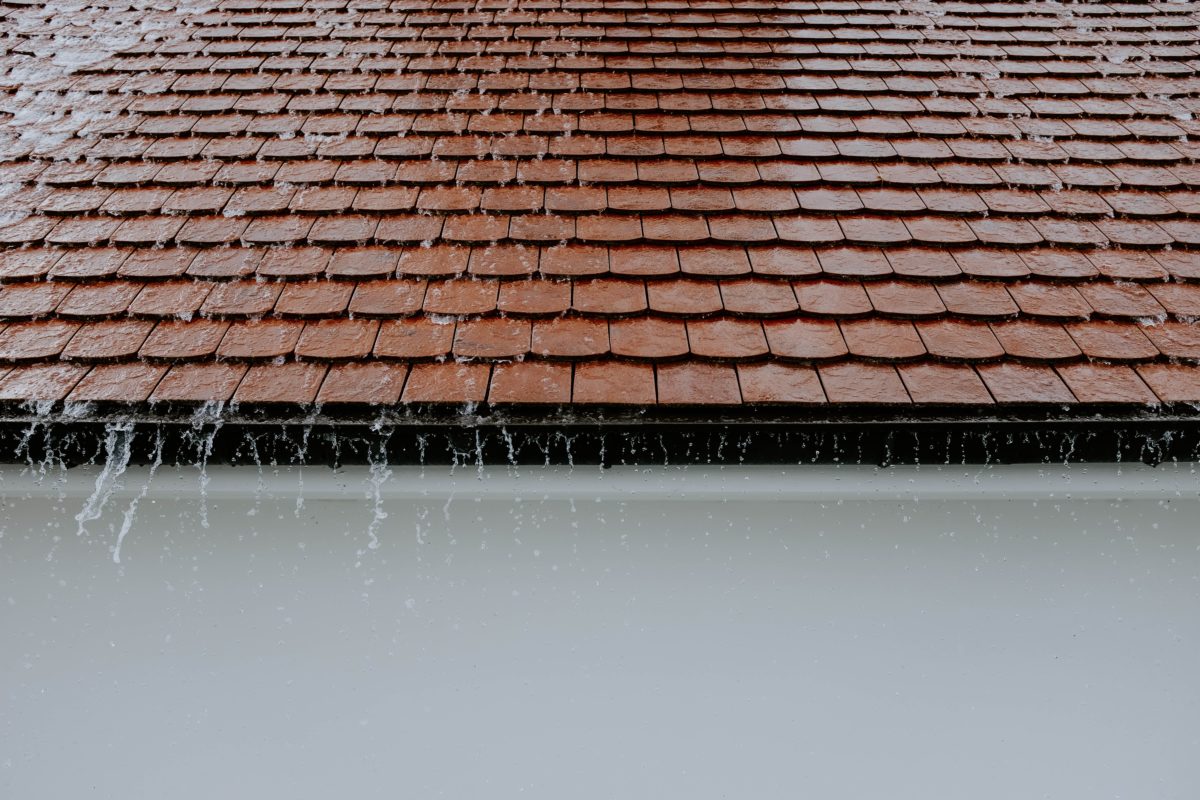
The weather in California has been exceptionally rainy lately. The state has just experienced our ninth atmospheric river in a three-week succession of major winter storms, leading to flooding, landslides, and hazardous conditions. For residents of the state, it’s essential to be aware of the potential effects of the rain on our homes – particularly our chimneys.

In order to ensure complete safety from potential leaks, erosion, or falling debris, there are certain areas of concern that should be checked and monitored.

How Safe is Your Chimney With All This Rain?

Mortar, the material that binds the bricks of a chimney together, is water soluble. When exposed to moisture from rain, snow, and ice, mortar can become soft or eroded. This can lead to structural instability and damage to a home.

Watch out for these eight areas of concern for chimney safety in the rain:

  1. Soft sheetrock around the chimney.  Touch the sheetrock walls on either side of the fireplace fascia and determine if there are indications of moisture.  If there is a leak near the ceiling, it is probably a flashing issue.
  2. Moisture inside the firebox.  Touch the inside of the firebox and see if the brickwork is moist. If it is, the culprit could be gutter, downspout or flashing issues.
  3. Roof leaks & flashing leaks. Be sure to thoroughly inspect all roofing material for any signs of damage, as leaking or missing roofing material can compromise the stability of the chimney structure.
  4. Heavy rain and hail pounding the chimney. Prolonged exposure to heavy showers can cause erosion over time, weakening the chimney walls.
  5. No flue cap or a loose flue cap. Heavy winds can blow off or loosen a flue cap.
  6. Efflorescence. This is a white powdery residue that can be seen when a chimney dries out after it has become wet.
  7. Falling trees or branches rubbing against the chimney structure. Wet weather will make the tree branches heavier, and with high winds, it can beat a chimney down or cause serious damage. Make sure to pay special attention to any trees in close proximity to bedrooms.
  8. Wind stress on the chimney. High winds can add extra stress to the chimney, particularly if there is an old TV antenna still attached.

By taking the time to inspect these areas of concern, California residents can rest easy knowing that their chimneys are safe and secure during this rainy season. In order to ensure complete safety from potential risks, homeowners should routinely inspect their chimneys for these areas of concern. A certified professional can also provide an inspection and determine if any repairs are necessary.

Preemptive Safety Checks

Taking safety measures now can prevent damage down the line. The Chimney Safety Institute of America outlines what we can do now to protect our homes and chimneys during wet weather.

Check the Gutters & Downspouts

Poorly sloped gutters and gutters that are broken or overflowing can cause water to collect and seep near the chimney. In addition, improperly placed downspouts might act like a funnel for unwanted moisture if not directed away from the structure’s base. All of these conditions have the potential to lead to mysterious pools of water around the chimney. Ensure that all gutter and downspout systems are in good working order. They should move water away from the chimney structure, not directly onto it.

Inspect The Roof

A properly installed and well-maintained roof is the first line of defense against water seepage. Inspect the flashing around the chimney, along with any sealants used in the installation. Also look for signs of cracking or wear that might indicate a need for repair.

Check the Base of the Chimney

The base of the chimney should be sealed and able to withstand moisture. Have a professional inspect any concrete or masonry blocks that have become cracked or weathered in order to repair them before they become damaged by water.

Post-Rain Safety Tips

  1. Have a professional inspect the chimney after a heavy storm. This is especially important if any of the warning signs mentioned above have appeared.
  2. Inspect the interior walls for water damage, corrosion, and staining.
  3. Schedule an annual sweeping to ensure that moisture isn’t collecting inside the chimney liner or flue.
  4. Check for any signs of mold or mildew.
  5. Have a professional inspect the chimney if it emits any strange odors.

By doing these simple maintenance checks, homeowners can confidently protect their homes and chimneys from potential risks associated with wet weather.

Contact The Irish Sweep for any masonry repair, fireplace insert installation, chimney cleaning, and/or dryer vent cleaning.  We offer these services to Bay Area customers in order to ensure their health and safety.

What Is the Best Wood to Burn in a Fireplace?

Ever wondered why some fires burn hotter and longer than others? A crackling fire is one of the simplest pleasures of winter, but not all firewood burns the same. Choosing the best wood to burn in your fireplace can make all the difference in heat output, efficiency, and safety. The right firewood burns cleaner, produces more heat, and reduces creosote buildup in your chimney.

This guide will walk you through everything you need to know about selecting, seasoning, and burning the best firewood for a cozy and safe home.

Why Choosing the Right Firewood Matters

Selecting the right firewood isn’t just about warmth—it also affects indoor air quality, maintenance, and safety. Poor firewood choices can lead to excess smoke, inefficient burning, and increased creosote buildup, which can become a fire hazard.

Key Benefits of Using the Right Firewood:

  • Higher heat output – Quality wood burns hotter, keeping your home warmer.
  • Less creosote buildup – Dry, seasoned wood minimizes the risk of chimney fires.
  • Cleaner burning – The right wood produces less smoke and fewer emissions.
  • Longer burn times – Hardwood logs burn longer, reducing the need for frequent refueling.

Hardwood vs. Softwood: What’s the Difference?

Firewood falls into two main categories: hardwood and softwood. Understanding their differences will help you make the best choice for your fireplace.

Hardwood:

  • Comes from deciduous trees (oak, maple, ash, hickory, birch).
  • Denser wood that burns longer and hotter.
  • Produces less smoke and creosote.
  • Ideal for indoor fireplaces and wood stoves.

Softwood:

  • Comes from coniferous trees (pine, fir, spruce, cedar).
  • Burns faster and produces more smoke.
  • Higher resin content, leading to more creosote buildup.
  • Best used for kindling or outdoor fires.

Best Choice for Fireplaces: Hardwoods are the superior option due to their efficiency, long burn time, and minimal creosote production.

Best Wood to Burn in a Fireplace

Not all hardwoods are equal when it comes to burning. Here are the top firewood choices based on heat output and burn quality:

Wood Type Burn Time Heat Output Pros Cons
Oak Long-lasting High Burns slowly with steady heat, minimal smoke Requires up to two years of seasoning
Hickory Long-lasting Very High One of the hottest-burning woods, great for cold winters Hard to split and needs extended drying time
Maple Moderate to long Medium to High Readily available and burns cleanly Harder to split than some other hardwoods
Ash Long High Dries faster than oak, burns cleanly Slightly less heat than hickory or oak
Cherry Moderate Medium Pleasant aroma, minimal smoke Not as hot-burning as oak or hickory

How to Properly Season and Store Firewood

Firewood needs to be seasoned (dried) to reduce moisture content before burning. Burning wet or “green” wood produces excess smoke, low heat, and increased creosote buildup.

Signs of Properly Seasoned Firewood:

  • Cracks on the ends.
  • Lighter weight compared to green wood.
  • Produces a hollow sound when knocked together.
  • Moisture content below 20% (use a moisture meter to check).

Proper Storage Tips:

  • Stack off the ground – Use pallets or a firewood rack.
  • Allow airflow – Stack wood loosely in a crisscross pattern.
  • Cover the top – Protect from rain and snow but leave sides open for ventilation.
  • Store for at least 6-12 months – Oak and hickory may require longer.

Tips for a Safe and Efficient Fireplace Fire

  • Start with dry kindling – Use small softwood pieces or fire starters.
  • Build a top-down fire – Place large logs at the bottom, medium logs above, and kindling at the top.
  • Ensure proper airflow – Keep the damper open to maintain a strong flame.
  • Clean your chimney regularly – Hire professionals like The Irish Sweep to remove creosote buildup.
  • Never burn painted or treated wood – These release harmful toxins.

Related Reading: How Often Should a Chimney Be Cleaned?


FAQ: Common Questions About Firewood and Fireplaces

Q: What is the longest-burning firewood?

A: Oak, hickory, and ash are among the longest-burning woods.

Q: What is the best wood to burn in a fireplace?

A: The best firewood includes oak, hickory, and ash, which burn efficiently and produce long-lasting heat. Hickory is great for high heat, but oak may be more cost-effective per cord.

Q: What is the hottest burning wood?

A: Hickory and oak are among the hottest-burning woods, producing high heat output and long-lasting embers.

Q: Is it safe to burn softwood in a fireplace?

A: Softwoods can be used for kindling but should not be the primary fuel due to higher creosote production.

Q: Can I use a log burner stove fan to improve efficiency?

A: Yes, a log burner stove fan helps circulate warm air more effectively throughout the room.

Q: How can I tell if firewood is properly seasoned?

A: Check for cracks, a hollow sound when knocked, and use a moisture meter to ensure levels are below 20%.

Q: What is the best wood-burning stove for small homes?

A: Compact wood stoves with high-efficiency ratings are best for small spaces, such as the top-rated wood stoves available today.

Q: Why does my firewood smoke so much?

A: Likely due to high moisture content. Ensure the wood is properly seasoned.

Q: Can I burn wood that has been painted or treated?

A: No! Burning treated wood releases harmful chemicals and toxins.

Choosing the Best Firewood for Your Home

The best wood to burn in your fireplace is dry, well-seasoned hardwood like oak, hickory, or ash. These woods offer high heat output, longer burn times, and minimal smoke. Proper storage and maintenance will ensure your fireplace burns efficiently and safely all winter long.

For expert fireplace and chimney care, give The Irish Sweep a call at 510.521.4088 or fill out our contact form to schedule a cleaning or inspection today!

The 13 Things Professional Chimney Sweeps Want You To Know

The 13 Things Professional Chimney Sweeps Want You To Know

Think you can clean your own chimney? Think again! Professional chimney sweeps have seen it all, and we’ve collected that wisdom and put it in a neat list format for our latest article. Here are 13 things professional chimney sweeps wish you knew – and why you should always hire us for the job!

  1. Creosote buildup is dangerous!!! 

Creosote is a substance that forms when anything is burned, especially wood and manufactured logs. Creosote will build up in the chimney without you realizing it. If the creosote isn’t removed, it will become a fire hazard. That’s why it’s so important to have the chimney cleaned regularly by a professional.

  1. We have specialized tools

Professional chimney sweeps have brushes and vacuums designed specifically for cleaning out chimneys. Specialized equipment helps ensure that all the soot and ash are removed – something that’s crucial to preventing fires.

  1. Chimney sweeping is a vital part of home maintenance

Many people think of chimney sweeping as something that’s only done occasionally, but the truth is that it’s an essential part of regular home maintenance. Sweeping the chimney helps prevent a build-up of creosote, which can cause fires. The chimney should be inspected and cleaned at least once a year – more often if it’s used frequently.

  1. It’s more complicated than Mary Poppins makes it look!

Chimney sweeping may look easy in movies like Mary Poppins, but the truth is that it’s a tough job. It requires a lot of physical strength and stamina, as well as experience, knowledge, and specialized tools. That’s why it’s always best to leave it to the trained professionals.

  1. We know how to spot problems

One of the advantages of hiring a professional chimney sweep is that we know how to spot problems. We can identify issues such as cracks in the flue or blockages that could cause fires. This means we can fix the problem before it becomes a dangerous hazard.

  1. A dirty chimney can cause respiratory problems for our families

Soot and ash aren’t good for our lungs, and a dirty chimney can cause respiratory problems for our families. This is especially true if anyone in the family suffers from asthma or allergies. A professional chimney sweep will ensure that the chimney is clean and safe!

  1. A properly functioning chimney will help keep our home warm and save money on heating costs

If the chimney is blocked or has cracks, it won’t draw air correctly. There will always be air turnover, as this is how fire is fueled. The home can be harder to heat if the fireplace and chimney are functioning correctly, which then costs more money in heating bills. A professional chimney sweep can help ensure that the chimney is working properly, saving money in the long run. 

  1. We can save time and reduce hassle

Cleaning a chimney is a time-consuming job that most people simply don’t have the time for. Hiring a professional chimney sweep will save hassle and ensure that the job is done right.

  1. Wood-burning stoves need to be inspected and cleaned regularly, too!

It’s essential to have a wood-burning stove or insert inspected and cleaned regularly. This is because the chimney, chimney connector, and liner can become blocked with soot, which can be a fire hazard. A professional chimney sweep can clean the wood-burning stove or insert and make sure it’s safe to use.

  1. Chimney sweeps can help with other types of fireplace maintenance

Chimney sweeps can also help with different kinds of fireplace maintenance, such as relining the chimney or repairing damage. Have peace of mind that the fireplace is safe to use all year round!

  1. Call a chimney sweep before there’s a problem

Be proactive – the damage has already happened by the time a problem is noticed. It’s never too late to call a professional; it may just cost more. By then, the damage may have already been done – and it could be dangerous. That’s why it’s crucial to have the chimney cleaned regularly, even if there’s no apparent problem.

12. We carry insurance – just in case

Double-check that the professional chimney sweep carries insurance just in case something goes wrong. It’s good to be protected in the event of an accident!

13. We’re here to help – please call us

Feel free to call us any time. We’ll be happy to answer any questions and help in making the best decision for a home.

9 Frequently asked questions: 

  1. Is the fireplace used regularly?
  2. Is there soot or creosote buildup on the inside of the chimney?
  3. Are there cracks or blockages in the flue?
  4. What’s a flue?
  5. Are there respiratory problems or allergies issues in the household?
  6. Is there a wood-burning stove?
  7. Is other fireplace maintenance needed?
  8. Are there water leaks or moisture in or around the fireplace fascia? 
  9. Does the house smell like a chimney after using it?

If you answered yes to any of these questions, it’s time to call a professional chimney sweep. We can help keep the home safe and save money in the long run. Contact us today to schedule a consultation.

At The Irish Sweep, we always adhere to the highest safety standards. We are licensed and insured Bay Area chimney cleaners professionals who have been serving the area since 1979. If you need a chimney sweep, dryer vent cleaning, or other home services, call us today! Schedule our chimney sweep or inspection services today to enjoy a safe fireplace and chimney all year long.

© Copyrights 2026 The Irish Sweep All Rights Reserved.