
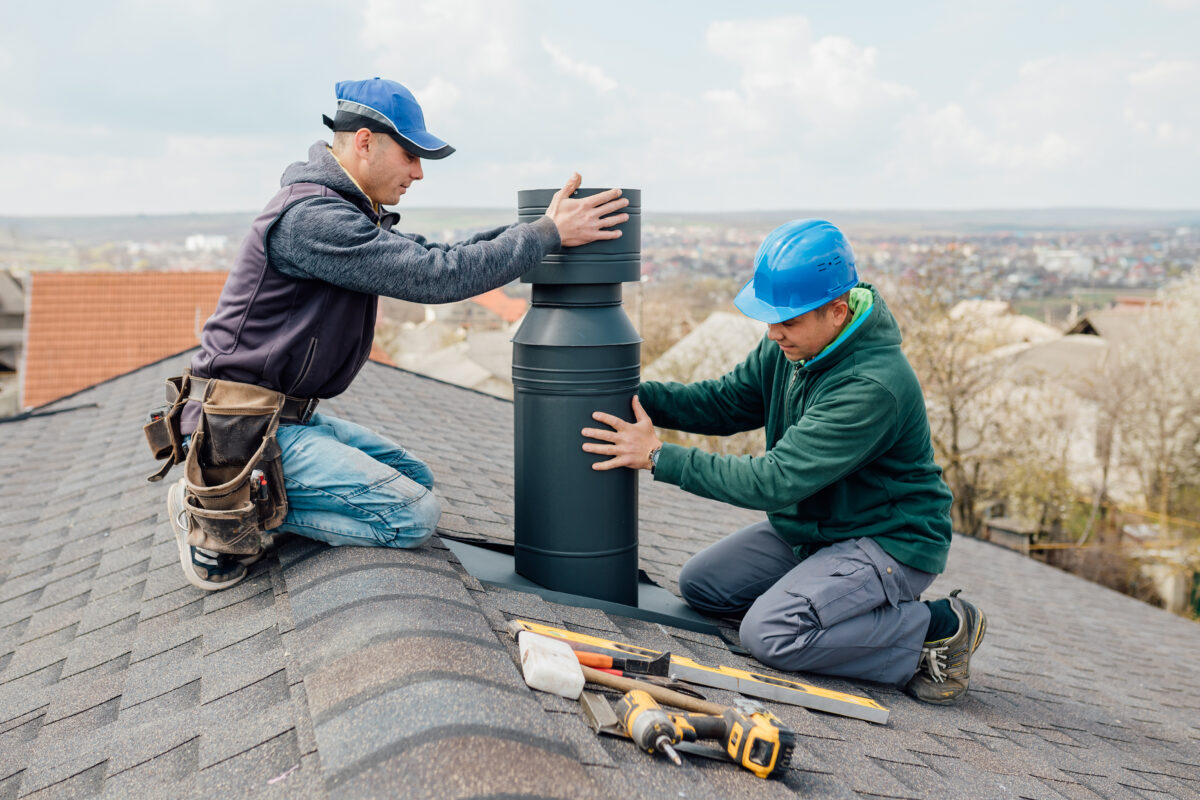
Homeowners trust professionals to keep their fireplaces safe. Most of the time that trust is well placed, but every so often we walk into a situation that makes our stomach drop. A recent job in the Berkeley hills reminded us how important proper chimney knowledge really is. The case involved years of water exposure, structural damage, and work that ignored basic code requirements. Situations like this show why understanding dangerous chimney repair Berkeley CA matters for anyone who owns a fireplace.
Dangerous Chimney Repair: A Real Example
This particular home sat on a hillside, which means rainwater and ground runoff naturally traveled downhill toward the foundation. Over time, moisture found its way into the base of the chimney. Brick and mortar can absorb water, and once saturation sets in the structure weakens little by little.
Years of exposure finally took their toll, and seismic activity added another layer of stress. Earthquakes do not need to be large to affect masonry. Even small shifts can widen cracks or destabilize areas already weakened by water, so eventually the base of the chimney fractured.
When the damage was discovered, a large portion of the chimney was removed. The homeowner believed the repair had been handled correctly by another contractor. Unfortunately, what followed created a much more dangerous situation.
A Flue Replacement That Violated Code
The original flue had been removed and replaced with a galvanized vent. At first glance it looked like a solution. Metal pipe was in place, the fireplace appeared functional, and the repair seemed complete.
The problem was the material and size. Chimney codes exist for a reason, and they are not suggestions. A wood burning fireplace requires a properly sized flue to handle heat, smoke, and combustion gases.
The smallest acceptable flue diameter for venting a wood burning fireplace is eight inches. The installed vent in this case measured only six inches. Even more concerning, it was made from galvanized metal. That material is not designed to function as a chimney flue for wood burning systems. This is where dangerous chimney repair Berkeley CA becomes more than a technical issue. It becomes a safety issue.
Why Flue Size Matters
A chimney works like a breathing system for your fireplace. Heat rises, smoke travels upward, and the draft pulls air through the firebox. When the flue is too small, airflow becomes restricted.
That restriction can cause smoke to back up into the home. It can lead to incomplete combustion, which increases creosote buildup inside the flue walls. Creosote is highly flammable and one of the main causes of chimney fires.
The six-inch galvanized pipe installed in this case could not safely vent the fireplace. It compromised both performance and safety. Anyone lighting a fire in that system would have been exposed to unnecessary risk.
Why Galvanized Vents Are Not Chimney Flues
Galvanized vents are sometimes used for certain heating appliances, but they are not appropriate replacements for a masonry chimney flue serving a wood burning fireplace.
Wood fires produce intense heat and corrosive byproducts. A chimney liner must withstand those conditions without degrading. Galvanized metal can deteriorate under those temperatures. Over time the protective coating breaks down, leaving the metal vulnerable.
When Sal saw the installation, the issue was obvious. Years of experience in the field make these problems stand out immediately. She informed the homeowner right away.
Do not use the fireplace. This is a dangerous situation. Moments like that are exactly why understanding dangerous chimney repair Berkeley CA is so important. A fireplace should never be used until the venting system meets proper safety standards.
What A Proper Repair Should Look Like
Once the danger was identified, the next step was evaluating safe solutions. Repairing a compromised chimney depends on the condition of the remaining structure and the type of fireplace involved.
In many cases, a proper solution involves reconstructing the chimney or installing a stainless steel chimney system sized correctly for the fireplace opening. Stainless steel liners are engineered to withstand high temperatures and provide reliable draft.
Every component must work together. The firebox, flue, and chimney structure operate as a single system. When one part is incorrectly installed, the entire system becomes unsafe.
A Practical Solution For This Home
In this particular case, reconstruction of the full chimney system would have been extensive. After reviewing the condition of the structure and discussing options with the homeowner, Sal recommended another path.
A gas burning fireplace insert offered a safer and more practical solution. Gas inserts eliminate the need for a traditional damper and produce controlled heat with far fewer venting complications. They also meet environmental standards that many homeowners appreciate.
The installation process involved repairing the chimney structure and creating proper separation between the firebox and the surrounding fascia. The incorrect vent was removed entirely. Once the new system was installed, the fireplace could operate safely again. For this home, the insert provided both safety and cost efficiency.
Why Experience Matters In Chimney Work
Chimney systems may look simple from the outside, but they involve a surprising amount of technical knowledge. Codes dictate proper flue sizing, liner materials, and installation methods. Water damage, seismic movement, and aging masonry can all affect structural integrity.
Professionals in the trade understand how these factors interact. That understanding allows them to spot issues that might be missed by someone without proper training.
Cases like this remind us that dangerous chimney repair Berkeley CA often begins with work performed by people who claim expertise but lack the necessary knowledge.
Warning Signs Of Unsafe Chimney Work
Homeowners are not expected to know every building code, but a few warning signs can help identify poor repairs.
- Vent pipes that look too small for the fireplace opening
- Metal vent materials used in place of a chimney liner
- Loose masonry or visible gaps near the firebox
- Smoke entering the room during fires
If something about the fireplace seems off, it’s worth having a qualified professional take a look. Small concerns sometimes reveal larger safety issues.
Protecting Your Home And Family
A fireplace should bring warmth and comfort, not worry. When a chimney is installed correctly and maintained properly, it provides safe and reliable performance for many years.
The trouble begins when shortcuts replace proper construction. An undersized vent or incorrect liner might seem harmless at first. Over time those decisions create hazards that affect everyone inside the home.
Learning to recognize dangerous chimney repair Berkeley CA can help homeowners avoid those risks. Asking questions, verifying credentials, and seeking experienced professionals makes a real difference.
Stories like this are not shared to criticize others in the trade. They are shared because safety matters. When problems appear, the goal is to fix them correctly and ensure the household is protected.
Protect Your Fireplace The Right Way
If something about your chimney repair doesn’t feel right, trust your instincts. Our team at The Irish Sweep brings the experience needed to identify unsafe work and restore your fireplace to proper safety standards. Contact us today and let us help make sure your chimney system is truly safe for your home.