
The Irish Sweep is still accepting calls to answer questions and schedule any service needs. However, no on-site visits are currently being conducted pursuant to the government's stay in place order. Please feel free to contact us at 510.521.4088 to get answers to your questions or schedule a future appointment.

Seismic Safety: Why Chimneys Are the Weakest Link in Earthquakes & What You Can Do About It

After the recent earthquake with its epicenter right in Dublin, a lot of us Bay Area folks are asking the same thing: Is my home really ready for the next one?

Chimneys are one of the most vulnerable parts of any home during an earthquake. Especially if they were built before modern building codes, they likely weren’t designed with seismic safety in mind. And chances are, yours hasn’t had more than a passing glance in years.

But here’s the thing: a little preventative maintenance now could help you avoid major repairs (and major expenses) later. With inflation making everything more expensive, catching small issues early is smart and cost-effective.

Why Chimneys Are So Vulnerable During Earthquakes

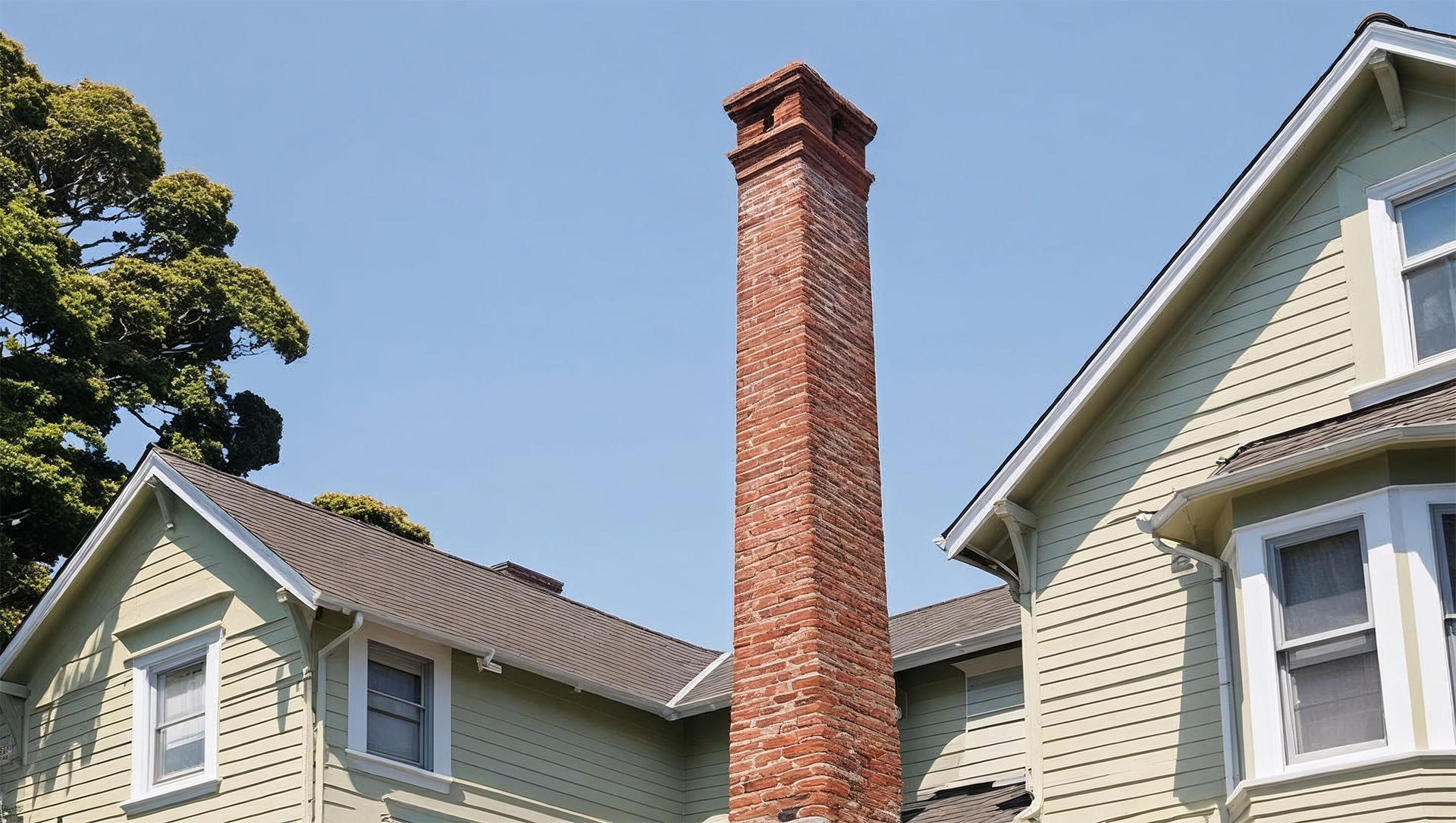
Chimneys might look solid, but when an earthquake hits, they’re one of the most fragile parts of a home. Why? It comes down to how they’re built. Most chimneys are tall, narrow, and made from heavy masonry. That combination creates a rigid, top-heavy structure with little ability to flex or move with seismic waves.

It’s also important to note that in some Bay Area cities, it’s currently impossible to pull a permit for chimney reconstruction due to local building restrictions or updated codes. This makes routine maintenance, repairs, and proactive safety measures even more critical.

Unreinforced Masonry = Fragile Structure

Unlike modern construction that relies on steel reinforcement or flexible materials to absorb shock, many chimneys—especially older ones—are made with unreinforced brick or stone. Without internal supports like rebar, these materials can’t handle the lateral forces of an earthquake. Once the shaking starts, cracks form quickly. Tall, slender chimneys are most vulnerable.

Shaking Targets the Weakest Points

During an earthquake, the violent motion doesn’t hit every part of your house evenly. It targets weak spots—places where weight is concentrated or materials that can’t flex. Chimneys, especially those that rise above the roofline without lateral bracing, take the brunt of that force. They can:

  • Crack along mortar joints
  • Separate from the wall
  • Collapse onto the roof or through ceilings
  • Create fire hazards if flue linings are damaged

Sometimes the damage is dramatic and obvious. Other times, it’s hidden inside the structure—cracks behind the plaster, loosened bricks, compromised flue tiles. You may not notice the issue until months later, when rain starts leaking in or pests find their way through gaps you didn’t know existed.

Even “Small” Damage Can Lead to Big Problems

A leaning chimney or missing mortar might not seem urgent, especially if everything still looks more or less intact. But any structural compromise can escalate fast. And if you plan to sell your home? A compromised chimney will come up during inspection—and likely cost more to fix under pressure.

Older Homes Pose a Risk 

Many older chimneys in the Bay Area were constructed long before modern seismic codes existed. Consider these facts:

  • San Francisco’s Housing Stock: According to U.S. Census Bureau data, approximately 44% of homes in San Francisco were built before 1940 before the introduction of reliable seismic codes. ​
  • Non-Ductile Concrete Buildings: Estimates suggest that San Francisco has up to 3,000 non-ductile concrete buildings constructed before 1980, which are vulnerable during earthquakes. ​
  • Soft-Story Buildings: Widespread across the Bay Area, soft-story homes have a weak first floor (often due to garages or open layouts), making them prone to collapse. Many of these also have masonry chimneys perched on top, adding even more instability. Following the 1989 Loma Prieta earthquake, it was identified that hundreds of soft-story structures in the Bay Area required retrofitting.

If your home was built before the 1980s and still has its original chimney, there’s a strong chance it was never designed with seismic safety in mind.

And here’s the thing: damage isn’t always obvious right away. A chimney might look fine from the outside but have internal cracks or instability that make it unsafe. That’s why preventative seismic safety inspections are so important—especially if your chimney is older or hasn’t been checked in years.
 

What Chimney Repairs Really Cost (And Why It Pays to Act Early)

Chimney damage is both dangerous and expensive. Even small cracks or missing mortar joints can run you several thousand dollars in repair costs, especially if scaffolding or specialty materials are required. If the damage is severe enough to warrant a full teardown and rebuild after an earthquake, you could easily be looking at a five-figure bill—and that’s just for the chimney itself.

The costs don’t end there. A compromised chimney can cause damage elsewhere in the home: roof punctures, interior water leaks, even fire or carbon monoxide risks if the flue is no longer aligned properly. And in a competitive housing market like the Bay Area, chimney issues can torpedo a sale or delay a closing, forcing rushed repairs at premium prices.

Insurance might not always help as much as you’d hope, either. Some policies exclude earthquake-related damage unless you’ve purchased additional coverage. And even then, deductibles for seismic claims are often high—meaning you’re still covering a big chunk of the cost out of pocket.

That’s why preventative inspections and seismic safety retrofits are such a smart investment. They’re a proactive way to protect your home and your wallet—by catching problems early, making targeted reinforcements, and avoiding the massive financial hit that often comes with post-quake repairs. A little work now can save you a fortune later.

What You Can Do About the Seismic Safety of Your Chimney 

The good news? You’re not powerless here. There are several steps we can take—some simple, some more involved—to make sure our chimneys aren’t a weak spot in the next earthquake.

Start with a Professional Inspection

If it’s been a while since anyone took a close look at your chimney—or if you’re not sure when it was last inspected—it’s time. A professional chimney sweep who understands seismic risk (like our team at The Irish Sweep) can assess the current condition of your chimney, look for early signs of cracking or instability, and let you know whether retrofitting or repairs are needed. This is especially important if your home was built before the 1980s.

Retrofit If Needed—Before It’s Urgent

Seismic retrofitting might sound like a big deal, but it’s often more manageable than people think. Reinforcing your chimney with steel bracing, anchoring it more securely to the structure of your home, or even rebuilding it with different materials can significantly reduce the risk of collapse during an earthquake. And doing it before something goes wrong is always more affordable than paying for emergency work after the damage is done.

Keep Up With Regular Maintenance

Chimneys naturally wear down over time. Mortar erodes, bricks shift, moisture gets in. Keeping up with regular servicing—repointing joints, sealing gaps, repairing minor cracks, waterproofing—keeps your chimney stable and less likely to fail when shaking starts. Plus, regular care means smaller, more affordable fixes instead of major overhauls.

Don’t Wait for the Next Earthquake

Seismic safety isn’t just a concern after a quake—it’s something to think about before the next one hits. And in the Bay Area, it’s not a question of if, but when.

According to the U.S. Geological Survey, there’s a 72% chance that a magnitude 6.7 or greater earthquake will strike the Bay Area within the next 30 years. That’s not a distant possibility—it’s a high likelihood in our lifetimes. Fault lines like the Hayward, Calaveras, and San Andreas all run through or near heavily populated areas. The 1989 Loma Prieta earthquake was a reminder of just how disruptive and dangerous these events can be—and that wasn’t even considered the “big one.”

Recent quakes, like the one centered in Dublin, only reinforce how active and unpredictable this region is. And smaller quakes can still do significant damage—especially to older, unreinforced masonry structures like chimneys.

The bottom line: if your chimney hasn’t been inspected or retrofitted, now’s the time. Earthquakes don’t follow a schedule. Preparing ahead of time is the only way to make sure you’re not left scrambling after the fact.

FAQ: Does My Chimney Need a Seismic Inspection?

Q: My chimney looks fine—do I still need to worry about seismic safety?
A: It’s good to get an inspection even if your chimney looks okay. Many issues—like internal cracks or a compromised flue—aren’t visible without a professional inspection.

Q: What are signs my chimney might be vulnerable in an earthquake?
A: Watch for:

  • Cracks in bricks or mortar
  • Leaning or gaps where the chimney meets the wall
  • Smoke backing up into your home
  • Rust stains or missing mortar
  • Built before the 1980s without retrofitting

Q: Why are chimneys so vulnerable during earthquakes?
A: They’re tall, rigid, and made of heavy masonry—often without internal support—making them one of the first parts of a home to crack or collapse under seismic pressure.

Q: What’s the risk of ignoring small cracks?
A: Minor damage can lead to major problems over time—like water leaks, carbon monoxide exposure, or total collapse in the next quake.

Q: What’s involved in a seismic retrofit?
A: Retrofitting may include anchoring the chimney to your home, adding bracing, reinforcing the flue, or rebuilding unstable sections with modern materials.

Q: Is a retrofit expensive?
A: It’s far more affordable than emergency repairs after a quake—and much safer. Early action protects both your home and your wallet.

Q: Does homeowner’s insurance cover chimney damage from earthquakes?
A: Not always. Many policies require separate earthquake coverage, and deductibles can be high. Prevention is key.

Q: How often should chimneys be inspected?
A: We recommend at least every 2-3 years.

Q: Who should I call for an inspection?
A: Choose a qualified chimney professional with seismic safety expertise—like The Irish Sweep.

Ready to Take the Next Step? The Irish Sweep Can Help

You don’t have to wait for the next earthquake to take action. At The Irish Sweep, we’ve been serving Bay Area homeowners for over 40 years—and we understand the unique seismic safety challenges this region presents. Our team is trained to spot hidden chimney vulnerabilities and recommend the right solutions to keep your home safer, longer.

Whether your chimney needs a full seismic retrofit, routine maintenance, or just a professional once-over for peace of mind, we’re here to help. We’ll walk you through what we see, explain your options clearly, and never push work you don’t need. Our goal is to help you stay ahead of the damage—not pay for it after the fact.

Protect your home. Protect your investment. Schedule a seismic chimney inspection with The Irish Sweep today. Let’s get ahead of the next shake—before it costs you more than it should.

Why You Need a Chimney Inspection & Sweep Before Installing Any Gas Appliance in Your Wood-Burning Fireplace

If you’re considering upgrading your wood-burning fireplace with a gas fireplace insert, you’re not alone. Many homeowners love the convenience, efficiency, and cleaner burn that gas appliances provide. However, before you proceed with the installation, it’s crucial to schedule a professional chimney inspection and sweep. Ignoring this step could lead to serious safety hazards, costly repairs, and even risks to your home and health.

In this guide, we’ll explain why a chimney inspection and sweep are essential before installing any gas appliance and how they ensure a safe and efficient fireplace upgrade.

The Hidden Dangers in Your Chimney

A gas fireplace insert may not produce the same creosote buildup as a wood-burning fire, but that doesn’t mean your chimney is automatically safe. Over time, chimneys can develop blockages, structural damage, and hidden defects that could become dangerous when introducing a gas appliance. Here’s why an inspection and sweep are non-negotiable:

  1. Removing Creosote and Debris

If you’ve been using your fireplace to burn wood, chances are there’s a layer of creosote buildup inside the chimney. This highly flammable residue must be removed before installing a gas fireplace insert. Even though gas doesn’t produce creosote, old deposits can still pose a fire risk.

Additionally, bird nests, leaves, and other debris could be blocking the flue, preventing proper venting. A sweep ensures that the chimney is clear and ready for safe operation.

  1. Checking for Structural Damage

Over time, chimneys develop cracks, deteriorating mortar, or damaged flue liners. These structural issues can lead to carbon monoxide leaks, poor draft, and even chimney collapse in extreme cases. A thorough inspection will identify and address any weaknesses before installing a gas fireplace insert.

  1. Ensuring Proper Venting

Gas appliances produce carbon monoxide (CO), an odorless, deadly gas. Unlike wood-burning fireplaces that rely on natural draft, gas fireplace inserts require specific venting conditions to operate safely. If the chimney is blocked, damaged, or improperly lined, carbon monoxide could seep into your home.

A Level 2 chimney inspection will confirm that your chimney can handle the venting needs of a gas fireplace insert, ensuring safe combustion and exhaust.

gas fireplace insert

Gas Fireplace Inserts Require a Different Chimney Setup

When switching from wood to gas, your existing chimney may not be properly designed for a gas fireplace insert. Gas appliances often vent through two aluminum liners to improve efficiency and prevent condensation buildup, which can deteriorate masonry chimneys over time.

A certified chimney sweep will inspect your system to ensure the chimney is in good condition for the installation. The, venting components must be installed according to the gas insert manufacturer’s specifications.

Preventing Carbon Monoxide Poisoning

A malfunctioning or improperly vented gas fireplace insert can introduce carbon monoxide into your home. This is why regular chimney inspections are essential—not just before installation but as part of ongoing maintenance.

During an inspection, professionals will check for:

  • Blockages that could trap exhaust gases
  • Proper draft and ventilation
  • Cracks or leaks that could allow CO to enter your living space

For added safety, always install carbon monoxide detectors near your fireplace and sleeping areas.

Meeting Local Codes and Manufacturer Requirements

Most cities and counties require a chimney inspection before installing a gas fireplace insert. Additionally, many manufacturers void warranties if the appliance is installed in a chimney that hasn’t been properly inspected and swept.

By scheduling a professional chimney service, you ensure that your installation meets safety codes and manufacturer guidelines, protecting your investment and your home.

How to Choose a Qualified Chimney Professional for Your Inspection

Not all chimney sweeps and inspectors are equally qualified to prepare your fireplace for a gas fireplace insert. Choosing the right professional ensures a thorough, reliable inspection that meets safety standards.

Here’s what to look for:

  • Certifications and Training – Look for a professional certified by the National Chimney Sweep Guild (NCSG). These credentials indicate proper training and adherence to safety protocols.
  • Experience with Gas Fireplace Conversions – Not all chimney services specialize in gas fireplace inserts. Make sure your chosen professional has experience evaluating and modifying chimneys for gas appliances.
  • Inspection Capability – A chimney inspection is required when making changes to a fireplace system, such as installing a gas fireplace insert. Ensure your inspector offers this advanced inspection, which includes video scanning of the flue.
  • Reputation and Reviews – Check customer reviews and testimonials to confirm the company’s reliability, professionalism, and quality of service.
  • Clear, Detailed Reports – A trustworthy chimney inspector will provide a written report with photos, outlining any necessary repairs or modifications before installation.

By selecting a qualified chimney professional, you can confidently move forward with your gas fireplace insert installation, knowing your home is safe and compliant with all regulations.

The Cost of Skipping a Chimney Inspection

Failing to inspect and sweep your chimney before installing a gas fireplace insert can lead to:

  • Increased risk of house fires
  • Dangerous carbon monoxide leaks
  • Expensive structural repairs later on
  • Inefficient fireplace operation, leading to higher energy bills

A small investment in a professional chimney inspection and sweep can save you thousands of dollars in future repairs and, more importantly, protect your family’s safety.

Ready to Install a Gas Fireplace Insert? Schedule an Inspection Today!

Before you install a gas fireplace insert, make sure your chimney is safe, clean, and ready for the upgrade. A professional chimney inspection and sweep will ensure proper venting, prevent hazards, and give you peace of mind.

At The Irish Sweep, we specialize in thorough chimney inspections and cleanings to prepare your fireplace for a seamless gas insert installation. Contact us today to schedule your chimney service and make your home safer and more efficient!

Safety PSA for Storms in the Bay Area: Roads, Chimneys, and More

Hello Bay Area residents! As your local chimney and dryer vent experts in the Bay Area, The Irish Sweep is here with an important safety PSA for our neighbors on storm safety.

As you likely noticed, we got hit hard with atmospheric river storms last year. The heavy rain, thunderstorms, hurricane-force wind gusts, and flooding can all be attributed to powerful bands of moisture transporting vast amounts of water vapor from the Pacific Ocean toward our coast.

While these storms deliver much-needed rainfall, unfortunately, they’ve also left a trail of damage across our beloved Bay Area and the rest of California. In the last year, we’ve seen:

  • Three deaths in fallen tree incidents associated with the severe weather
  • Power outages for tens of thousands of PG&E customers
  • Large surf over 30 feet
  • Widespread damage and flooding, including river flooding
  • Mudslides in Los Angeles
  • Gusty thunderstorm outflow winds, including wind gusts over 100 mph
  • Waterspouts
  • Several reported shallow landslides

While we can’t control the weather, we can control our preparedness. That’s why we’re here to share some crucial safety tips to ensure your home and family stay safe during this storm. Prioritizing prevention and peace of mind is more important than ever when it comes to unexpected weather. Let’s weather this storm together, safely and soundly!

Road Safety: Navigate the Downpour with Caution

When it comes to navigating the roads during harsh weather, remember this powerful truth: your actions don’t just impact you, they impact everyone around you. Every responsible decision you make on the road ripples outwards, creating a safer environment for fellow drivers, pedestrians, cyclists, and anyone else sharing the asphalt arteries.

Before the storm clouds gather, take steps to ensure safe travels:

  • Stay Informed: Check weather alerts and forecasts regularly. Know what’s coming and plan accordingly.
  • Vehicle Checkup: Make sure your car is up-to-date on maintenance – get an inspection if you’re due. Ensure tires have proper tread, wipers are in good condition, and headlights are bright.
  • Prepare for the Unexpected: Pack an emergency kit in your car with essentials like water, snacks, a blanket, jumper cables, and a first-aid kit.
  • Plan B Ready: Have alternative routes in mind in case of flooding or road closures. Remember, the shortest route may not be the safest during a storm.

During a storm, prioritize safety over speed:

  • Stay Off the Road: If possible, avoid driving unless absolutely necessary. Let nature take its course and stay safe at home.
  • Slow and Steady Wins the Race: If you must drive, reduce your speed significantly. Maintain ample following distances to give yourself plenty of stopping time.
  • Beware the Hydroplane: Be aware of slippery conditions and how to handle hydroplaning. Ease off the gas and steer smoothly if your car starts to lose traction.
  • Flooded Roads? Turn Around!: Never, ever attempt to drive through flooded roadways. Just six inches of water can sweep away a car, and hidden dangers like debris and damaged infrastructure lurk beneath the surface.
  • Debris and Downed Lines: Keep a watchful eye for fallen trees, branches, and downed power lines. Report them to authorities immediately and avoid approaching them.

After the storm subsides, be patient and proceed with caution:

  • Expect Delays: Allow extra time for your commute due to potential road closures or debris removal.
  • Report Hazards: If you encounter downed power lines or other hazards, report them to the appropriate authorities immediately.
  • Drive Cautiously: Even after the rain stops, roads may still be slippery. Continue to drive slowly and cautiously until conditions improve fully.

Chimney Safety: Don’t Let Your Chimney Become a Storm Casualty

A healthy chimney can weather any storm. Here’s how to ensure it stays in top condition:

Before A Storm Hits:

  • Professional Protection: Schedule a pre-storm inspection and cleaning by a certified chimney sweep. They’ll identify any potential issues and remove built-up creosote, reducing the risk of chimney fires.
  • Seal the Leaks: Secure loose chimney caps and flashing to prevent water infiltration and potential damage to your roof and interior.

While The Storm Rages

  • Damper Down: If you have a wood-burning fireplace, close the damper before the storm arrives. This prevents wind and rain from entering the flue, which can damage the chimney and create drafts in your home.
  • Keep an Eye Out: Stay alert for any signs of damage, such as cracked bricks, loose mortar, or sparks escaping from the chimney. If you see anything concerning, contact a professional immediately.

After the Storm Passes:

  • Thorough Inspection: Once the storm clears, conduct a thorough visual inspection of your chimney for any cracks, leaks, or other damage. Look for loose bricks, missing mortar joints, or stains on the chimney exterior or interior walls.
  • Don’t Delay Repairs: If you discover any damage, don’t hesitate to hire a qualified chimney repair specialist. Addressing issues promptly prevents further damage, ensures the safety of your home, and protects your loved ones.

Remember, a well-maintained chimney is a safe chimney. By following these simple steps, you can ensure your chimney stands strong against the elements, keeping your home warm and protected throughout the storm and beyond.

Beyond the Basics: General Safety Tips 

Storm preparedness extends beyond roads and chimneys. Here are some additional tips to fortify your home and family:

  1. Build Your Home’s Emergency Arsenal: Prepare an emergency kit for your home, stocked with non-perishable food, water, first-aid supplies, medications, flashlights, a battery-powered radio, and essential hygiene items. This kit should last your family for at least 72 hours in case of power outages or evacuations.
  1. Secure Outdoor Furniture: Secure outdoor furniture, decorations, and any loose items that could become projectiles in high winds. Remember, even a lightweight object can cause significant damage when hurled by a storm.
  1. Stay Informed, Stay Empowered: Don’t be caught off guard! Stay updated on weather alerts and warnings from official sources like the National Weather Service and local emergency management agencies. This allows you to make informed decisions and take necessary precautions.
  1. Know Your Escape Route: Familiarize yourself with your evacuation plan and have essential supplies like important documents, clothing, and cash readily accessible. This ensures a smooth and swift evacuation if needed.
  1. Floodwaters: Floodwaters are not your friend! Never drive through flooded areas, as even shallow water can hide dangers like debris, damaged roads, and strong currents. Follow flood safety guidelines and prioritize your safety over convenience.
  1. Power Lines: Downed power lines pose a serious danger. Never touch them, even if they appear inactive. Treat them as live wires and maintain a safe distance. Report downed lines immediately to the authorities.

By incorporating these additional tips into your storm preparation routine, you create a multi-layered shield of protection for your home and family.

As the storm clouds gather, remember: your actions hold the power to write a story of safety and resilience. Prepare, be informed, and prioritize safety above all else. Your responsible choices not only protect yourself but also contribute to a safer Bay Area community. By following the tips outlined here, you can equip yourself and your loved ones to navigate even the fiercest storm with confidence.

At The Irish Sweep, your local chimney and dryer vent experts, we’re committed to your well-being. We understand that a well-maintained chimney is a key part of storm preparedness, ensuring proper ventilation and preventing potential hazards. That’s why we offer comprehensive chimney inspections, cleanings, and repairs, ensuring your chimney stands strong as a guardian against the elements.

Schedule your pre-storm chimney inspection today and rest assured, knowing your home is protected.

Stay safe, Bay Area!

Is Your Chimney a Fire Hazard? 5 Reasons It Might Be Time to Remove It

Have you considered the condition of your chimney lately? Many homeowners don’t, but aging, unused, or damaged chimneys can quickly become fire hazards. While regular maintenance helps, sometimes the best option is to remove chimney structures entirely. Doing so doesn’t just eliminate a safety concern—it can also reclaim valuable space in your home and may even lower your insurance premiums. If you’re not using your chimney and it’s becoming more of a liability, removal could be a smart, practical solution.

Let’s explore why removing your chimney might be the safest and smartest option for your home.

1. It Could Be a Fire Hazard

Chimneys can pose significant fire risks, especially when they’re not regularly maintained. One of the most common issues is creosote buildup, a highly flammable substance that forms inside the chimney over time. Even a small spark can ignite this buildup, leading to a dangerous chimney fire. In addition, structural damage such as cracks, loose bricks, or a deteriorating flue can further increase the risk.

Regular chimney inspections are essential for identifying these hazards early. A thorough inspection allows homeowners to understand the current condition of their chimney and take action before problems worsen. In some cases, cleaning or repairs might be enough to resolve the issue, but if the chimney is severely damaged or too risky to maintain, it might be a better decision to remove the chimney entirely. By doing so, homeowners can eliminate a potential fire hazard and create a safer environment for their household.

2. You’re Worried About Insurance Requirements

Insurance companies take home safety seriously, and in some cases, chimneys can become a sticking point. For example, one homeowner that we worked with needed to have a brick wall built inside the firebox opening before her insurance company would agree to renew her policy. When a chimney is viewed as a fire hazard, insurers often require modifications or even complete removal to reduce risk.

If your chimney poses a safety concern, your insurance company may insist on repairs or removal to continue coverage. This is because an unsafe chimney increases the chances of fire-related damage, which insurers are keen to avoid. By choosing to remove the chimney, you not only address these safety issues but may also benefit from lower insurance premiums. Eliminating the fire risk can make your home a safer bet in the eyes of insurers, potentially saving you money on your policy.

3. You Want to Gain Usable Space

Chimneys, while functional, can often take up valuable space in a home—especially if they’re no longer in use. They tend to occupy central areas like kitchens, closets, or even bedrooms, creating awkward layouts or limiting design options. By choosing to remove the chimney, homeowners can reclaim this space and put it to more practical use.

For example, removing a chimney that runs through a kitchen might open up room for additional cabinetry or new appliances. In closets or bedrooms, it could free up space for storage, making the home more functional and organized.

In many cases, an unused chimney becomes wasted space, simply taking up room without serving any purpose. Removing it can enhance the flow and functionality of your home, offering more flexibility in how you use your living areas.

4. You Want to Enhance Your Home’s Energy Efficiency

Unused chimneys aren’t just wasted space—they can also affect your home’s energy efficiency. Over time, chimneys that are no longer in use can develop drafts, allowing cold air to enter in the winter and warm air to escape in the summer. This imbalance forces your heating and air conditioning systems to work harder, leading to higher utility bills.

By choosing to remove the chimney, you eliminate a common source of heat loss and drafts. Without a chimney pulling air in or out, your home’s temperature remains more consistent, reducing the strain on your HVAC system. As a result, you may notice a significant improvement in your home’s energy efficiency, which can lead to lower energy costs in the long run.

5. It’s Hurting Your Home’s Aesthetic and Structural Integrity

Older chimneys can often become eyesores, especially if they’ve sustained damage or discoloration over time. Cracked bricks, weathered exteriors, and stains from years of use can detract from the overall appearance of your home, both inside and out. In some cases, the chimney may no longer match the style of your home, making it look outdated and neglected.

Removing an outdated chimney can significantly improve the curb appeal of your property. Not only does it eliminate a visible blemish, but it can also enhance the structural integrity of your home. Chimneys that are no longer maintained can lead to water leaks or other damage, so removing them can help prevent future structural issues. In the end, taking out an old chimney can refresh the look of your home while also making it safer and more stable.

Chimney Demolition: What Homeowners Should Expect

If you’ve decided that removing your chimney is the right choice, it’s important to understand what the process involves. Chimney demolition typically starts with a thorough assessment by a professional to determine the best way to remove the structure without compromising the rest of your home. The removal process usually begins at the top, with the chimney being carefully dismantled brick by brick or section by section. Depending on how the chimney is integrated into the home, this can involve removing portions of the roof or interior walls.

Once the visible portion of the chimney is removed, attention is turned to the firebox and any remaining internal components, such as the chimney liner. The goal is to ensure that all parts of the chimney are safely removed, and any gaps or openings left behind are properly sealed.

Because chimneys are often load-bearing or structurally significant, it’s crucial to hire experienced professionals for the job. Attempting to remove a chimney yourself can lead to unintended damage to your home, or worse, serious safety risks. A professional chimney removal team will not only handle the demolition safely but also ensure that your home remains structurally sound throughout the process.

Take the Next Step Toward a Safer, More Efficient Home

Chimneys, while often an essential part of many homes, can present various concerns if they’re no longer in use or in poor condition. From fire hazards and insurance complications to the opportunity to reclaim valuable space and improve energy efficiency, there are many reasons why removing your chimney might be the best option.

If your chimney is outdated or you’re unsure about its condition, it’s essential to have it inspected by a professional.  As a proud member of the National Chimney Sweep Guild (NCSG), The Irish Sweep is committed to upholding the highest standards of professionalism and safety in every inspection and service. By working with us, you can trust that your home is in expert hands.

If you’re ready to take the next step, schedule a chimney inspection or consultation with The Irish Sweep today. Contact us here to learn more about how we can help you make your home safer and more efficient.

How Often Should a Chimney Be Cleaned?

As the chilly months approach, many homeowners eagerly anticipate cozy evenings by the fire. However, before we light those first fires of the season, it’s essential to ensure our chimneys are in top condition. Regular chimney maintenance is not just about keeping things clean—it’s a critical step in safeguarding our homes from potential hazards like chimney fires and poor indoor air quality.

But how often should a chimney be cleaned? The answer depends on several factors, including how often you use your fireplace and the type of wood you burn. A general rule of thumb is to clean a chimney after every 75 fires or once for every cord of wood burned. Neglecting this important task can lead to dangerous creosote buildup, which is not only a fire risk but can also reduce the efficiency of your fireplace.

To help you stay ahead of the winter rush, The Irish Sweep is offering a limited-time summer special on chimney cleaning services. But act fast—this special ends on September 30th, and after that, our winter pricing will take effect.

Read on to learn more about why regular chimney cleaning is essential and how you can save by scheduling your service today.

How Often Should a Chimney Be Cleaned? Understanding Frequency

As a general rule, we recommend having a chimney cleaned after every 75 fires or for every cord of wood burned. This frequency helps prevent the buildup of creosote, a highly flammable substance that can accumulate inside a chimney and pose a serious fire hazard.

However, this rule of thumb can vary depending on several factors. The type of wood burned in a fireplace plays a significant role—hardwoods like oak and maple tend to produce less creosote compared to softer woods like pine.

Additionally, the frequency of fireplace use also affects how often a chimney should be cleaned. If you regularly enjoy fires throughout the colder months, you may need more frequent cleanings to keep your chimney in optimal condition.

Monitoring Creosote Buildup for Safe Chimney Use

We’ve already defined creosote, a byproduct of burning wood, which accumulates inside your chimney over time. It comes in three stages, each more dangerous than the last. Understanding these stages can help us recognize when our chimneys need cleaning and prevent the risks associated with creosote buildup.

Stage 1: Light and Flaky

In the initial stage, creosote appears as a light, flaky substance that can be easily brushed away. This stage is the least dangerous but still requires attention. Regular chimney cleaning at this point is relatively easy and effective, ensuring that the buildup doesn’t progress to more severe stages. If caught early, Stage 1 creosote is easy to manage and poses minimal risk.

Stage 2: Sticky and Tar-Like

If not addressed, Stage 1 creosote can transform into a sticky, tar-like substance. At this stage, it becomes more difficult to remove and more dangerous. The sticky texture can begin to trap more soot and debris, further restricting airflow in your chimney. This stage significantly increases the risk of a chimney fire because it’s more flammable and challenging to clean. Professional intervention is often needed to effectively remove Stage 2 creosote.

Stage 3: Hardened and Glazed

Stage 3 creosote is the most dangerous form. It becomes hardened and glazed, forming a thick, shiny coating on the inside of the chimney. This stage is extremely difficult to remove and highly flammable. It can ignite at relatively low temperatures, leading to intense chimney fires that are difficult to extinguish. If a chimney has reached this stage of creosote buildup, immediate professional cleaning is critical to prevent a potential disaster.

Early detection and regular cleaning can prevent creosote from reaching the more hazardous stages, keeping your home safe from chimney fires.

Seasoning Firewood to Reduce Creosote Buildup

The moisture content of the wood burned in a fireplace plays a significant role in the amount of creosote that accumulates in the chimney. Burning wet or unseasoned wood can lead to rapid creosote buildup, increasing the risk of chimney fires and reducing the efficiency of the fireplace. Properly seasoning and storing firewood is key to minimizing these risks.

Why Moisture Content Matters

Freshly cut wood, often referred to as “green wood,” contains a high level of moisture. Burning this wet wood results in cooler fires that produce more smoke, which condenses inside the chimney as creosote. The higher the moisture content in the wood, the more creosote is generated, leading to faster buildup and a greater need for frequent chimney cleaning.

In contrast, seasoned wood—wood that has been dried over time—has a lower moisture content, typically below 20%. This dry wood burns hotter and more efficiently, producing less smoke and, consequently, less creosote. Using properly seasoned wood is one of the most effective ways to maintain a cleaner, safer chimney.

Best Practices for Seasoning and Storing Firewood

  1. Splitting the Wood: Begin by splitting the wood into smaller pieces to increase the surface area exposed to air, which helps the wood dry out more quickly.
  2. Proper Stacking: Stack firewood in a manner that promotes good air circulation. Place the wood on a raised platform or pallet to keep it off the ground, preventing moisture from seeping in. Stack the wood loosely in single rows, allowing enough space between the logs for air to flow through.
  3. Covering the Wood: While it’s important to protect firewood from rain, avoid covering it completely with a tarp, which can trap moisture. Instead, cover the top of the stack with a tarp or wood cover, leaving the sides exposed to the air. This approach helps the wood continue drying while staying protected from the elements.
  4. Allowing Time to Season: For most types of wood, seasoning can take anywhere from six months to a year. Hardwoods, such as oak, may require even longer. Ensuring that the wood has ample time to dry before burning is crucial for reducing creosote buildup.
  5. Testing Moisture Content: Using a moisture meter to test the wood before burning is recommended. Ideally, the moisture content should be below 20% to ensure the wood burns cleanly and efficiently.

Following these best practices for seasoning and storing firewood can significantly reduce the amount of creosote that accumulates in chimneys. This not only enhances chimney safety by lowering the risk of chimney fires but also improves the efficiency of the fireplace, resulting in better heat output with less fuel.

Signs A Chimney Needs Cleaning

Even if you’re not counting fires or cords of wood, there are some clear signs that indicate a chimney is due for a cleaning:

  • Visible Soot Buildup or Creosote Deposits: A thick layer of soot or sticky creosote inside a chimney or on the damper indicates it’s time for a cleaning. These substances not only reduce the efficiency of a fireplace but also increase the risk of a chimney fire. As the Federal Emergency Management Agency (FEMA) puts it, “Clean chimneys don’t catch fire.”
  • Smoke Issues or Reduced Draft: Struggling with smoke filling your room or a weak draft that doesn’t pull smoke up the chimney? This could be a sign that your chimney is blocked or restricted by soot and creosote, making it harder for your fireplace to function properly.
  • Unpleasant Odors from the Fireplace: A strong, acrid smell coming from your fireplace, especially during warm, humid days, is often a sign of creosote buildup. This odor is not only unpleasant but also a warning that your chimney needs attention.

By staying vigilant for these signs and adhering to the recommended cleaning schedule, you can ensure your fireplace remains a safe and efficient source of warmth and comfort.

The Consequences of Neglecting Chimney Cleaning

1. It’s a Fire Hazard

One of the most serious risks of neglecting chimney cleaning is the potential for chimney fires. Creosote, a byproduct of burning wood, gradually builds up inside of a chimney as it is used. This sticky, highly flammable substance can ignite. If the chimney is not regularly cleaned, chimney fires become a huge risk.

Failure to clean chimneys is the leading cause of chimney fires, accounting for a significant percentage of home heating fires each year. Regular chimney maintenance is essential to preventing these potentially devastating incidents.

2. It Poses Risks to Our Health 

A dirty chimney doesn’t just pose a fire hazard—it can also impact the air quality in our homes. When a chimney is clogged with soot and creosote, it can hinder the proper ventilation of smoke and harmful gases, like carbon monoxide, out of our homes.

This can lead to poor indoor air quality, which may cause respiratory issues and other health problems for our families. Ensuring our chimneys are clean helps maintain healthy living environments.

3. It Makes Our Chimneys Less Efficient

Beyond safety and health concerns, a clean chimney is also crucial for the efficient operation of your fireplace. When creosote and soot accumulate, they can obstruct the airflow, reducing the draft needed for a proper fire.

This not only makes it harder to start and maintain a fire but also means our fireplaces will burn less efficiently, wasting fuel and providing less heat. By keeping your chimney clean, we ensure better airflow and more effective heating, saving us time, money, and effort.

Related Reading: How Often Should You Have Your Chimney Inspected?

Special Offer Alert – Take Advantage of Our Summer Pricing!

Don’t miss out on our exclusive summer special! Until September 30th, The Irish Sweep is offering chimney sweeping services for just $265, plus a $37 sanitation fee. This special pricing gives you a $60 savings compared to our winter rates. It’s the perfect opportunity to ensure your chimney is clean and ready for the colder months ahead—without breaking the bank.

Time is running out! After September 30th, our winter pricing will automatically take effect, with no exceptions. The winter rate is $325 per chimney, plus the $37 sanitation fee.

As temperatures drop, the demand for chimney services skyrockets, making it harder to secure an appointment that fits your schedule. By taking care of your chimney cleaning during the summer, you’ll beat the crowd, take advantage of our low-cost summer special, and ensure your fireplace is ready to use the moment you need it.

How to Schedule Your Chimney Cleaning

Scheduling your chimney cleaning with The Irish Sweep is quick and simple. Follow these easy steps to book your service today:

  1. Fill Out Our Online Contact Form: Visit our website and complete the contact form with your details. It’s a convenient way to request an appointment at any time.
  2. Call Us Directly: Prefer to speak with someone? Give us a call at 510.521.4088. Our friendly staff is ready to assist you with booking your chimney cleaning and answering any questions you might have.
  3. Email Us: You can also reach out via email at [email protected]. Just send us a message with your preferred date and time, and we’ll get back to you as soon as we can to confirm your appointment.

Whether you choose to book online, by phone, or via email, we’re here to make the process as smooth as possible. Schedule your chimney cleaning today and take advantage of our summer special before it ends!

Secure Your Home’s Safety and Savings Today

Regular chimney cleaning is essential for preventing fire hazards, maintaining indoor air quality, and ensuring efficient heating. By scheduling your service now, you can take advantage of our summer special and save $60 before winter pricing takes effect.

Don’t wait—schedule your chimney cleaning before September 30th to secure the discounted rate!

Fire Safety Checklist for Summer Months

As the warmth of summer envelops us, it’s easy to forget the fire safety concerns that linger from the colder months. However, maintaining a safe home is a year-round responsibility, and summer is the perfect time to address any potential hazards. At The Irish Sweep, we specialize in chimney and dryer vent inspections and cleanings, ensuring your home remains safe and sound.

Many homeowners experienced issues during the winter that may still pose a risk. This is the season to tackle those concerns head-on. By following our comprehensive fire safety checklist, you can enjoy a worry-free summer while ensuring your home is well-protected.

Let’s ring a big bell and wake up those who might be in denial—proactivity is key to fire safety.

Essential Checklist for Summer Fire Safety

Summer might be here, but taking a proactive approach to fire safety now can ensure a cozy and safe winter later – and prime your home for general safety all year round. Here’s why focusing on your chimney and dryer vents is crucial:

Chimney Safety

During winter use, creosote, a highly flammable substance, builds up inside your chimney. Neglecting chimney cleaning and inspections can lead to a dangerous buildup of creosote, increasing the risk of a chimney fire.

To ensure chimney safety:

  • Schedule regular inspections: Have a professional inspect your chimney at least once a year.
  • Clean chimney regularly: Remove creosote buildup to prevent fire hazards.
  • Install a chimney cap: This can help keep debris and animals out, reduce blockages, and ensure better airflow.

The Irish Sweep’s NCSG-certified chimney inspectors can thoroughly examine your chimney, identify any potential problems, and recommend the necessary cleaning or repairs. This ensures your chimney functions safely and efficiently throughout the year.

Dryer Vent Safety

Winter means heavy reliance on your clothes dryer. Unfortunately, all that extra use can lead to clogged dryer vents. Lint and debris build-up in dryer vents increases the risk of a dryer fire and reduces your dryer’s efficiency, making drying times longer and costing you more money on your energy bills. In the summer heat, a dryer clogged up with very flammable lint is an accident waiting to happen.

For dryer vent safety:

  • Clean the lint filter: Before and after each load of laundry, clean out the lint filter.
  • Check bentilation regularly: Ensure that the outdoor vent flap is working properly and not blocked.
  • Schedule professional cleanings: Have a professional clean your dryer vent system annually.

The Irish Sweep offers professional dryer vent cleaning services to ensure your dryer is operating safely and efficiently. We’ll provide a thorough inspection and remove all built-up lint and debris, leaving your dryer vents clean and ready for the next season.

Smoke Alarms

Your smoke alarms are your first line of defense against fire. Don’t forget to check them monthly for proper operation and replace the batteries twice a year. Here’s a handy memory trick: “Change Your Clock, Change Your Battery” when you spring forward and fall back for daylight saving time. Additionally, ensure you have enough smoke alarms installed on every floor of your house, including outside sleeping areas. For smoke alarm safety:

  • Monthly checks: Test your smoke alarms every month to ensure they are working.
  • Biannual battery replacement: Change the batteries when you adjust your clocks for daylight saving time.
  • Adequate coverage: Install smoke alarms on every floor and outside sleeping areas.
  • Replace alarms every 10 years: Ensure your smoke alarms are not older than 10 years.

By following these safety tips, you can ensure that your home remains safe and efficient throughout the year.

Grilling Safety

Summer wouldn’t be complete without delicious grilled food, but remember to prioritize safety while firing up the grill:

  • Keep your grill a safe distance from your house, deck, or other flammable materials.
  • Never leave your grill unattended while cooking.
  • Clean your grill regularly to remove grease buildup, which can ignite easily.

Fireworks Safety (if applicable in your area)

Summer celebrations are a highlight of the Bay Area, but fireworks are illegal in most counties. Here at The Irish Sweep, we prioritize safety, so instead, we recommend some dazzling alternatives:

  • Attend a professional fireworks display: Many communities host permitted fireworks shows. Check your local listings for a safe and spectacular display!
  • Light up the night with glow sticks and sparklers: These provide a festive touch while adhering to local regulations. Opt for sparklers with a long metal or paper stick for added safety.

Let’s celebrate summer responsibly and with a little sparkle!

Outdoor Campfire Safety

Summer nights are perfect for gathering around a crackling campfire. But before you roast marshmallows and tell stories under the stars, prioritize safety with these tips:

  • Check local regulations: Fire restrictions can vary depending on your location. Always check local regulations and fire hazard severity zone risk before starting a campfire.
  • Designated fire pits: Use designated fire pits whenever possible. These pits are built to contain the fire and minimize risk.
  • Clear the area: Clear a wide area of at least ten feet around the fire pit, removing any flammable materials like leaves, branches, or dry grass.
  • Keep it small: Maintain a small, manageable fire. A large fire is harder to control and poses a greater risk.
  • Never leave unattended: Never leave a campfire unattended, not even for a minute.
  • Have extinguishment tools nearby: Keep a bucket of water or sand nearby to extinguish the fire safely when you’re finished.
  • Drown the fire: Don’t just let the fire die out. Drown the embers with water and stir the ashes to completely extinguish everything.

Electrical Safety:

Many summer activities involve electrical appliances. To avoid electrical fires this season, follow these important safety precautions:

  • Avoid overloading outlets: Don’t plug in too many appliances into a single outlet. As a general rule, use only one major appliance (like a toaster or hairdryer) per outlet at a time. Too many appliances can draw too much current, causing overheating and fires.
  • Replace damaged cords: Frayed, cracked, or loose cords pose a serious fire risk. Inspect your appliance cords regularly, and discard any damaged cords immediately. Don’t try to repair them – replace them with new ones.
  • Keep appliances away from water sources: Water conducts electricity and can cause shocks or electrical fires. Never use electrical appliances near sinks, bathtubs, or pools. Keep appliances unplugged when not in use, especially in areas prone to splashes or spills.

By following these simple fire safety tips, you can ensure a happy and safe summer for yourself and your loved ones.

Make Summer Count! Schedule Your Chimney & Dryer Vent Inspections & Cleanings

By taking proactive fire safety measures during the hottest season of the year, you can ensure a worry-free summer and avoid potential problems down the line. Here at The Irish Sweep, we prioritize your safety and comfort year-round. Contact us today to schedule your chimney inspection, dryer vent cleaning, or to discuss any fire safety concerns.

Let’s work together to make your home a safe haven!

© Copyrights 2026 The Irish Sweep All Rights Reserved.