The Irish Sweep is still accepting calls to answer questions and schedule any service needs. However, no on-site visits are currently being conducted pursuant to the government's stay in place order. Please feel free to contact us at 510.521.4088 to get answers to your questions or schedule a future appointment.

Chimney Masonry Repair 101 (Basics You Need to Know)

Repairs and maintenance are unavoidable in any part of a home. Just like most structures and appliances, this is also true for chimneys. All fireplaces and chimneys will eventually have problems that necessitate repair or maintenance – it’s an inevitability regardless of age or design.

This blog post will discuss the basics of chimney masonry repair. We’ll cover the different materials that can make up a chimney, common problems with chimneys and how to repair them, and tips for keeping your chimney in good shape year-round!

Why Is Chimney Maintenance Important?

The most common causes of home fires include smoking, cooking, and electrical malfunction. While you can control some more frequent home fire causes, others like electrical malfunctions or faulty masonry chimneys are harder to pin down. Did you know:

  • More than 61 chimney fires occur every day in the United States
  • The #1 most common cause of chimney fires is a failure to have them regularly cleaned
  • The 2nd most common cause of chimney fires is burning unseasoned wet wood
  • Chimney fires cost homeowners an estimated $125 million in damages every year

Chimney fires are preventable. While it’s impossible to anticipate every disaster, you can take steps to minimize the risk of a chimney fire in your home.

Masonry Chimneys 101

Bricks and mortar, concrete, block, stone, flue tile, cast iron, and steel are just a few of the materials used to construct a masonry chimney. If not correctly installed or maintained, any of these materials can be vulnerable to rainwater and environmental elements. Mortar, the substance that bonds together the masonry components in their chimney, is water soluble. This is why keeping your structures dry and preventing water intrusion is so important!

While properly built and well-constructed masonry chimneys can endure a long time (consider the Roman Arches, which still exist today), this does not imply that all masonry chimneys are created equal. Inferior materials or craftsmanship can lead to chimney deterioration and, in some cases, a structurally unsound chimney. In cases like these, you will need reliable chimney masonry repair services.

Common Chimney Masonry Repair Problems

Don’t be intimidated by chimney masonry repair! The most common problems with masonry chimneys include:

  1. Chimney crown cracks
  2. Water penetration
  3. Leaning chimney
  4. Damaged or missing mortar joints
  5. Chimney deterioration

These problems can be caused by various factors, including water damage, excessive heat exposure, poor construction, and more. If left unaddressed, these problems can lead to even more significant issues like chimney fires or collapse.
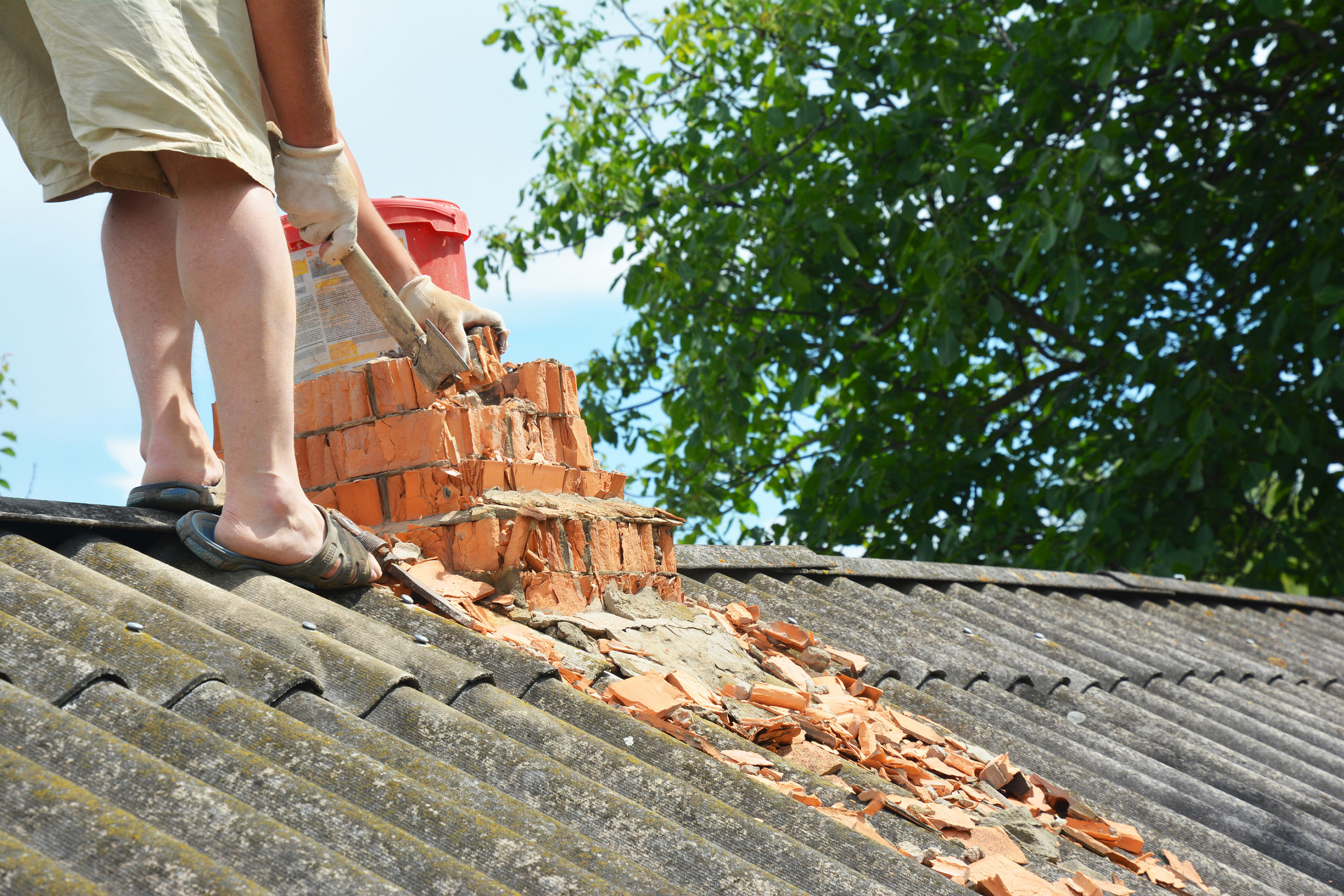
Chimney Masonry Repair

Chimney Crown Cracks

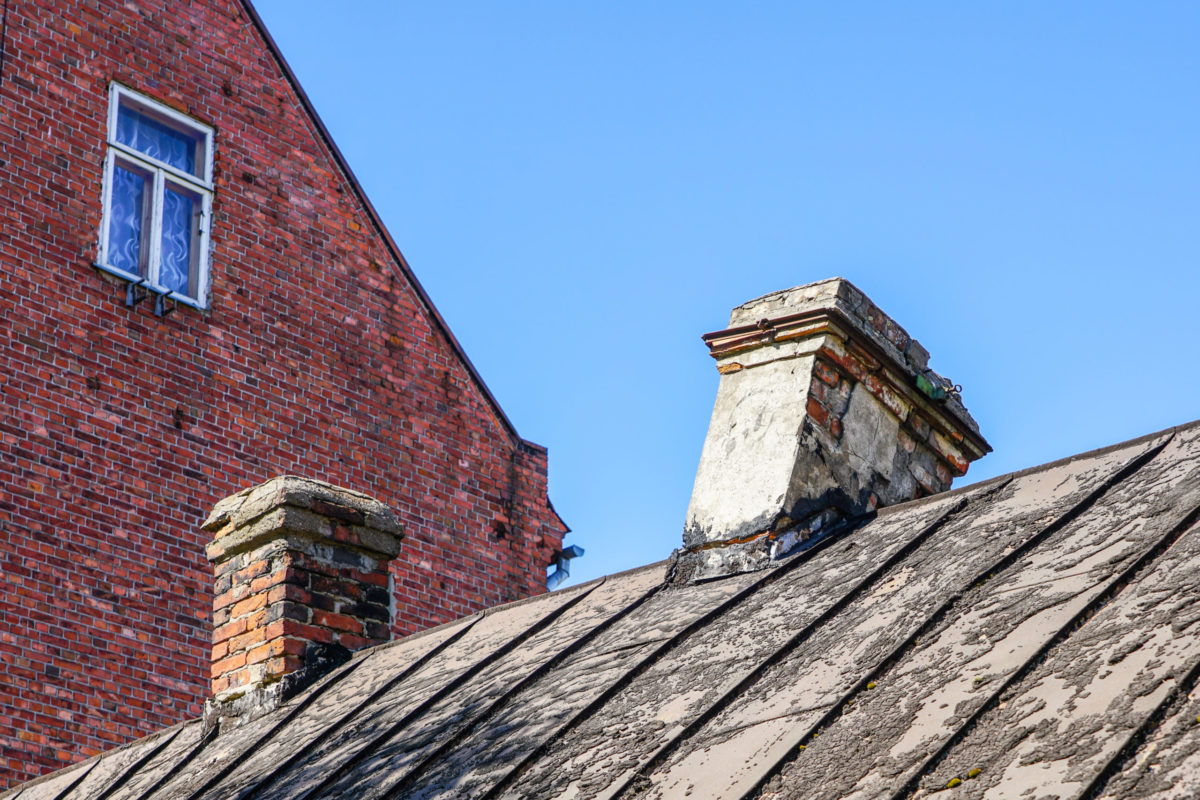
A chimney crown is the cement cap that sits atop the chimney. Its job is to prevent moisture from seeping into the chimney’s masonry where it is most vulnerable to the elements: at the top.

However, chimney crowns can crack over time due to age, weathering, or settling. Cracks in the chimney crown can allow water to seep into the chimney structure, leading to further deterioration. In climates reaching freezing temperatures, water entering the chimney can freeze and expand, causing the crown to crack even further.

What to Do About Crown Cracks?

The best way to repair chimney crown cracks is to have a professional chimney sweep or mason take a look at them. They will be able to determine the extent of the damage and recommend the best course of action. In some cases, the chimney crown may need to be rebuilt entirely.

Water Penetration

Another common problem with masonry chimneys is water penetration. Water can enter the chimney through cracks in the chimney crown, flue, or mortar joints. Once inside, the water can cause problems like rusting metal components and deteriorating masonry.

When water mixes with creosote – a tarlike substance that builds up on the chimney walls – it creates a corrosive acid that eats away at the chimney’s masonry. This can lead to even more severe problems like chimney collapse.

What to Do About Water Penetration?

Keep a regular chimney checkup schedule and ensure there is no place for water to seep into any section of the chimney or fireplace. If you find water leaks, have a professional chimney sweep or mason look at it as soon as possible. They will be able to determine the source of the leak and make recommendations for repairs.

Leaning Chimney

A leaning chimney is a cause for concern. It can be caused by many factors, including foundation settling, water damage, or poor construction. A leaning chimney can put your entire home at risk of chimney collapse.

What to Do About a Leaning Chimney?

If your chimney is leaning, it is structurally unsafe. It’s essential to have a professional chimney sweep or mason look at it as soon as possible. They will be able to determine the cause of the problem and make recommendations for repairs. In some cases, the chimney may need to be rebuilt entirely.

Damaged or Missing Mortar Joints

Mortar joints are the spaces between bricks, stones or clay flue liners in a masonry chimney. They are filled with mortar, which acts as glue to hold the chimney together. Over time, the mortar can become cracked, crumbled, or missing. This can leave the chimney vulnerable to water damage and collapse.

What to Do About Damaged or Missing Mortar Joints?

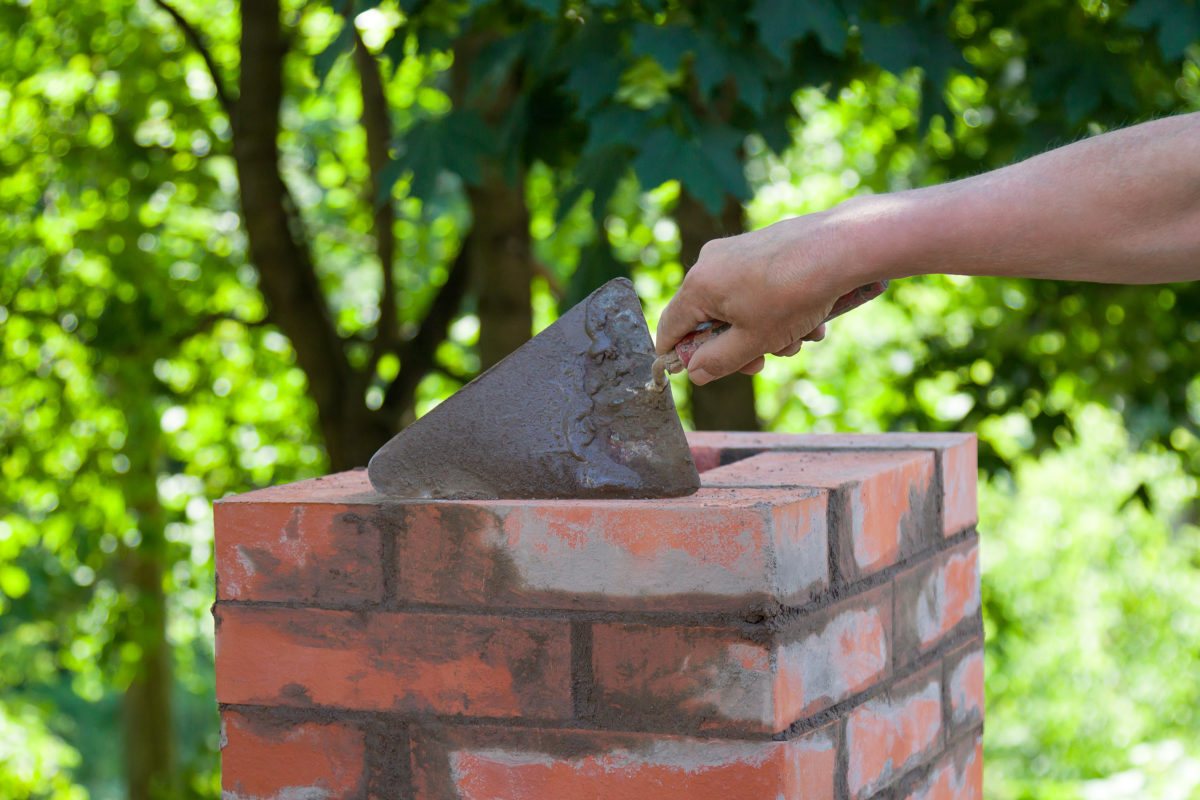
One of the most common repairs needed for a chimney is mortar replacement, also called tuckpointing. Tuckpointing joints back in are usually not complicated. Occasionally, extensive damage demands more comprehensive repairs, which may include reconstructing part or all of the chimney, but tuckpointing is a satisfactory repair for minor damages. As for all major repairs, it’s best to have a licensed chimney professional take a look.

Chimney Deterioration

Like any other structure, a chimney will eventually show wear and tear. Flue liner and smoke chamber damage, loosened brickwork, water damage, and mold are all common symptoms of chimney deterioration.

What to Do About Chimney Deterioration?

The best way to prevent chimney deterioration is to opt for an annual inspection by a certified chimney professional. Their specialized tools and knowledge will help them spot any potential problems so they can be fixed before they cause further damage. You can avoid serious problems down the road by being proactive and getting annual chimney inspections.

Easy Chimney Health Tips

Maintaining a chimney is much preferable to fixing a broken chimney. Here are a few easy tips to help you keep your chimney in good shape:

  • Have your chimney inspected and cleaned yearly by a certified chimney professional.
  • Repair any cracks or damage as soon as possible.
  • Make sure there is no place for water to seep into any section of the chimney.
  • Keep trees and bushes trimmed away from the chimney.
  • Never burn trash or wet wood in your fireplace.

These simple tips can help keep your chimney healthy and functioning correctly for years to come. If you have any concerns about your chimney, be sure to contact a professional chimney sweep or mason.

As you can see, you may need a variety of chimney masonry repair at some point. It’s essential to have a regular chimney checkup schedule to catch any problems early on. And if you do need repairs, it’s crucial to have a professional chimney sweep or mason take a look as soon as possible. With their help, you can keep your chimney healthy and functioning optimally for as long as possible!

Related Reading: Surprising Benefits of Chimney Sweep Services You Might Not Know About

Need Chimney Masonry Repair Help?

At The Irish Sweep, we always adhere to the highest safety standards. We are licensed and insured Bay Area chimney cleaners professionals who have been serving the area since 1982. If you need a chimney sweep, dryer vent cleaning, chimney masonry repair, or other home services, call us today! Schedule our chimney sweep services today to enjoy a safe fireplace and chimney all year long.

Surprising Benefits of Chimney Sweep Services You Might Not Know About

Chim chimney, chim chimney, chim chim cher-ee

A sweep is as lucky as lucky can be!

This nostalgic Mary Poppins song rings true – chimney sweep services are absolutely essential to the integrity and safety of your chimney. Lucky indeed!

Even if you’ve lived in a home for twenty years, the chimney is an often intimidating appliance to clean and maintain. Dealing with soot and tight spaces is enough to make anyone queasy.

But chimney sweeps (or chimney service companies) are trained professionals with the experience and know-how to get the job done quickly, efficiently, and without mess!

Here are some surprising benefits of chimney sweep services that you might not know about:

Chimney sweep services prevent chimney fires

In the U.S., there are over 25,000 chimney fires per year. These fires are responsible for over 125 million dollars in property damage.

A chimney fire can reach temperatures upwards of 2000 degrees Fahrenheit – hot enough to crack your chimney’s liner and ignite your house’s framing.

Yikes!

The most common cause of chimney fires is creosote buildup. Creosote is a tar-like substance that forms when wood burns. It’s black, sticky, and flammable.

How does creosote build up in a chimney?

When you burn wood, the smoke rises up the chimney. As the temperature of the chimney increases, the water vapor in the smoke condenses on the chimney walls. This leaves behind a sticky residue that is full of toxins and carcinogens.

Over time, this buildup gets thicker and thicker. If it’s not removed, it becomes a severe fire hazard.

How do chimney sweep services prevent creosote buildup and chimney fires?

Chimney sweeps are trained to identify and remove creosote buildup before it has a chance to ignite. They have specialized tools and equipment to do so – brushes, scrapers, and vacuums specifically designed for chimneys. Chimney professionals also know how to spot other potential fire hazards, like cracks in the chimney lining or blockages.

Chimney sweep services improve the efficiency of your fireplace

If your chimney is blocked by debris, it will affect how well your fireplace drafts.

How do chimneys create drafts?

When a chimney fills with hot gas, the gas rises because it is less dense than the air outside the house. The rising hot gas creates a pressure difference called draft, which draws combustion air into the appliance and expels the exhaust gas outside.

If something is blocking the chimney – like soot, creosote, or debris – it will impede the flow of hot air. This can cause many problems, like smoke spilling into your home, decreased heat output, and even a fire.

A chimney sweep will clear out any blockages in your chimney so that the hot air can escape quickly and easily. As a result, you’ll have a fireplace that works more efficiently and is less smoky.

A good chimney sweep will clear any blockages and ensure the flue is the correct size for your fireplace. They’ll also check for any cracks or leaks and repair them as needed.

As a result, you’ll see a decrease in your energy bills and have fewer issues with smoke in your home.

chimney sweep services

Chimney sweep services keep your family safe from carbon monoxide poisoning

Carbon monoxide (CO) is an odorless, colorless gas produced whenever fuel is burned. CO blends into the existing air, can’t be heard, felt, seen, or tasted, and can be lethal without a device to detect it.

If your chimney is blocked or damaged, CO from your gas fireplace can leak into your home and poison the people and animals inside.

What are the signs of a carbon monoxide leak in a gas fireplace?

  • Soot, smoke, fumes, or back-draft in the house from a chimney, fireplace, or other fuel-burning equipment
  • Sooty or brownish-yellow stains around the fireplace
  • You smell a faint, “rotten egg” odor. Though CO is odorless, sometimes it is accompanied by other exhaust gases you can smell
  • A yellow pilot light flame instead of the usual clear blue

Symptoms of carbon monoxide inhalation are similar to the flu and can include:

  • Headache
  • Dizziness
  • Nausea or vomiting
  • Shortness of breath
  • Fatigue or confusion

If you experience these symptoms and suspect a CO leak, get out of your house immediately and call 911. Then, open all the doors and windows to air out your home.

How can chimney sweep services help?

A chimney sweep will inspect your chimney for any damage that could be causing a CO leak. They’ll make sure the chimney is clear of debris and adequately vented. If they find any cracks or leaks, they’ll repair them so you can use your fireplace safely.

A properly functioning chimney is essential for preventing CO poisoning. A chimney sweep can ensure yours is up to code and working properly.

They can also install CO monitors in your home, which will sound an alarm if dangerous levels of CO are detected.

Chimney sweeps can save you money on your energy bills

If your chimney is blocked, it can’t do its job of venting hot air out of your home.

This can cause your furnace or fireplace to work overtime, driving up your energy bills.

How can chimney sweep services help save money?

  1. A chimney sweep will clear any blockages in your chimney so that hot air can escape and your furnace doesn’t have to work as hard.
  2. Regularly sweeping ashes from the firebox also allows more oxygen to circulate, making fires hotter. This means you can use less wood to achieve the same heat level, saving you money in the long run. According to the U.S. Department of Energy, even as little as one-tenth of an inch of soot can decrease a fire’s heat output by 50%.
  3. A chimney sweep can also inspect your chimney and ensure it’s the correct size for your fireplace. If it’s too small, they can recommend ways to enlarge it. This will help your fireplace work more efficiently and save you money on your energy bills.
  4. A chimney sweep can fill cracks and fissures in your chimney, which could otherwise allow carbon monoxide and outside air to seep into your home. Filling these cracks makes your chimney more energy efficient.

These simple chimney maintenance tasks can save you a lot of money in the long run.

Chimney sweeps can extend the life of your chimney

Your chimney is constantly exposed to rain, wind, and sun elements. Over time, this exposure can take its toll on your chimney, causing it to crack or crumble.

Chimney sweeps inspect your chimney for damage and make all necessary repairs.

They can also apply a waterproof sealant to your chimney to help protect it from the elements.

Investing in chimney sweep services can extend your chimney’s life and avoid costly repairs down the road. A well-maintained chimney can last for decades, but a neglected chimney will need to be replaced much sooner.

Chimney sweeps remove bird nests and other animals from chimneys

Birds, squirrels, raccoons, and other animals often take up residence in chimneys. They build nests that can block the chimney and prevent airflow. In some cases, animals may even die in the chimney, which is generally unpleasant and leads to foul odors.

A chimney sweep will safely remove any animals or nests from your chimney so you can use your fireplace without worry. They can also install a chimney cap, which will keep animals out in the future.

Related Reading: How Often Do You Need a Chimney Cleaner/Sweep?

Let Bay Area Chimney Cleaners Help

At The Irish Sweep, we always adhere to the highest safety standards. We are licensed and insured Bay Area chimney cleaners professionals who have been serving the area since 1982. If you need a chimney sweep, dryer vent cleaning, or other home services, give us a call today! Schedule our chimney sweep services today to enjoy a safe fireplace and chimney all year long. 
Why Consider Chimney Height Reduction?

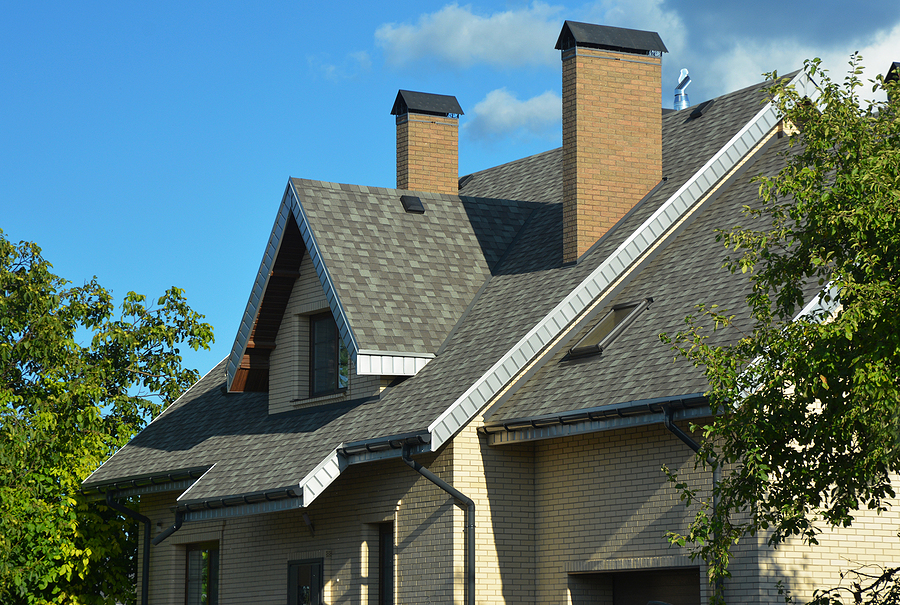
Have you ever seen a really tall chimney column that just stands out in the neighborhood? We see them all the time and wonder if the residents are aware of their potential hazard.  Did you know that the section from the roof to the top of the chimney can frequently be reduced in
height?

Potential Collapse Hazard

A taller chimney that is not reinforced is a potential collapse hazard in general, especially when living in high wind areas or earthquake country. With concerns particularly around seismic liability, efficiency, and fire safety.

Inefficient Chimneys

In general, an inefficient chimney can cause several problems and sometimes it is better to just get it removed or reduced in height. The Irish Sweep are experts in this area and have been spending many working days assisting their customers in chimney height reduction goals.

Reasons for Chimney Height Reduction

  1. Prior to installing a gas burning fireplace insert.  This is a perfect time to reduce the height as it isn’t required for proper performance.
  2. Potential collapse hazard and seismic liability concerns. Especially if the chimney could collapse into a bedroom, frequently used living spaces and even where a car is parked in the garage or driveway.
  3. Reclaim space. If the chimney is interior to the home, customers sometimes want to reclaim the space in their house particularly if going through a remodel.
  4. Expert recommendation. If a structural engineer or similar profession deems this to be important.

Crazy Chimney Sweep Tactics We’ve Really Seen

It’s always interesting to see the different tactics that chimney sweeps use in order to try and get business. Over the last four decades in service, our experienced chimney cleaners at The Irish Sweep have seen it all – from the absurd to the downright dangerous. In this blog post, we’ll outline the crazy chimney sweep tactics we’ve really seen, plus the things that can go wrong in a home when you don’t work with an experienced chimney cleaners.

Unorthodox Chimney Inspections

When we perform a professional chimney inspection, we do a photographic, documented camera inspection for our clients’ security and records. As experts, we know that the condition of the inside of a chimney can often be very different than what the naked eye can see from the outside – and it has serious implications for the safety of a home. After all:

  • Chimneys with blockages can contribute to poor indoor air quality or carbon monoxide poisoning.
  • Creosote buildup can increase the risk of chimney fires and house fires.
  • Structural damage within a chimney can put it at risk of collapsing at any time, particularly in the event of an earthquake.

Many times on the job, however, we’ve encountered chimney cleaners using a very different approach.

“I’ll Just Use My Phone”

A standard iPhone camera cannot capture the same level of detail as a professional-grade inspection camera, but that didn’t stop this chimney sweep. Rather than using a high-image-quality camera to inspect the chimney’s interior, we observed this chimney sweep dangling an iPhone down the chimney to get a look.

Needless to say, this was a major red flag for us. We knew that this chimney sweep would not be able to provide our clients with the level of detail and documentation that we could – and of course, we were concerned about the safety of their phone!

“X-Ray Vision”

Once, a member of our team heard a customer say the other “inspector” was able to see everything they needed regarding the chimney with their eyes. Needless to say, this is not a safe or reliable practice for inspecting a chimney!

While it might be tempting to try and save a few bucks by working with a less-than-professional chimney sweep, it’s simply not worth the risk. 

“I Can’t See it, But it Looks Great”

We have also heard from clients that a company performed a chimney inspection prior to cleaning the chimney. Of course, if a chimney is dirty, there will not be much to inspect – the clay flue liners and their related mortar joints will likely be covered in creosote and fly ash.

We always clean a chimney before inspecting it. This is the only way to get an accurate sense of what – if any – repair work may be needed.

“Under The Table”

Unfortunately, there are some unlicensed and inexperienced individuals who will try to do side work “under the table.” This is not only dangerous, but it’s also illegal.

In California, if someone isn’t licensed, then they can’t perform any repairs needed to make a chimney safe to operate. They must also be a licensed contractor to perform work over the amount of $600.00 for time and material.

Choose Chimney Cleaners that Care

At The Irish Sweep, we always adhere to the highest safety standards. We are licensed and insured chimney cleaners professionals who have been serving the area since 1982. If you’re in need of a chimney sweep, dryer vent cleaning, or other home services, don’t hesitate to contact us! We’ll be happy to provide you with a free estimate.

What Is Stage 3 Creosote and How Do You Deal With It?

A dirty chimney is the leading cause of chimney fires! In this article, we will discuss what leads to stage 3 creosote and how to deal with it.

Creosote is a toxic byproduct of burning wood. The black, tarry substance can build up in your chimney over time, and not only is it corrosive and damaging to the flue liner, but it also presents a serious fire hazard.

What is Creosote and How Does it Build Up?

Creosote is a substance that develops as the byproducts of burning wood adhere to the inside of your chimney. The byproducts, including smoke, water vapor, gasses, particles of burned wood and tar fog, rise up the chimney as you burn your firewood. When they reach the cooler parts of the chimney, they rapidly cool and condense on top of each other until they form a black sticky substance known as creosote.

Stage 1 Creosote

The early stages of creosote buildup usually indicate that your chimney has not been cleaned in some time. This type of creosote is dusty, flaky, and relatively easy to remove with a chimney sweep.

Stage 2 Creosote

Stage 2 creosote is harder and blacker than stage 1. It is more difficult to remove, but must be dealt with before it progresses to stage 3.

Stage 3 Creosote

Stage 3 creosote is the most severe stage. It is more concentrated, tarry, and far more likely to cause chimney fires. Creosote also restricts air movement within the chimney and blocks parts of the air column. Surprisingly, this stage can develop in a single burning season, and should only be removed by a licensed chimney sweep, using specialized equipment.

Why is Creosote Buildup So Dangerous?

The biggest danger of stage 3 creosote is that it can cause chimney fires. When the buildup ignites, it burns very hot and may spread to other areas if not quickly contained. In addition, stage III creosote will damage or destroy your flue liner as well as the masonry within the chimney system.

What Can You Do to Prevent Creosote Buildup?

The best way to prevent creosote buildup is to have your chimney cleaned on a regular basis. Depending on the size of your fireplace, you should have it swept at least once a year. A good rule of thumb is to schedule a cleaning after 75 fires, or one cord of wood. Also, make sure you are using seasoned wood in your fireplace—freshly-cut wood contains a lot more moisture and causes more creosote buildup.

If it has been a while since you last had your chimney cleaned, contact us today to set up an appointment with one of our CSIA-certified technicians!

Here’s What to Do if You Have Stage 3 Creosote

If you have stage III creosote, do not attempt to clean it yourself. Contact a licensed chimney sweep and schedule an appointment for professional cleaning. The Irish sweep will use specialized equipment to remove the creosote buildup and restore your chimney to a safe condition.

For more information on stage III creosote or any other type of fireplace or chimney service, give us a call at 510.521.4088

Is Your Chimney Earthquake Safe? Moraga Chimney Cleaner Can Help

The recent earthquake in California has made many homeowners aware of the seismic safety risks associated with their chimneys. As your local Moraga chimney cleaner, we want to share our expertise in earthquake chimney safety.

One of the most common types of damage during an earthquake is when your chimney collapses or breaks and falls on the roof, or the ground. When this happens, there are many potential injuries that could result from falling bricks and stones, not to mention the structural damage to your home. Are cars parked under the chimney? Is there a children’s play area? There’s a real risk that someone could be seriously injured by falling bricks.

This blog post will cover what you need to know about protecting your home from this type of disaster – and how a chimney sweep professional service can help. 

Earthquakes Cause Extended Damage to California Chimneys

Newspapers as far back as the 1660s reported on fallen chimneys after an earthquake. It’s not just a historical problem: in California, where the majority of the housing stock was built before the 1950s, unstable chimneys continue to cause problems. Many chimneys are built of unreinforced brick or stone, which means that they do not have reinforcing metal installed in the chimney. This makes them more susceptible to falling apart when they become stressed under the force of an earthquake. 

How to Identify If Your Chimney May be a Hazard

The best thing you can do to protect your home and family is to conduct a cursory inspection yourself. You can do this by checking the following:

  • Do you see any evidence of movement over time, such as spalling brick and crumbling mortar joints? If so, it’s likely that other structural damage has occurred.
  • Are there cracks or other damage visible on the exterior walls of your chimney?
  • Is your chimney leaning or bowing from wind, rain and sun?

Ask An Expert: 

  • If the chimney is made of brick or stone, is it reinforced?
  • Is the chimney cap and flashing in good condition and properly installed?

Consult a Moraga Chimney Cleaner for Earthquake Chimney Safety

If you’re not sure whether your chimney is safe, it’s best to consult with a professional. At The Irish Sweep, we can conduct an inspection to identify any potential hazards and take steps to mitigate them. We offer comprehensive chimney safety services that will ensure your home is protected during an earthquake. Proudly serving Moraga and surrounding areas for over 40 years, we’ve seen it all and gladly offer our services to you.  

After an Earthquake: Dealing with Damage

If you’re finding this article after your chimney has already been damaged by an earthquake or other means, there are a few things you should know.

  1. First of all, if your chimney is still standing but has been damaged, it needs to be repaired as soon as possible by a professional Moraga chimney cleaner who specializes in earthquake damage repair. A crack can only get larger over time and leave your home vulnerable to future damage.
  2. If your chimney has completely collapsed, you will need to have it rebuilt – and again, it’s best to hire a professional who understands the risks associated with rebuilding in an earthquake zone.
  3. Finally, if you’re living in a home with a damaged or collapsed chimney, be sure to keep a close eye on any potential fire hazards while you get it repaired.

Talk to Moraga Chimney Cleaner

We hope this article provides some useful information about earthquake chimney safety. If you have any further questions, please don’t hesitate to contact us at The Irish Sweep! We’re always here to help.  Give us a call at 510-521-4088!

Contact our Moraga chimney cleaner experts for earthquake damage today!

 Our services let you enjoy your chimney safely! 


© Copyrights 2026 The Irish Sweep All Rights Reserved.