
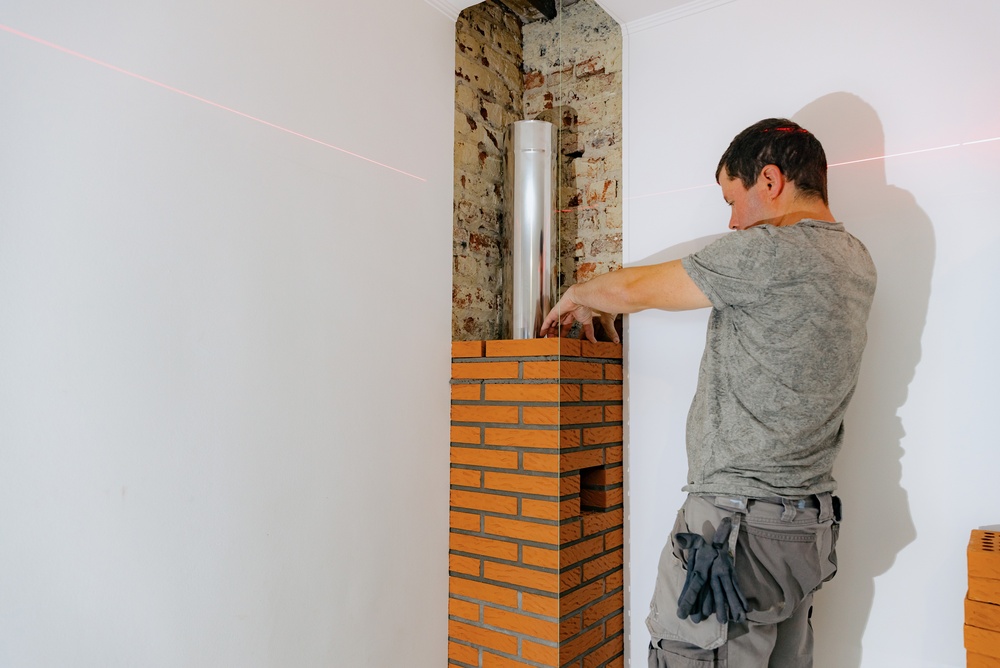
Summer feels like the last time you’d think about your fireplace, but that’s exactly why it’s the right time to give it attention. When your chimney sits unused, small issues have space to grow without you noticing. A solid chimney inspection guide can help you get ahead of repairs before colder weather creeps back in. It’s easier, faster, and far less stressful to handle it now than during peak season.
Why Summer Is Ideal For A Chimney Inspection Guide
When the fireplace is off duty, inspections become simpler and more thorough. There’s no ash buildup from recent fires, no rush to get things working again, and no pressure from dropping temperatures. You can take your time and address concerns properly.
Summer also gives you more scheduling freedom. Fall tends to fill up quickly with last-minute inspection requests, which means longer wait times and tighter appointment windows. Getting ahead of that rush puts you in control.
There’s also a practical side. Heat and dry conditions make it easier to spot structural changes in masonry. Cracks, loose mortar, or signs of wear often stand out more clearly when everything is dry and exposed to sunlight. That makes a chimney inspection guide far more effective when used during this season.
What A Chimney Inspection Guide Covers
A proper chimney inspection is not just a quick glance inside. It’s a detailed look at every component that keeps your fireplace working safely. This includes the flue, liner, crown, cap, and surrounding structure.
During an inspection, we look for buildup like creosote, which can become a fire risk over time. Even if you didn’t use your fireplace heavily last winter, residue can still collect in ways that aren’t obvious. A chimney inspection guide helps identify these hidden issues before they become expensive problems.
We also check for blockages. Birds, leaves, and debris tend to gather when chimneys sit unused. It’s not uncommon to find nests tucked inside, especially during spring. Clearing these out early keeps airflow smooth and prevents smoke from backing up into your home. You can explore the full scope of what we offer through our services to see how each part of the process is handled.
Signs You Should Not Ignore
Even in summer, your chimney can give you hints that something’s off. You might notice a faint smoky smell inside your home, especially on warm days. That odor often points to creosote buildup or poor ventilation.
Another common sign is visible cracking around the chimney exterior. Heat, moisture, and time can wear down masonry, and small cracks can turn into bigger structural concerns if left alone.
Water stains near your fireplace or chimney walls also deserve attention. These usually indicate moisture intrusion, which can weaken the structure and lead to mold growth. A reliable chimney inspection guide helps connect these signs to their root causes so they don’t get brushed off.
What Happens During An Inspection
A standard inspection follows a structured process to make sure nothing gets missed. While every home is different, most inspections include:
- Visual check of the chimney exterior, including bricks and mortar
- Interior flue examination for buildup, cracks, or blockages
- Inspection of the chimney cap and crown for damage or wear
- Smoke test to confirm proper ventilation
- Assessment of flashing and seals to spot water entry points
This step-by-step approach keeps the chimney inspection guide practical and easy to follow. It’s not about overcomplicating things, it’s about making sure your system is safe and ready when you need it again. If you want a deeper look at our process, take a look at our best chimney services for more detail.
The Cost Of Waiting Too Long
Putting off an inspection might seem harmless in summer, but small issues rarely stay small. A minor crack can widen, moisture can spread, and debris can pile up without warning.
By the time fall rolls around, what could have been a quick fix might turn into a more involved repair. That often means higher costs, more downtime, and added stress right when you want your fireplace ready to go.
Following a chimney inspection guide early in the year keeps surprises to a minimum. It’s a simple step that protects both your home and your peace of mind.
Chimney Inspection Guide For Long Term Care
Think of your chimney like any other part of your home that needs routine attention. You wouldn’t skip servicing your HVAC system for years, and your chimney deserves the same level of care.
Regular inspections extend the life of your chimney and help maintain efficiency. When everything is clean and functioning properly, your fireplace burns better and produces less smoke and residue.
It also helps preserve the look of your home. A well-maintained chimney adds character, while a neglected one can quickly become an eyesore. If you’d like to get familiar with who we are and how we approach our work, visit our about us page.
Real Experiences Matter
There’s something reassuring about hearing from homeowners who’ve already gone through the process. Many people don’t think about their chimney until there’s a problem, but once they schedule an inspection, they realize how much they’ve been overlooking.
From clearing out unexpected blockages to catching early signs of damage, these inspections often uncover things that would have gone unnoticed. You can read through real feedback from customers on our testimonials page to see how these services have helped others stay ahead of issues.
FAQs
How Often Should I Follow A Chimney Inspection Guide?
Most homes benefit from an annual inspection. Even if your fireplace sees limited use, a yearly check keeps everything in good shape and catches problems early.
Can I Inspect My Chimney Myself?
You can spot obvious issues like visible cracks or debris, but a full inspection requires tools and experience. A chimney inspection guide works best when paired with a professional evaluation.
What Is Creosote And Why Does It Matter?
Creosote is a residue left behind by burning wood. It builds up inside the flue and can become a fire hazard if it thickens over time.
How Long Does An Inspection Take?
Most inspections take about 45 minutes to an hour, depending on the condition and size of the chimney.
Is Summer Really Better Than Fall?
Yes, summer offers more availability and less urgency. It also gives you time to handle any repairs without rushing before colder weather.
What If My Chimney Has Not Been Checked In Years?
It’s still worth scheduling an inspection. A chimney inspection guide helps identify where things stand and what steps to take next.
Call Now, Relax This Winter
If your chimney has been out of sight and out of mind, now’s the perfect time to change that. Our team at Irish Sweep is ready to help you stay ahead of issues and keep your home safe. Reach out through our contact us page or call 510-521-4088 today to get your inspection on the schedule.